In July, PESA brought a refreshing emphasis on practical geological interpretation to its technical program, hosting a series of workshops and lectures led by internationally recognised sedimentologist Dr Boyan Vakarelov, founder of SEDBASE.
Across Western Australia, South Australia and Queensland, participants were given the opportunity to move beyond traditional presentation-based technical training and work directly with core, depositional analogues, conceptual models and forward stratigraphic modelling. The result was a highly practical exploration of how geoscientists can improve their understanding of the subsurface — particularly where seismic resolution and well control leave significant uncertainty.
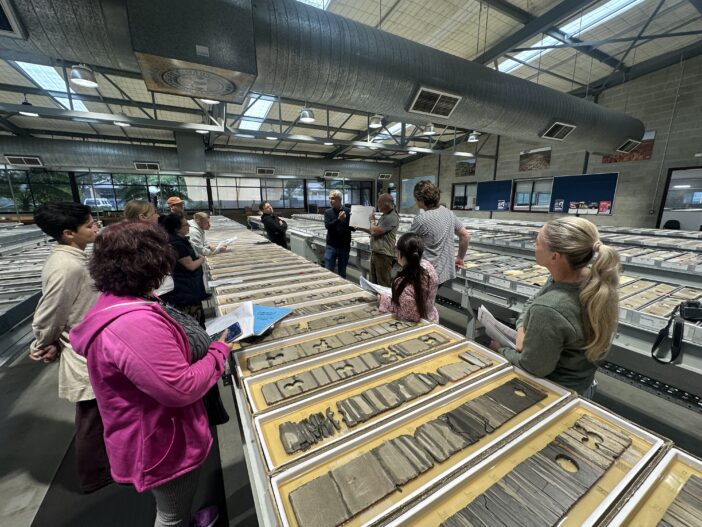
Vakarelov’s program centred on the theme “Interpreting Three-Dimensional Fluvial and Shoreline Architecture from Core, Depositional Analogues, and Forward Stratigraphic Models.” The workshops combined lectures with hands-on examination of Permian and Mesozoic cores, allowing participants to connect observations at the core scale with the larger three-dimensional architecture of depositional systems.
Bringing the program to different parts of Australia
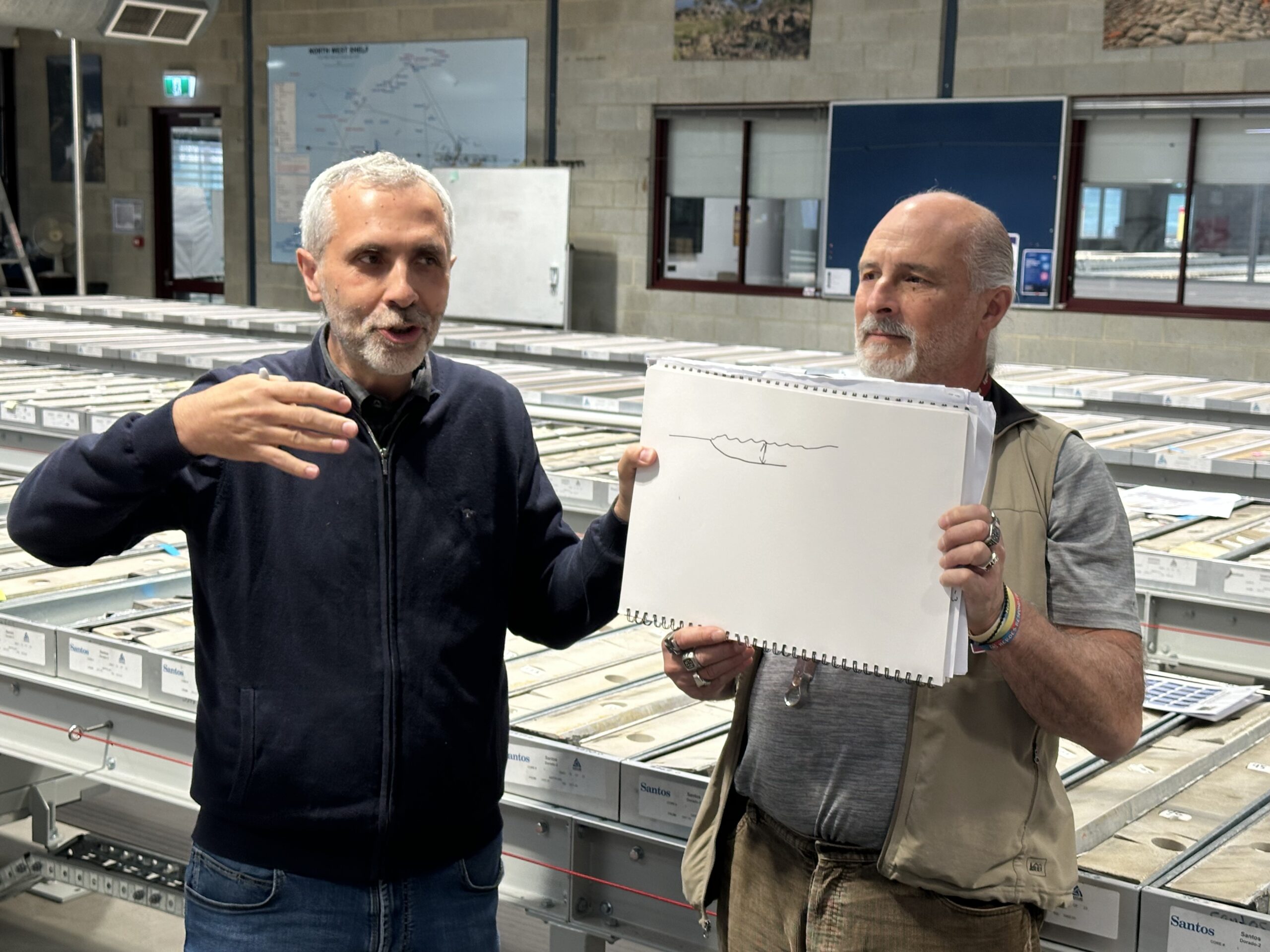
In Western Australia, PESA hosted the two-day workshop at the Perth Core Library on 16–17 July, combining the expertise of Vakarelov and Simon Lang with hands-on examination of selected Permian and Mesozoic cores. An evening lecture was also held for those not able to spare the time for the full workshop.
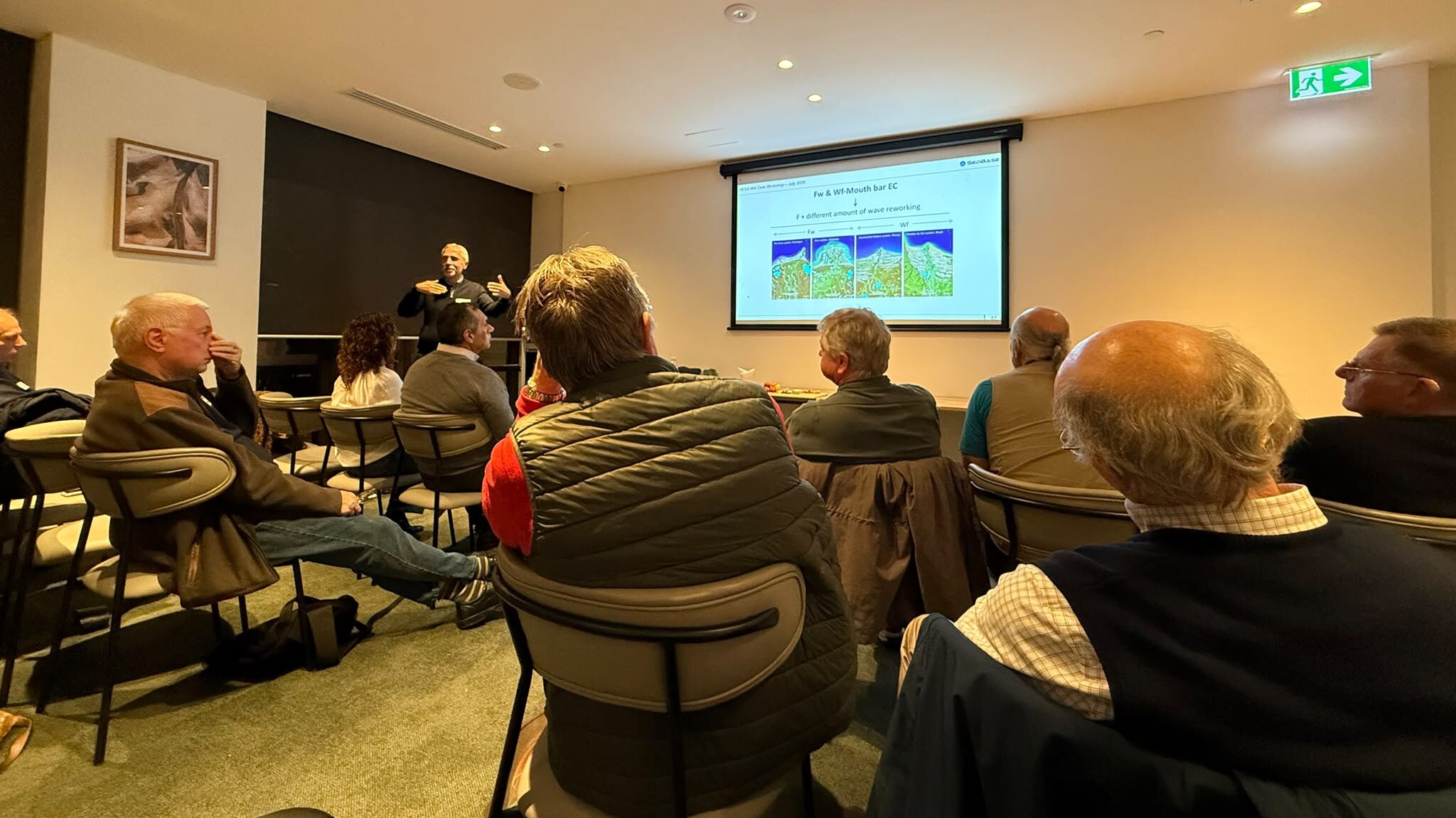
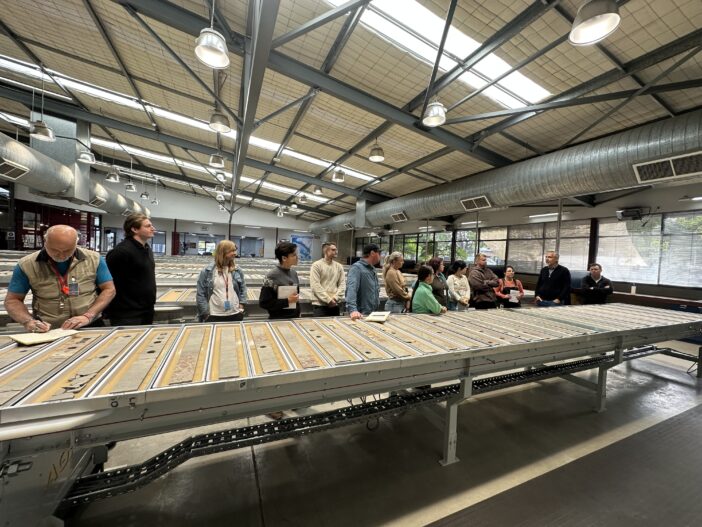
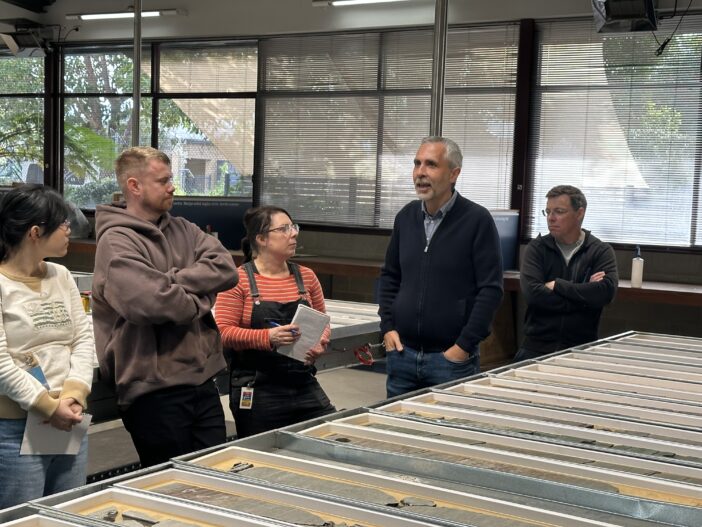
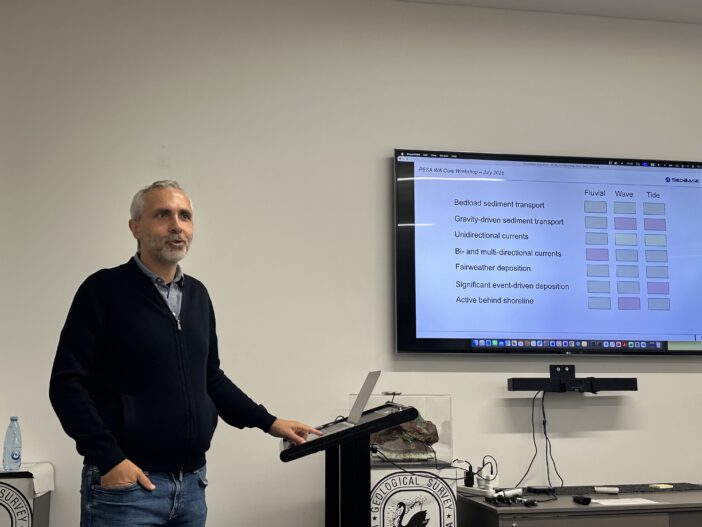
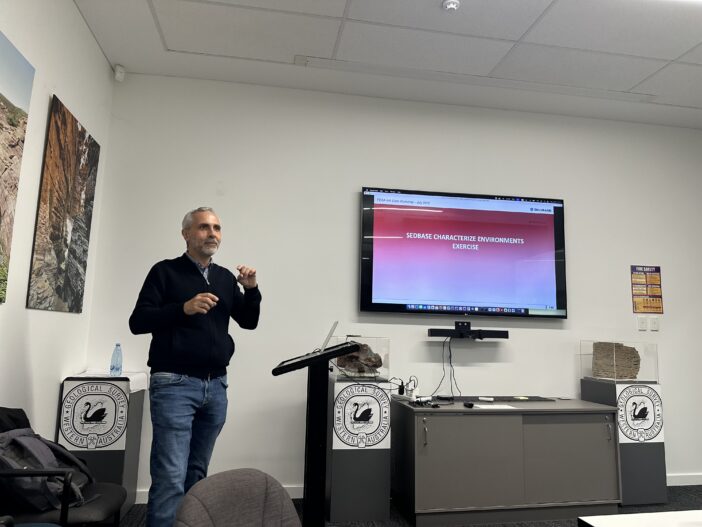
The program then moved to South Australia, where a two-day workshop was held on 27–28 July, followed by an evening technical presentation on reducing sub-seismic uncertainty through depositional analogues and synthetic data.
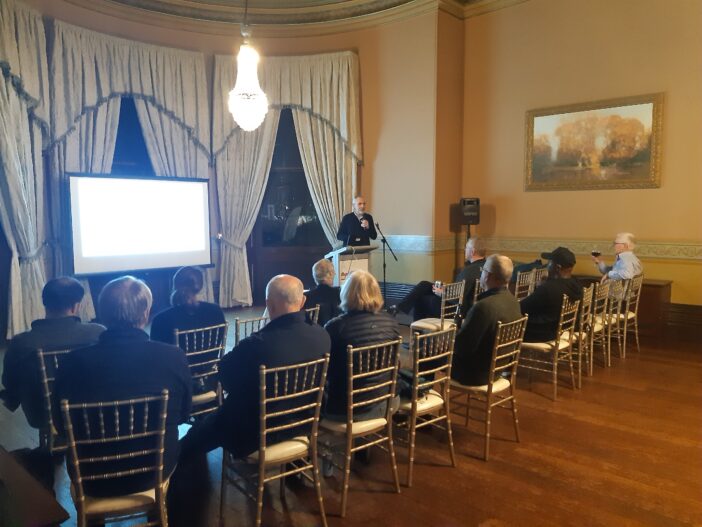
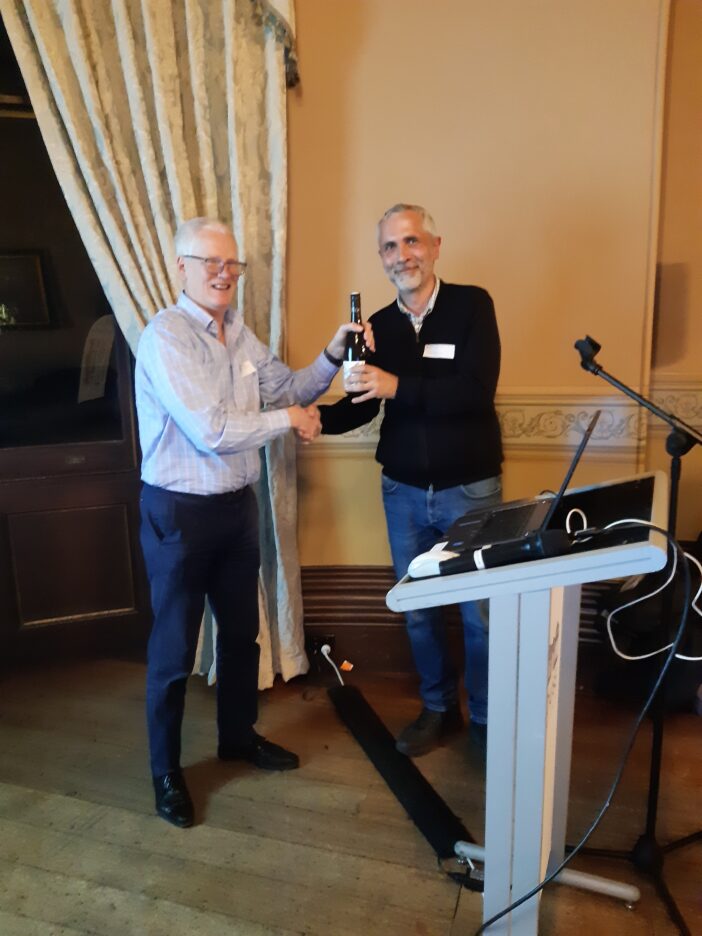
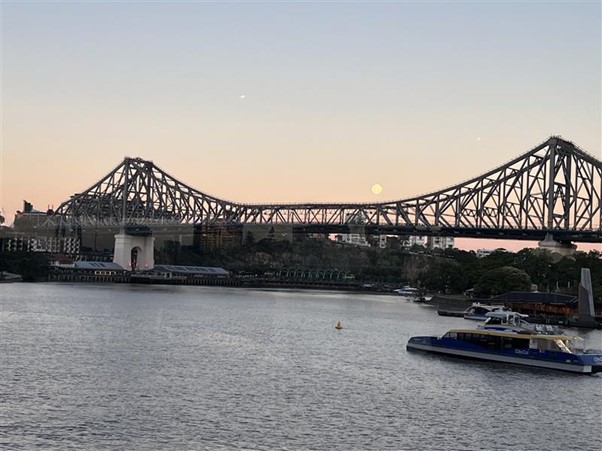
In Queensland, participants examined the Taroom Trough and Bowen Basin through another two-day core workshop on 29–30 July. The program was followed by a technical evening in Brisbane, giving participants an opportunity to explore the broader implications of the workshop material.
This combination of hands-on training followed by technical discussion is particularly effective. It allows participants to first experience the geological problem themselves before stepping back to consider how the concepts can be applied more broadly.
Why practical training matters
For an industry facing increasingly complex subsurface challenges, this style of training has significant value.
Digital technology, machine learning, automation and high-performance computing are transforming the way geoscientists work. But better technology does not necessarily mean better geological predictions. The quality of the answer remains dependent on the quality of the geological concepts used to constrain the interpretation.
Practical training with core and outcrop provides something that cannot be replicated entirely on a computer screen: the opportunity to see, touch and interrogate the physical evidence.
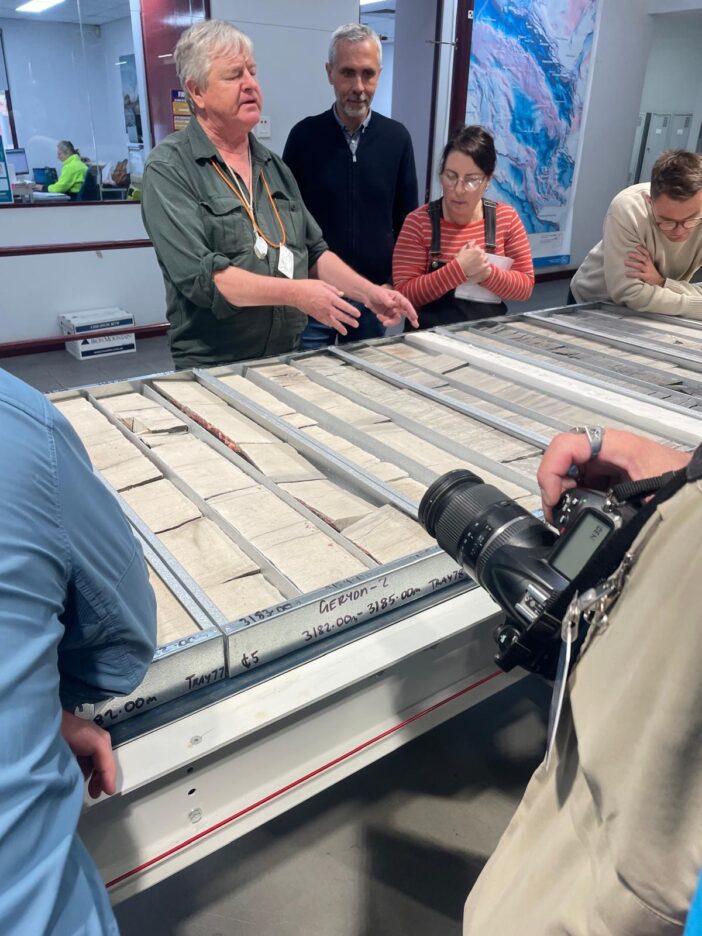
It also creates an environment in which experienced geoscientists, younger professionals and students can discuss geological interpretations together. Those conversations are an important part of professional development and knowledge transfer, particularly at a time when much of the industry’s accumulated geological experience risks being lost through generational change.
For younger geoscientists in particular, learning how to move from a core observation to a depositional process, from a depositional process to an architectural model, and from that model to a subsurface prediction is a valuable skill that crosses disciplines.
Taking geology off the screen
Participants were encouraged to examine sedimentary structures, ichnology and facies relationships in core and use these observations to interpret the depositional processes responsible for them. Rather than simply assigning a facies or environment to an interval, the approach asks a more fundamental question: what processes created the rocks we are looking at, and what does that tell us about the rocks we cannot see?
This is an important distinction. Subsurface interpretation can easily become dominated by seismic sections, well logs and increasingly sophisticated digital workflows. These tools are essential, but they do not remove geological uncertainty. In many reservoirs, the features that control connectivity and fluid flow occur below seismic resolution or between widely spaced wells.
Vakarelov’s approach puts geological process understanding back at the centre of the interpretation.
From two dimensions to three
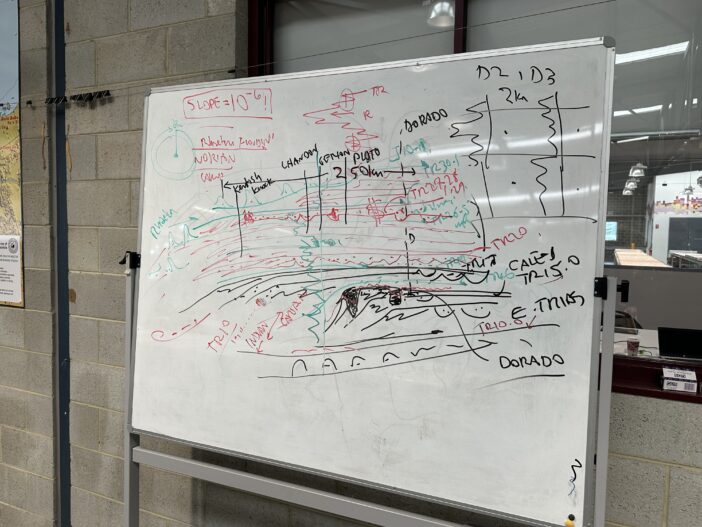
A core provides a remarkably detailed but essentially one-dimensional sample of the subsurface. The challenge for the geoscientist is to use that limited observation to develop a realistic picture of the geology away from the well.
The workshops explored how depositional systems can be understood hierarchically, with geological questions addressed at the appropriate architectural scale. Participants considered how different fluvial and shallow-marine processes generate different three-dimensional geometries — and, importantly, how those geometries can influence reservoir connectivity and fluid flow.
This provides a valuable bridge between sedimentology and reservoir characterisation. Instead of treating geological interpretation as simply describing what is present, participants were encouraged to consider the range of geologically plausible architectures that could exist between wells.
Learning from natural analogues.
Natural systems provide an enormous database of geological possibilities. Modern environments, outcrops and well-characterised ancient deposits can all help geoscientists understand how particular depositional processes translate into three-dimensional rock architecture.
The SEDBASE platform used during the workshops provides access to analogue information and digital tools designed to help geoscientists manage this uncertainty. Participants were able to connect observations from the physical core with analogue datasets and three-dimensional conceptual models.
This is particularly valuable because an analogue should not simply be used to find a geological system that “looks like” the target. The more useful question is which aspects of the analogue are appropriate for the geological problem being addressed?
From concepts to predictive models
The workshops also demonstrated how forward stratigraphic models can help test geological interpretations.
Rather than using modelling simply to produce an attractive three-dimensional image, the approach uses models to explore whether a proposed depositional system can actually generate the observed geological relationships.
This creates a useful feedback loop:
observe → interpret → model → test → refine.
That process can help expose assumptions that may otherwise remain hidden in a static geological model.
The value is particularly clear when dealing with sub-seismic uncertainty. In his associated technical lectures, Vakarelov argued for a geology-first approach, where depositional variability is constrained by process understanding and natural analogues, while still allowing multiple geologically valid solutions to be considered.
Building better geological predictions
Perhaps the biggest lesson from the series is that uncertainty cannot simply be modelled away.
Instead, it needs to be understood.
The practical approach demonstrated by Vakarelov encourages geoscientists to recognise uncertainty, identify its geological causes and use observations, analogues and modelling to constrain the range of possible outcomes. That philosophy is highly relevant not only to conventional oil and gas exploration and development, but also to CCS, geothermal energy, groundwater and other subsurface applications where understanding reservoir architecture and connectivity is critical.
PESA’s decision to bring this style of training directly to the core libraries and geoscience communities across Australia demonstrates the continuing value of practical, applied geoscience.
In an increasingly digital industry, there is a strong case for getting geoscientists back to the rocks — not instead of using sophisticated digital tools, but to ensure those tools are grounded in sound geological understanding.
That combination of physical evidence, geological process, analogue knowledge and digital modelling is ultimately what gives geoscientists the best chance of making better predictions about the subsurface.
And that is exactly the kind of practical, transferable knowledge that the PESA–Vakarelov workshop series set out to deliver
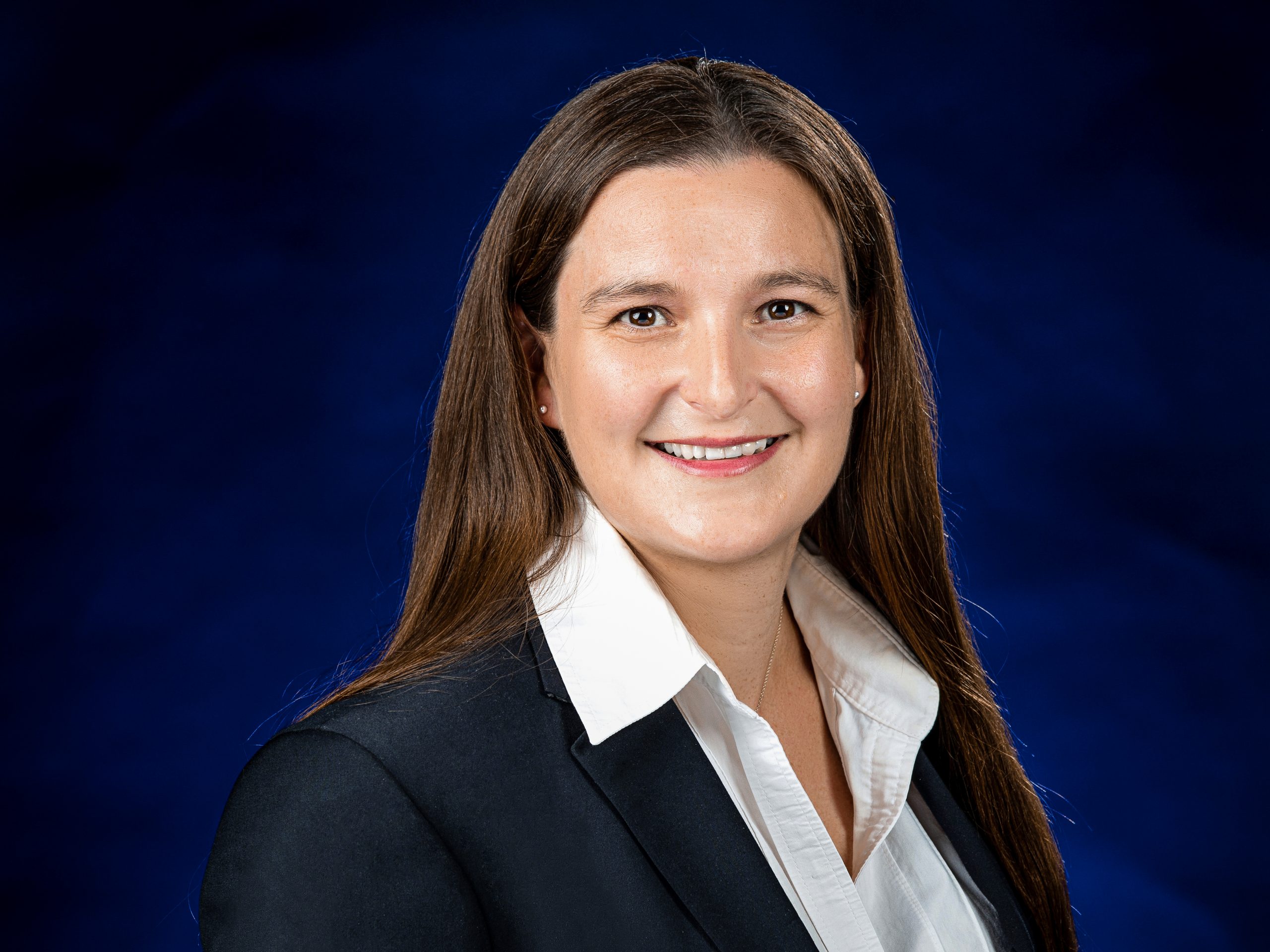
Boyan Vakarelov
Boyan Vakarelov is the founder of SEDBASE, a cloud-based platform that helps geoscientists manage subsurface uncertainty using depositional analogues, dimensional datasets, and integrated decision-support tools. Building better geological predictions
An internationally recognised expert in shallow-marine sedimentology and sequence stratigraphy, Boyan brings more than 20 years of applied research and industry-focused experience. His work focuses on linking depositional process understanding to improved subsurface prediction in data-limited settings across various hierarchical scales.
Boyan uniquely combines deep geological domain expertise with hands-on software, database, and web product development experience, bridging the gap between traditional sedimentology and building digital-based solutions. Boyan previously held research and teaching positions at the University of Adelaide. He holds a PhD from the University of Texas at Dallas and a BSc from the University of Toronto.