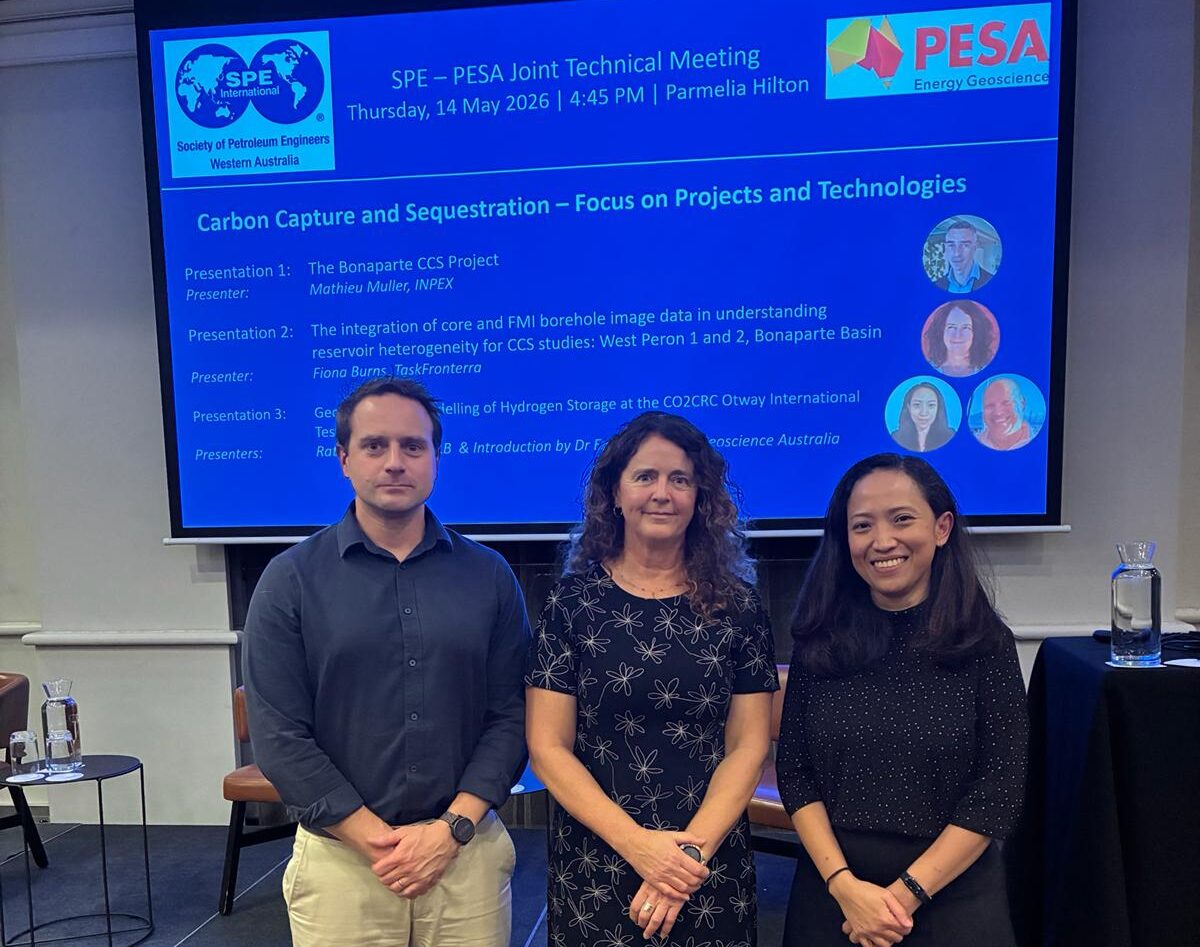
Mathieu Muller (CCS and Gas Supply Manager at INPEX Australia), Paul Froydenlund (Senior CCS Geoscientist at INPEX Australia), Dr Fiona Burns (Perth/APAC Manager at Task Fronterra Geoscience and PESA WA President), Ratih Puspitasari (Senior Geomechanics Engineer at SLB in Australia) and Dr Eric Tenthorey (Senior Researcher at Geoscience Australia) all presented at this special annual joint PESA-SPE event held at the Hilton on the evening of the 14th May.
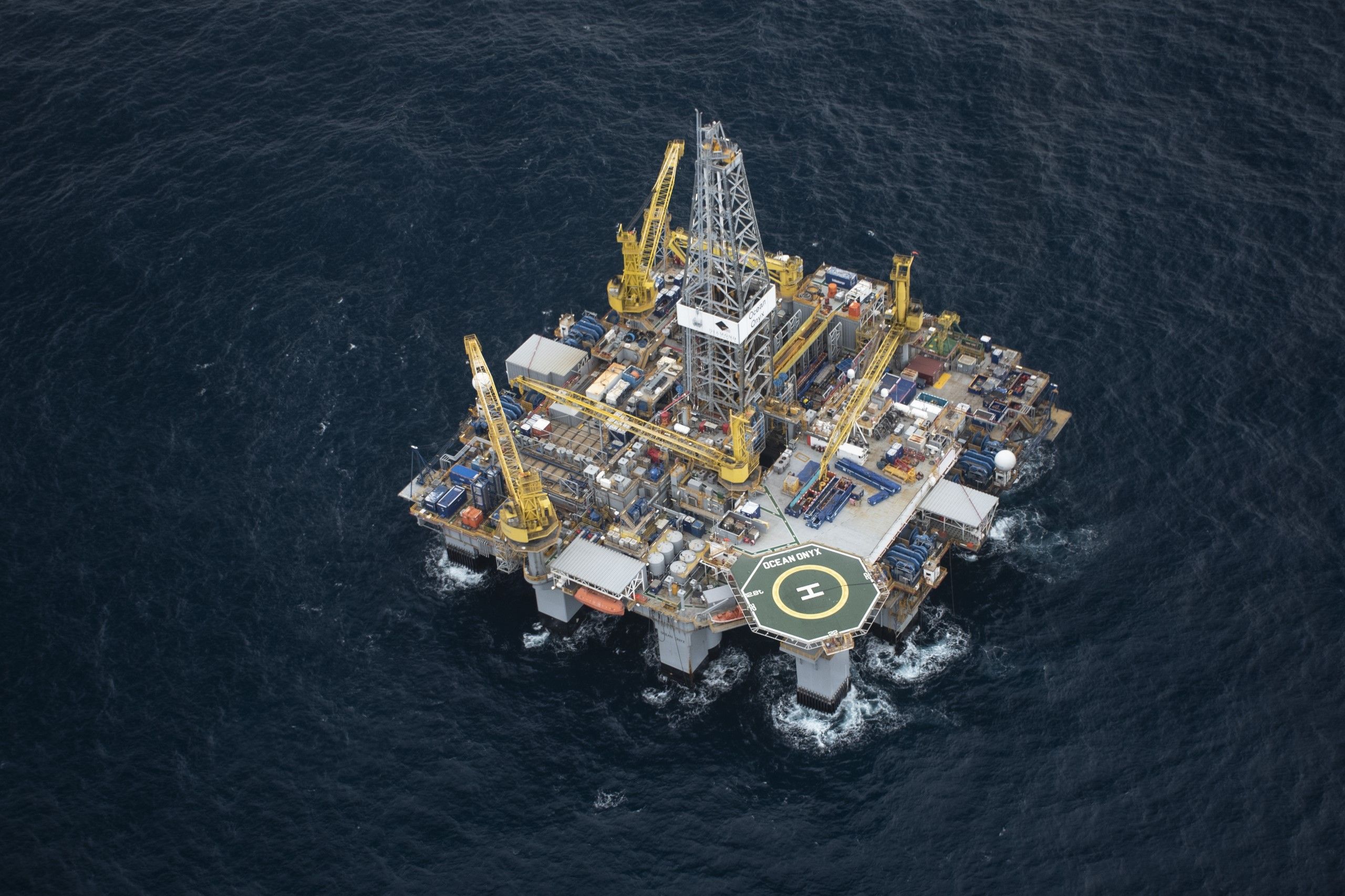
As part of its Vision 2035, INPEX is progressing carbon capture and storage (CCS) initiatives to support lower-carbon energy solutions. Mathieu’s and Paul’s talk provided an overview of INPEX’s global CCS strategy. It also highlighted the company’s efforts to decarbonise its upstream operations, including proposed development of the Bonaparte CCS Project – an initiative aimed at providing safe, permanent offshore CO₂ storage to support emissions reduction.
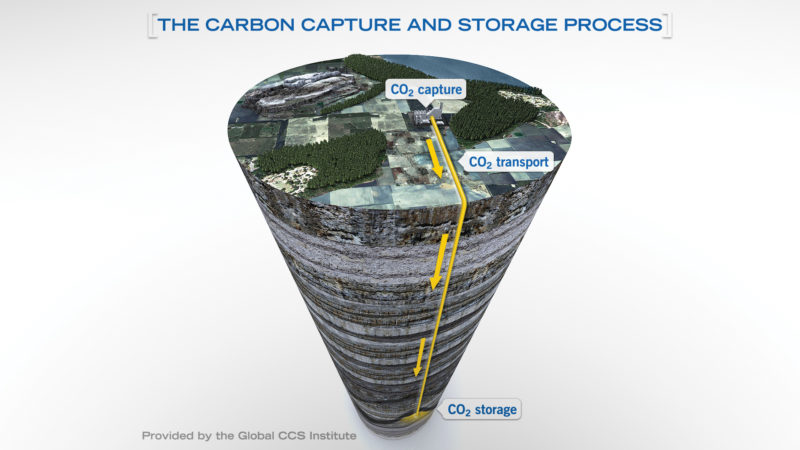
Fiona’s talk was focused on the Bonaparte CCS Project regarding the integration of core and FMI data in understanding reservoir heterogeneity. Core and FMI borehole image data from wells West Peron-1 and West Peron -2 provide a remarkable dataset for gaining insights into reservoir architecture and heterogeneity in the Jurassic to Cretaceous successions of the Bonaparte Basin. Such information is critical in the assessment of suitable sites for the long-term storage of CO2 in the Bonaparte Basin in terms of injectivity potential and movement of the CO2 plume (porosity, permeability, lateral and vertical heterogeneity).
Ratih’s talk was focussed on Australia’s emerging hydrogen economy and how it depends on the ability to safely store large quantities of hydrogen underground. As part of the national Exploring for the Future program, this study assesses the suitability of depleted gas fields for hydrogen storage, using the CO2CRC Otway International Test Centre as a representative site. With natural gas and CO₂ storage far more extensively characterised, these systems provide essential reference points for understanding subsurface hydrogen storage behaviour. Eric provided an introduction to the test centre.
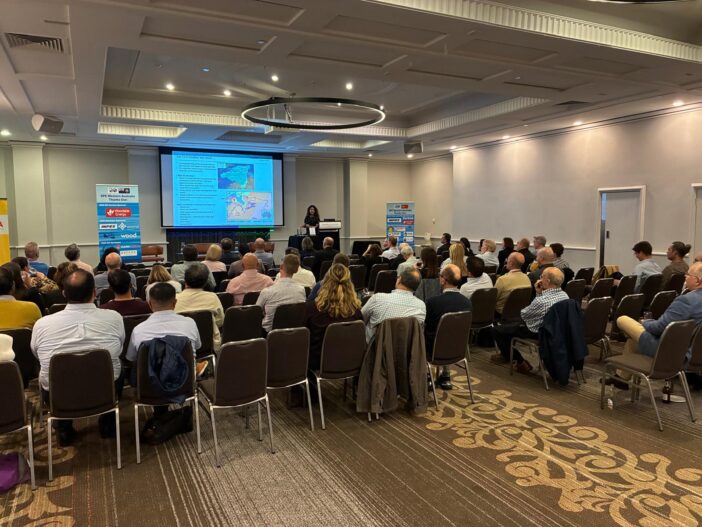
More than 80 people attended from PESA WA and SPE for these highly informative talks which generated much discussion.
Related Articles