
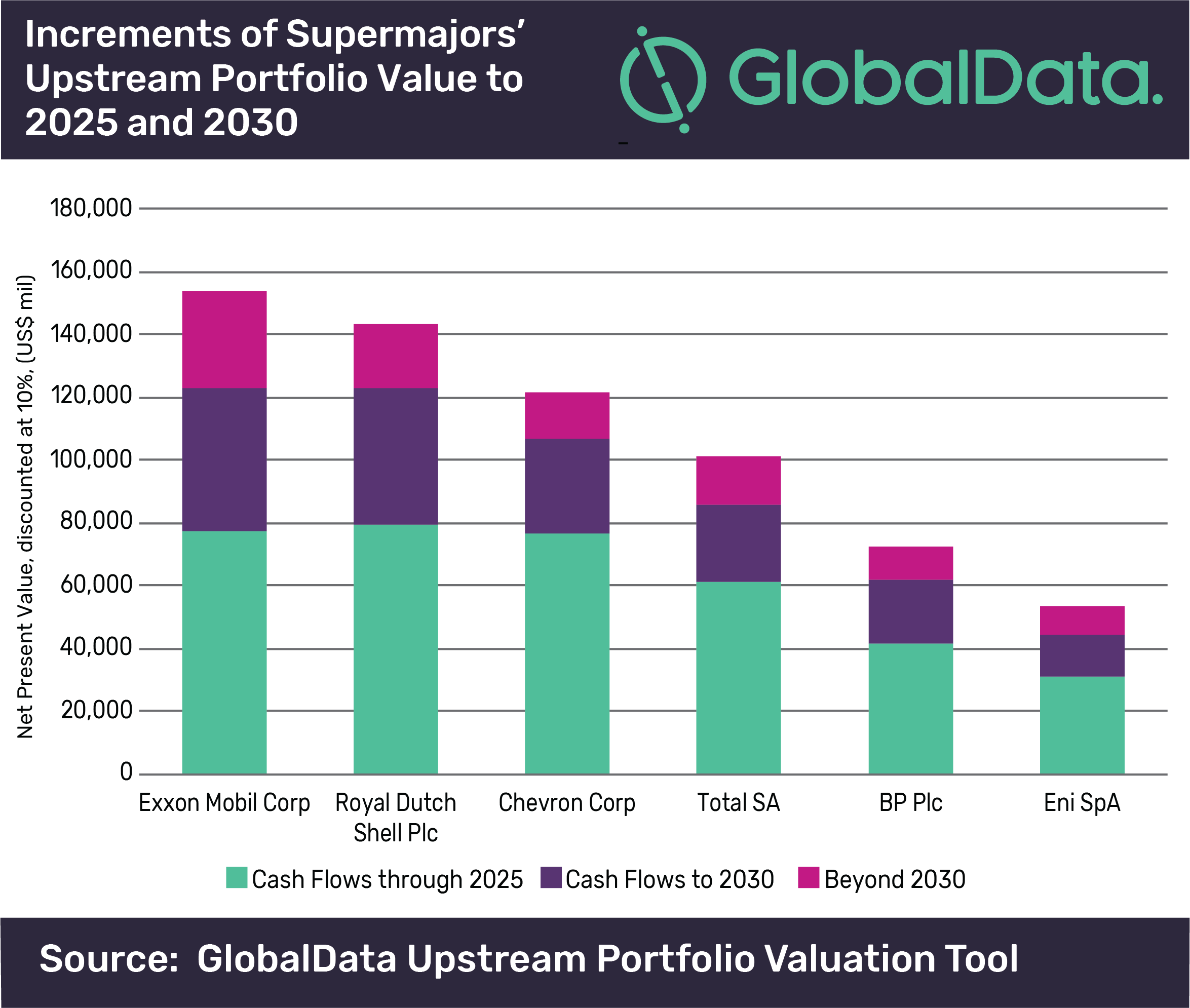
Major oil and gas companies are increasingly highlighting the alignment of their corporate strategies with climate change goals. They are also pursuing major production growth projects, but the value risk to these investments from the energy transition is limited, according to data and analytics company GlobalData. The company’s latest analysis shows that planned and announced projects from the six supermajors of ExxonMobil, Chevron, Royal Dutch Shell, BP, Total and Eni are expected to contribute over 5 million barrels per day (mmbd) of gross oil production by 2025.
Industry
‘New reality could unlock £200bn of future UK business opportunities’
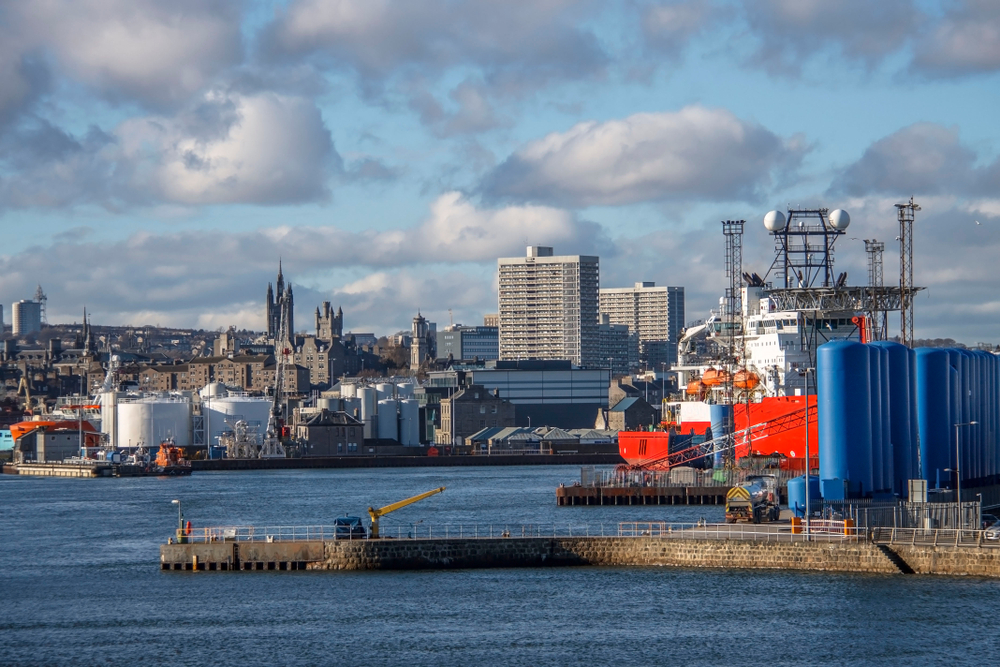
A sustained focus on cost and efficiencies with ongoing uncertainty in commodity markets marks the “new reality” for the UK’s offshore oil and gas sector, according to a flagship report into industry performance published recently. Oil & Gas UK’s (OGUK) Business Outlook 2019 finds continued uncertainty in commodity markets is reinforcing investor caution, with forecasts indicating a conservative outlook for prices. Against this backdrop, exploration and production companies remain focused on cost whilst striving for further business and operational improvements.

Technical problems curtails Norway oil production
The Norwegian Petroleum Directorate (NDP) has revealed that oil production during February this year was below expectations as a result of technical problems on some fields. The NDP said that preliminary production figures for February indicated an average daily production of 1,745,000 barrels of oil, NGL and condensate. This represented a decrease of 75,000 barrels per day in comparison to January. Total gas sales were 10.2 billion Sm3 (GSm3), a decrease of 0.9 GSm3 from the previous month. During February the average daily liquids production figures were 1,388,000 barrels of oil, 328,000 barrels of NGL, and 30,000 barrels of condensate.
APPEA applauds environmental authority retreat on carbon emission directives
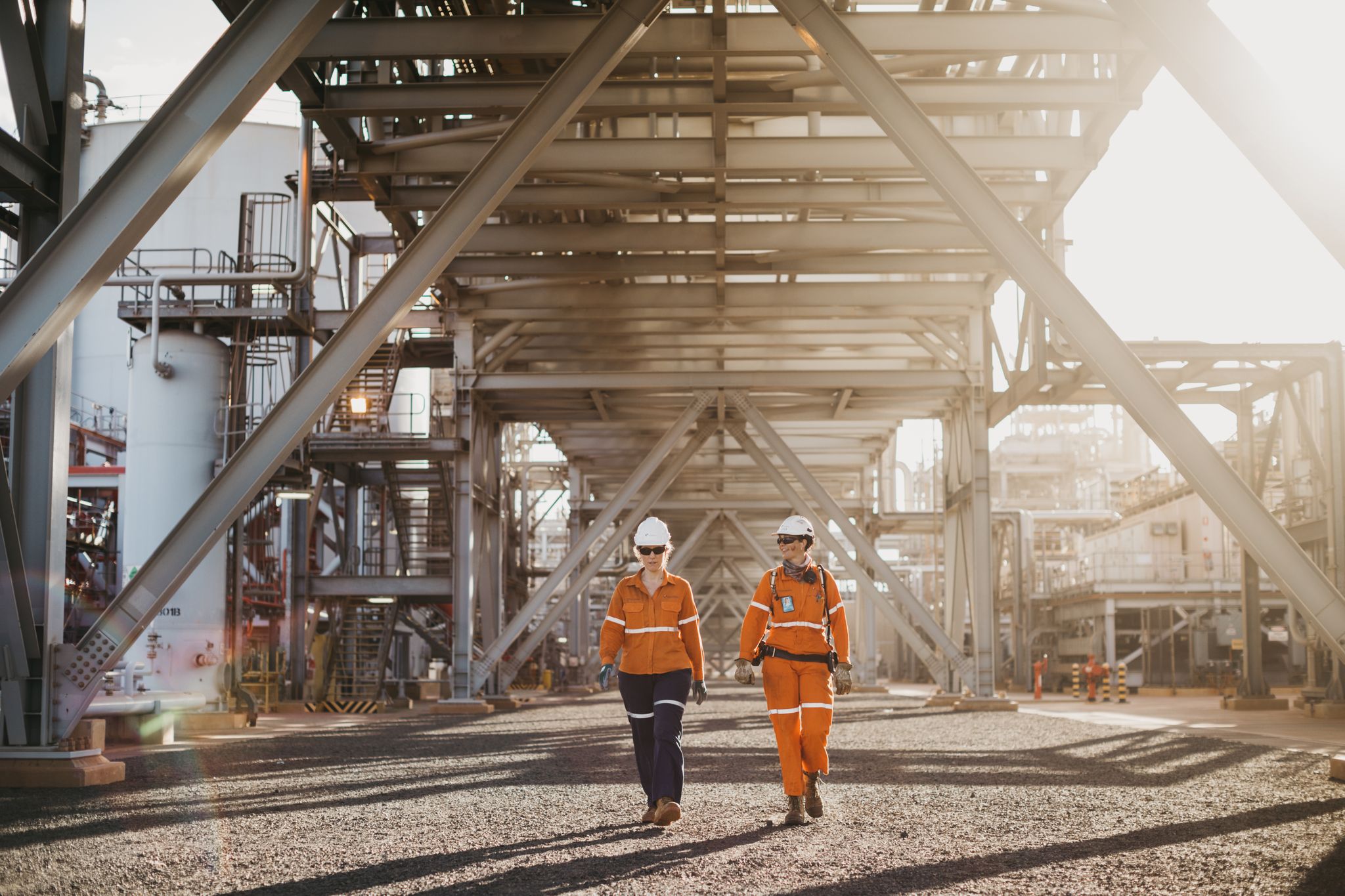
The Australian Petroleum Production & Exploration Association welcomed the decision by the board of the Western Australian Environmental Protection Authority to withdraw guidelines imposing unprecedented constraints on investment in new projects. APPEA CEO Malcolm Roberts said the requirement to offset all project emissions would have put at risk essential investment in resources and energy projects in WA. APPEA welcomed the decision of EPA chairman Tom Hatton and his board to provide a genuine opportunity for consultation with all stakeholders in a complex policy debate.
Industry confidence ‘returning to oil and gas sector’ according to AOG report
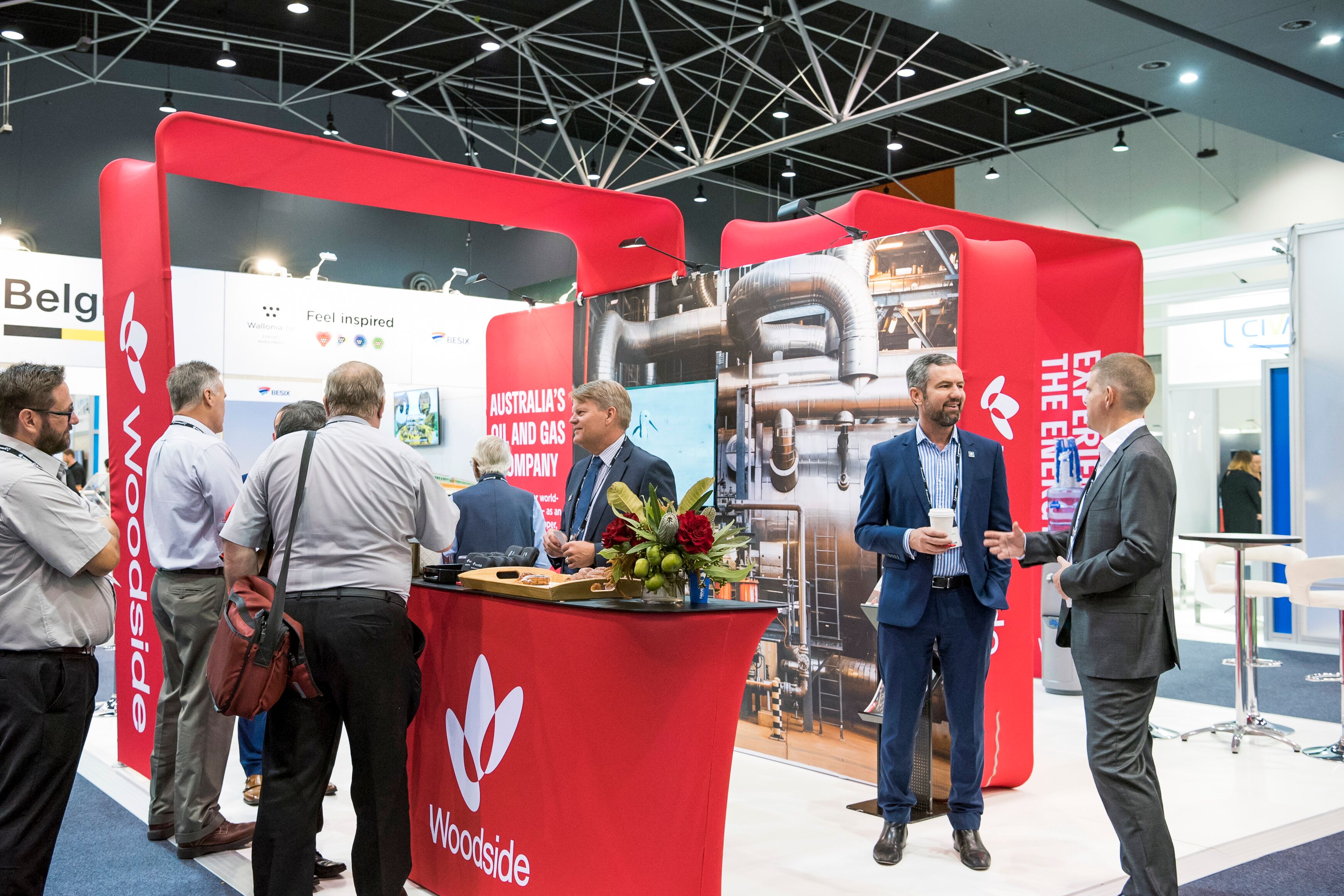
Over 90 per cent of oil and gas professional believe that the industry will improve or remain the same in the mid-to-long term, according to the second annual Industry Confidence Report commissioned by the Australasian Oil & Gas Conference & Exhibition (AOG). The report surveyed 700 oil and gas representatives from senior and operational management, engineers, consultants, contractors and business development managers found that the current health of the Australasian oil and gas industry was either stable or improving.

Bipartisan support for hydrogen
Energy Networks Australia has welcomed progress towards a National Hydrogen Strategy, with the recent release of a discussion paper for public comment. CEO Andrew Dillon said support from both sides of federal politics for hydrogen and its potential as a low or zero-emission energy source to back up renewable power was important to support the transition to a clean energy future. “Hydrogen can be produced carbon free from excess renewable energy, storing this energy in a clean way for when the sun doesn’t shine and the wind isn’t blowing,” he said.

Forties Pipeline System investment is ‘vote of confidence’ in North Sea future
The leading representative body for the UK’s offshore oil and gas industry has welcomed news INEOS is to invest £500m (AU$920 million) in the Forties Pipeline System as a vote of confidence in the future potential of the industry. INEOS said that the investment will transform the asset and extend the life of the pipeline by at least 20 years. Commenting, Oil & Gas UK upstream policy director Mike Tholen said: “Investment of this scale in the Forties pipeline system is a vote of confidence in the future potential of the UK North Sea.
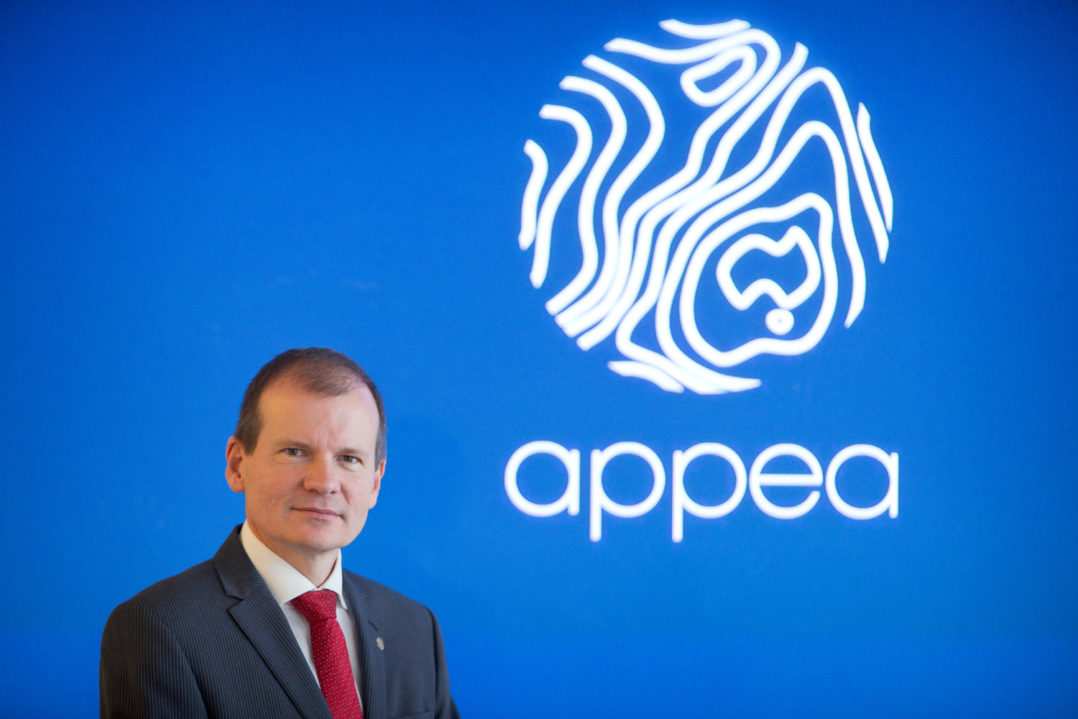
National gas can power hydrogen future, says APPEA
APPEA has welcomed the announcement that the Australian Government will advance the development of a national hydrogen strategy as the first step to developing a valuable new industry for the nation. “There is tremendous interest globally in hydrogen as a new, cleaner fuel. Australia is well placed to capitalise on our already abundant natural advantage,” said APPEA Chief Executive Dr Malcolm Roberts.

‘LNG import terminals critical to combatting Sydney-Melbourne gas shortage’
LNG import projects are urgently needed in both Melbourne and Sydney to counter the risks of a growing shortage of gas in the southern states, according to a major energy report released today. Based on new modelling by independent energy consultancy, EnergyQuest, gas production in the southern states (NSW, Victoria, South Australia and Tasmania) starts to shortfall demand by 2022. By 2025, the report forecasts that annual gas production offshore Victoria will more than halve from current levels, dropping to 146 petajoules (PJ) from 336 PJ in 2018.
‘HEADWINDS LOOM FOR QUEENSLAND’s A$84b LNG SECTOR’
Queensland faces the partial shut-down of a third of its barely decade-old $84 billion LNG industry by the middle of next decade due to a gas supply shortage, together with diversions to the domestic market. This would cut output to four LNG production trains from the current six trains built on Curtis Island off Gladstone by three project owners. Underpinning the production noose is an emerging forward reliance for feedstock on gas reserve estimates that could fall well below delivery expectations, according to a new report by EnergyQuest.