• Member Login
  • |
  • Join Now
PESA - Energy Geoscience

Promoting Professional and Technical Excellence in Energy Geoscience – Networking, On-going Professional Education, Monthly Technical Meetings

  • Home
  • About
    • About PESA
    • Objectives
    • PESA History
    • PESA Affiliates
    • Constitution and Rules
    • Strategic Plan
  • Events
    • Online
    • NSW / ACT
    • QLD
    • SA / NT
    • VIC / TAS
    • WA
    • Industry
    • Social
    • Past Events
  • Membership
    • Join Us
    • APPEA Conference Discounts
    • AEGC 2025 Travel Bursaries
    • PESA Membership Awards
  • Latest News
    • All News
    • Feature Articles
    • Industry
    • Company Updates
    • Tech Talk (public)
    • PESA Branch Activities
  • Library
    • Technical Library
    • PESA Gazette
    • Webinars
    • PESA News Magazine
    • Knowledgette Recordings
  • Scholarships
  • Employment
    • View Job Opportunities
    • Submit Job
  • Contact
Feature Articles
Industry

New design model promises improved safety and lower construction costs for LNG storage

Posted by Dale | 13/06/2022

13/06/2022 by Dale

share
share
tweet

A new high-performance computational model optimising the design of large LNG tanks will lead to improved safety and security of storage facilities, with the bonus of reduced construction costs, according to a University of Technology Sydney (UTS) research team that has developed the design with industry partners.

Working with research partners from Arup, the UTS team, led by Head of Geotechnical and Transport Engineering Associate Professor Behzad Fatahi with PhD student Ms Noor Sharari, has developed a rigorous computer simulation technique taking in complex loading conditions, such as earthquakes and soil-structure and liquid-structure interactions.

“The UTS Interactive High-Performance Computing facility allowed our team to simulate the entire system, including nearly half a million elements with nonlinear behaviour,” Associate Professor Fatahi said.

“We can now optimise the design of these energy storage tanks against large earthquakes, improving their safety and security and mitigating against the significant environmental and economic consequences of failure.”

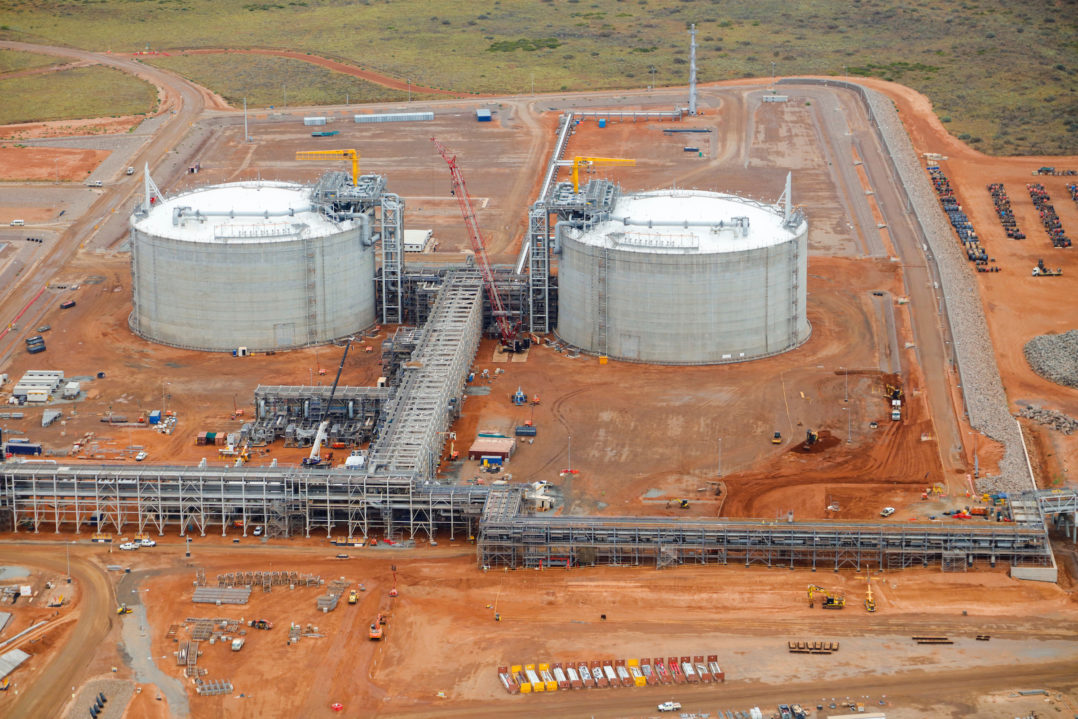
At present in Australia there are around ten major LNG production facilities addressing local demand, with nearly 100 million tonnes of LNG exported overseas per year.

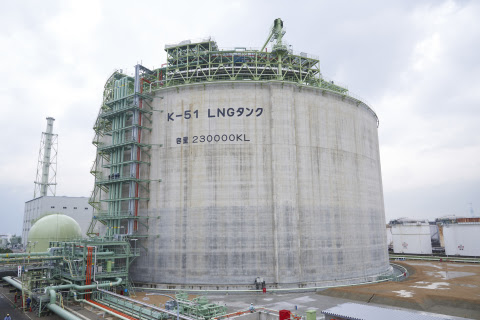
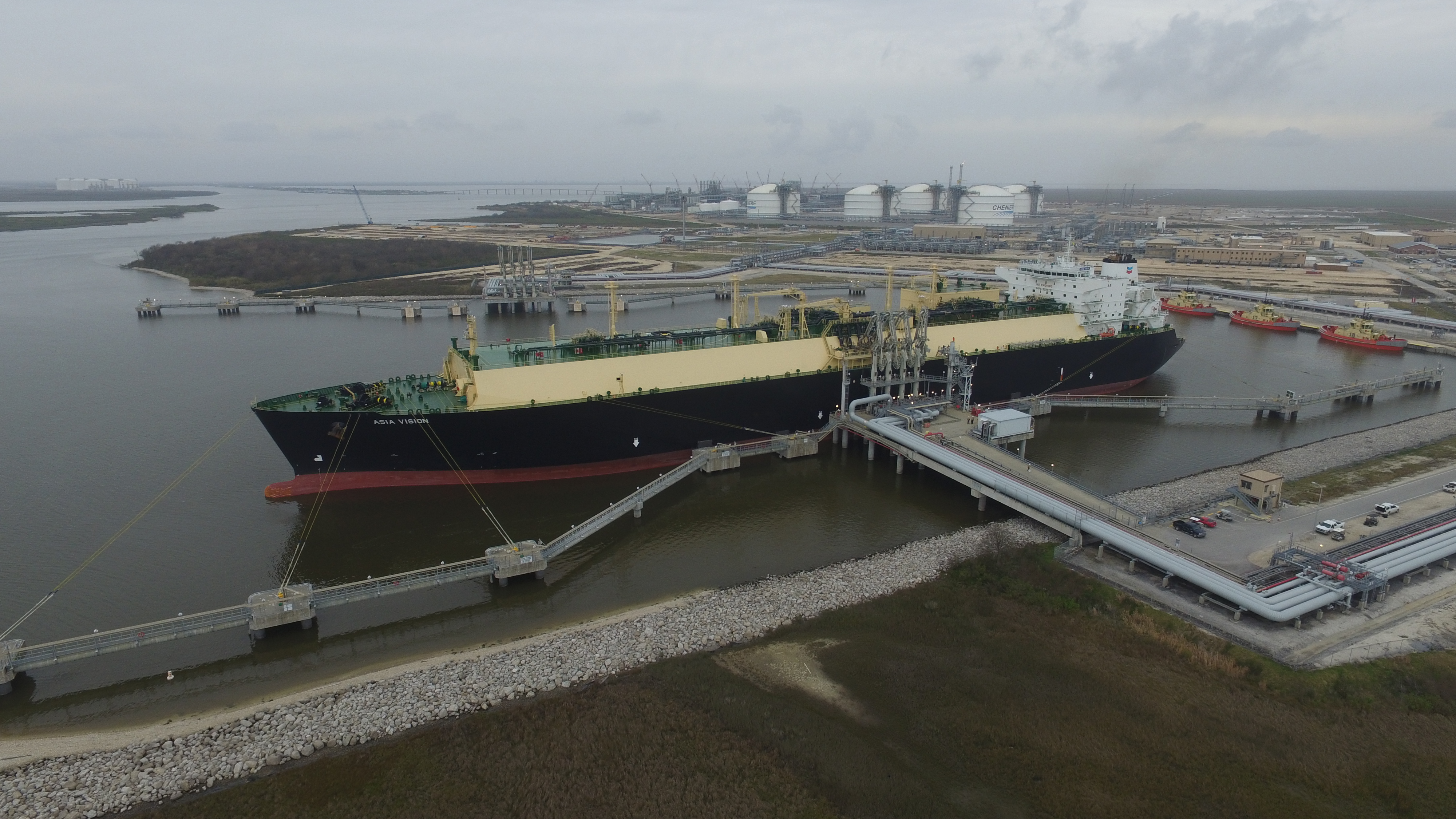
LNG is usually contained within a vertical circular steel container made of high ductility materials such as 9% nickel steel, while a second container often made of reinforced concrete is needed for external protection and vapour tightness or confinement.

Associate Professor Fatahi said the most common locations for LNG tanks are coastal regions, which often have poor ground conditions, requiring deep pile foundations. Thus, construction of LNG plants can cost billions of dollars and there is a great demand to minimise the construction costs while ensuring safety and security.

“Our model can increase reliability of LNG tank design to avoid catastrophic failures similar to the damage to the LNG tanks in Japan after the magnitude 7.5 Niigata earthquake, which resulted in uncontrolled fires and explosions with severe pollution of the environment,” he said.

“We have developed an analysis and design method encompassing the LNG, inner and outer tanks, foundations and the interaction among them, using a single computer model capable of modelling the entire tank system in one step.

“Moreover, our findings, recently published in the Bulletin of Earthquake Engineering and Journal of Performance of Constructed Facilities, showed the optimisation of LNG tank design can result in reduced construction costs of these mega projects.

“This will provide an opportunity to build more of these large energy storage facilities, contributing to better global energy security and a growing economy.

“For example, at the moment gas prices are high and temperatures are low, meaning businesses and households alike are facing big power bills this winter.”

The research team is now looking at the use of polymeric materials for seismic protection of large storage tanks for emerging energy resources such as hydrogen and ammonia.

The team included Associate Professor Fatahi, supported by PhD Candidate Ms Noor Sharari from the UTS School of Civil and Environmental Engineering, with Dr Aslan Hokmabadi and Dr Ruoshi Xu from industry partner Arup.
Related Articles

GECF Green LNG
Carbon neutral or Green LNG? GECF looks at the options

05/02/2021

The Suez Canal Blockage: Impact on the LNG Shipping Market

12/07/2021

ASEAN Power Sector
Natural gas future in ASEAN power sector

17/05/2021

Osaka GAS LNG Receiving Terminal
Osaka Gas signs Taiwan LNG receiving terminal deals

29/05/2018

Show CommentsHide Comments

Become a Member

petroleum exploration society member badge

Join PESA now and enjoy full membership benefits

  • access to fully searchable technical library
  • extensive networking opportunities with industry leaders and peers
  • further professional education and training
  • and more!

VISIT MEMBERSHIP PAGE

View Upcoming Events By Branch

PESA Events by State PESA Events in Western Australia PESA Events in South Australia and Northern Territory PESA Events in Victoria and Tasmania PESA Events in NSW PESA Events in Queensland

(Click on the the map)

Sponsored

PESA MAGAZINE – LATEST EDITION

PESA News Issue 173

Previous Editions

POPULAR POSTS

  • Shell Discovery Map WA Shell makes ‘significant’ gas discovery offshore Australia
  • APPEA CEO Samantha McCulloch Meet Samantha McCulloch, APPEA’s new CEO
  • USA oil exports exceeded imports 2019 How the USA became the world’s largest crude oil exporter in 2019
  • PESA WA Winter warmer at the Museum
  • SA announces successful applicants for acreage in Cooper and Otway Basins
  • CUE Permits NWS Ironbark exploration well delivers a disappointing duster

Norwood Resources

the Norwood resource

PESA members please use this group to help with "social license to operate" issues.

TOPICS

AEP Annual General Meeting Archer AVO AVO inversion Bowen inversion Branch News CCS climate change complex seismic wavefield core workshop Dorado Early Triassic eFWI elastic full waveform inversion Energy Geoscience GA Golf Henry Posamentier Industry News Kingia sandstone Middle Triassic Mungaroo inversion NWS inversion PESA petroleum cores Qld Queensland CSG Queensland gas Queensland rocks SA/NT seismic inversion sequence boundary Social Surat-Bown Basin systems tracts WA wave influenced deltas WEB-AVO inversion women in energy women leadership women leadership scholarships womens career development women scholarships Zillmere core store

PESA - Energy Geoscience

PESA Energy Geoscience is a non-profit association of individuals involved in the exploration of oil and gas.

Connect with us

Subscribe to our newsletter and stay on the loop of what is happening in the field of Energy Geoscience and events near you.

pesa newsletter
* indicates required

PESA Energy Geoscience will use the information you provide on this form to be in touch with you and to provide updates and marketing. Please confirm you give us permission to contact you via your email address:

You can change your mind at any time by clicking the unsubscribe link in the footer of any email you receive from us. We will treat your information with respect. For more information about our privacy practices please visit our website. By clicking below, you agree that we may process your information in accordance with these terms.

We use Mailchimp as our marketing platform. By clicking below to subscribe, you acknowledge that your information will be transferred to Mailchimp for processing. Learn more about Mailchimp's privacy practices.

Copyright © 2025 PESA - Energy Geoscience. All Rights Reserved.

  • Advertise
  • Contact
  • Policies
  • Privacy
  • Terms & Conditions