
• Member Login
  • |
  • Join Now
PESA - Energy Geoscience

Promoting Professional and Technical Excellence in Energy Geoscience – Networking, On-going Professional Education, Monthly Technical Meetings

  • Home
  • About
    • About PESA
    • Objectives
    • PESA History
    • PESA Affiliates
    • Constitution and Rules
    • Strategic Plan
  • Events
    • Online
    • NSW / ACT
    • QLD
    • SA / NT
    • VIC / TAS
    • WA
    • Industry
    • Social
    • Past Events
  • Membership
    • Join Us
    • APPEA Conference Discounts
    • AEGC 2025 Travel Bursaries
    • PESA Membership Awards
  • Latest News
    • All News
    • Feature Articles
    • Industry
    • Company Updates
    • Tech Talk (public)
    • PESA Branch Activities
  • Library
    • Technical Library
    • PESA Gazette
    • Webinars
    • PESA News Magazine
    • Knowledgette Recordings
  • Scholarships
  • Employment
    • View Job Opportunities
    • Submit Job
  • Contact
Feature Articles
Industry

Global gas demand ‘delivers opportunities for Australia’

Posted by Dale | 19/11/2019

Andrew McConville

19/11/2019 by Dale

share
share
tweet

Global demand for natural gas will increase over the next 20 years, providing a major economic opportunity for Australia, according to the International Energy Agency (IEA).

APPEA Chief Executive Andrew McConville said the IEA’s World Energy Outlook highlighted the reality that the growing natural gas industry was essential for a cleaner energy future.

“Demand for natural gas is expected to increase 36 per cent by 2040, with gas providing a quarter of global energy demand, the IEA’s Stated Policies Scenario* shows,” Mr McConville said. “Gas will become the second largest source of global energy after oil.”

Liquefied natural gas (LNG) exports will overtake pipeline gas as the main form of long-distance trading, accounting for more than 57 per cent of inter-regional trade by 2040, the IEA report said.

“These outlooks are very positive for Australia and will see a continued stream of high paying jobs, export dollars and revenue for governments for decades,” Mr McConville said.

“Demand will come from China, India and other countries in Asia. The IEA again reaffirmed that on a lifecycle basis natural gas has much lower associated emissions and switching to natural gas provides an opportunity to lower emissions quickly.”

According to recent Australian Government figures, LNG exports have the potential to reduce global greenhouse gas emissions by up to 152 Mt CO2-e, or up to 28 per cent of Australia’s annual emissions.

Mr McConville said the IEA report highlighted an emerging challenge for Australia with the United States expected to become the world’s leading LNG exporter by the mid-2020s.

“There is a great opportunity for Australia but in a competitive global market, we cannot become complacent,” Mr McConville said.

“If Australia is to attract further investment in LNG production, it’s vital to have sensible policy settings–maintaining a stable and competitive tax regime, resisting calls for interventions in gas markets and reducing red tape.”

  • Highlights from this year’s World Energy Outlook include:
  • Oil and gas together will account for more than half of all global energy consumption in 2040.
  • Oil is the largest source of energy share (28 per cent) and gas the second largest (25 per cent) in 2040.
  • Gas is forecast to achieve annual growth of 1.4 per cent.
  • Oil demand is expected to grow at an annual rate of 0.4 per cent to 2040.
  • By 2040, gas demand is forecast to have increased by 36 per cent, accounting for a quarter of global energy demand.
  • A shift in trade flows towards the Asia-Pacific region, with China soon to become the world’s largest gas-importing country, with LNG imports almost twice the next largest importing country, India, and the share of gas in China’s energy mix rises from 7 per cent today to 13 per cent by 2040.
  • Developing Asian economies account for half of the global growth in natural gas demand and almost all of the increase in traded volumes. By 2040, the average gas molecule travels.over 5,000 kilometres to reach consumers in developing Asian markets, nearly twice as far as today.

In 2018, over 45 per cent of the growth in the world’s energy demand was met by natural gas. India, China, Africa and the Middle East are the main centres of gas demand growth to 2040, with demand increasing by 216 per cent, 132 per cent, 100 per cent and 51 per cent respectively.

The 2019 World Energy Outlook can be found here.

Related Articles

Drone attacks put petrochemical feedstock supply under strain

24/09/2019

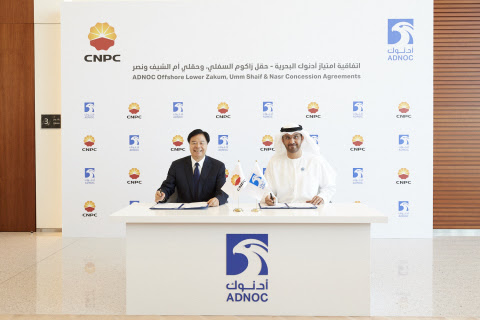
ADNOC Signs Offshore Concessions with CNPC

27/03/2018

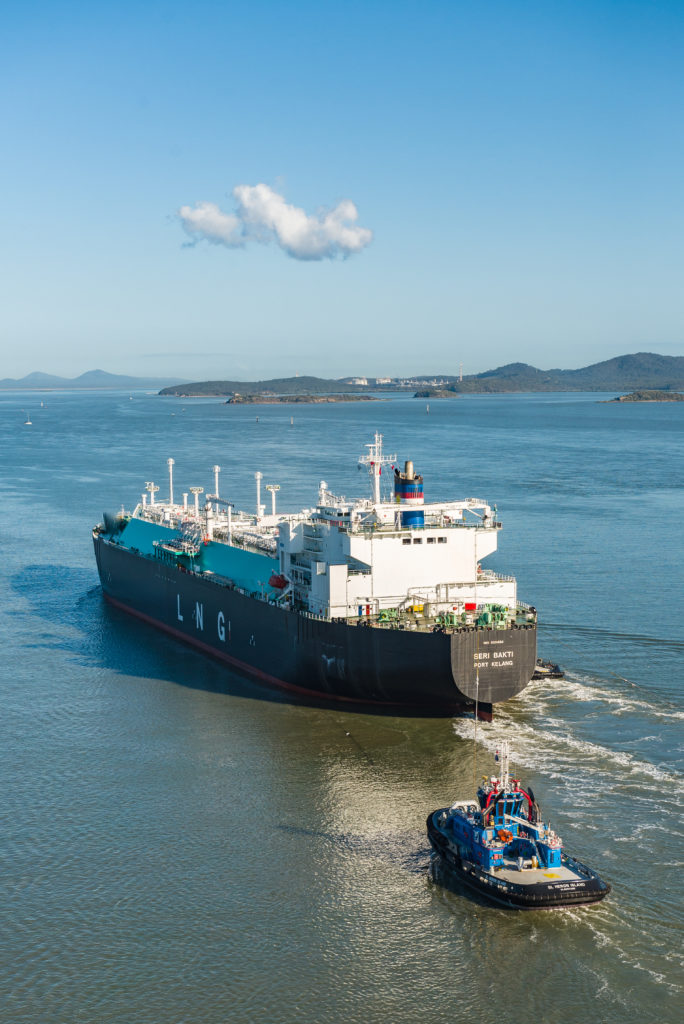
Santos GLNG cargo
Australian LNG hits record export highs in 2017

23/01/2018

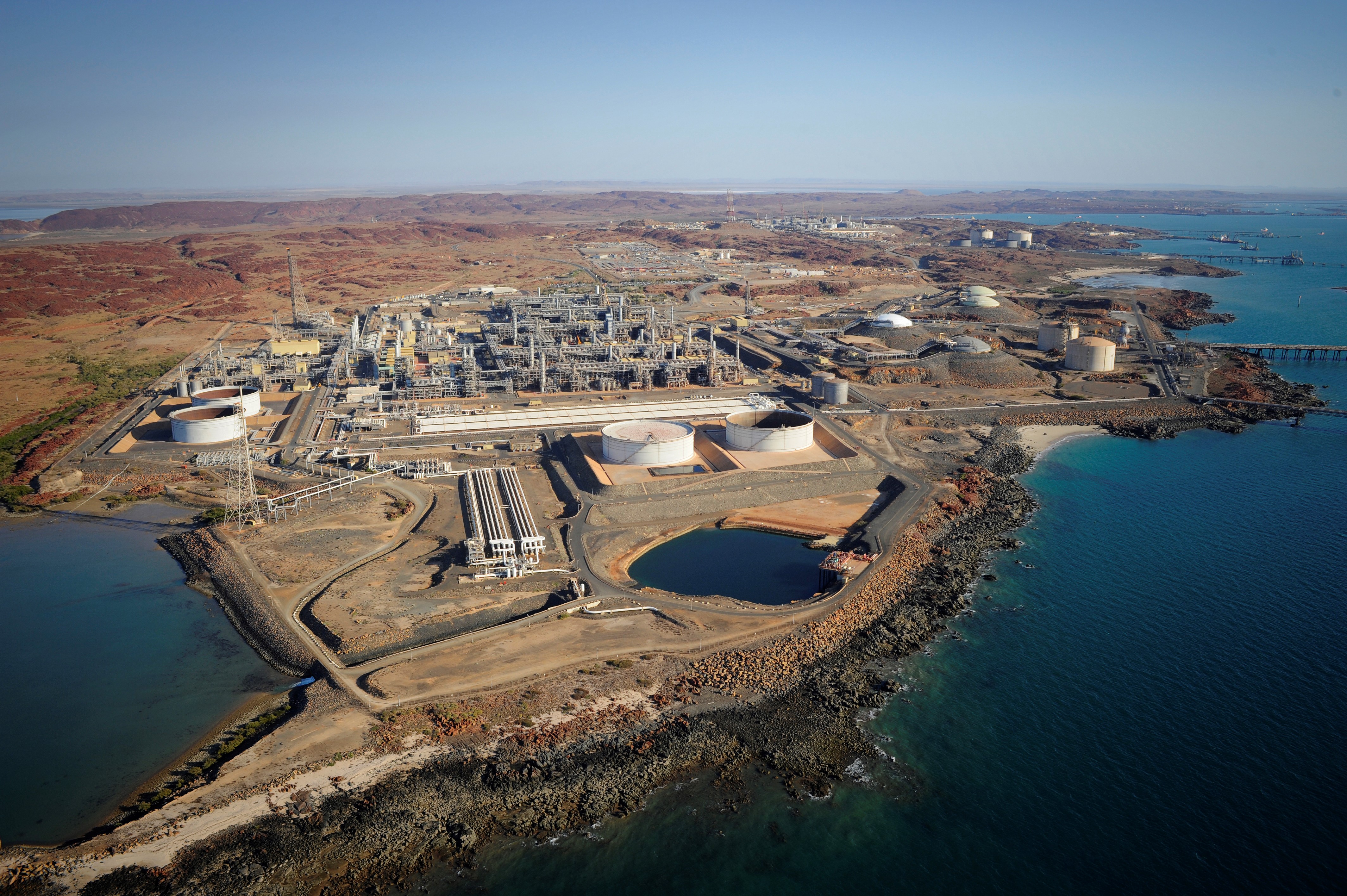
Karratha Gas Plant
Australia formally becomes world’s largest exporter of LNG

07/01/2020

Show CommentsHide Comments

Become a Member

petroleum exploration society member badge

Join PESA now and enjoy full membership benefits

  • access to fully searchable technical library
  • extensive networking opportunities with industry leaders and peers
  • further professional education and training
  • and more!

VISIT MEMBERSHIP PAGE

View Upcoming Events By Branch

PESA Events by State PESA Events in Western Australia PESA Events in South Australia and Northern Territory PESA Events in Victoria and Tasmania PESA Events in NSW PESA Events in Queensland

(Click on the the map)

Sponsored

PESA MAGAZINE – LATEST EDITION

PESA News Issue 173

Previous Editions

POPULAR POSTS

  • Shell Discovery Map WA Shell makes ‘significant’ gas discovery offshore Australia
  • APPEA CEO Samantha McCulloch Meet Samantha McCulloch, APPEA’s new CEO
  • USA oil exports exceeded imports 2019 How the USA became the world’s largest crude oil exporter in 2019
  • PESA WA Winter warmer at the Museum
  • SA announces successful applicants for acreage in Cooper and Otway Basins
  • CUE Permits NWS Ironbark exploration well delivers a disappointing duster

Norwood Resources

the Norwood resource

PESA members please use this group to help with "social license to operate" issues.

TOPICS

AEP Annual General Meeting Archer AVO AVO inversion Bowen inversion Branch News CCS climate change complex seismic wavefield core workshop Dorado Early Triassic eFWI elastic full waveform inversion Energy Geoscience GA Golf Henry Posamentier Industry News Kingia sandstone Middle Triassic Mungaroo inversion NWS inversion PESA petroleum cores Qld Queensland CSG Queensland gas Queensland rocks SA/NT seismic inversion sequence boundary Social Surat-Bown Basin systems tracts WA wave influenced deltas WEB-AVO inversion women in energy women leadership women leadership scholarships womens career development women scholarships Zillmere core store

PESA - Energy Geoscience

PESA Energy Geoscience is a non-profit association of individuals involved in the exploration of oil and gas.

Connect with us

Subscribe to our newsletter and stay on the loop of what is happening in the field of Energy Geoscience and events near you.

pesa newsletter
* indicates required

PESA Energy Geoscience will use the information you provide on this form to be in touch with you and to provide updates and marketing. Please confirm you give us permission to contact you via your email address:

You can change your mind at any time by clicking the unsubscribe link in the footer of any email you receive from us. We will treat your information with respect. For more information about our privacy practices please visit our website. By clicking below, you agree that we may process your information in accordance with these terms.

We use Mailchimp as our marketing platform. By clicking below to subscribe, you acknowledge that your information will be transferred to Mailchimp for processing. Learn more about Mailchimp's privacy practices.

Copyright © 2025 PESA - Energy Geoscience. All Rights Reserved.

  • Advertise
  • Contact
  • Policies
  • Privacy
  • Terms & Conditions