
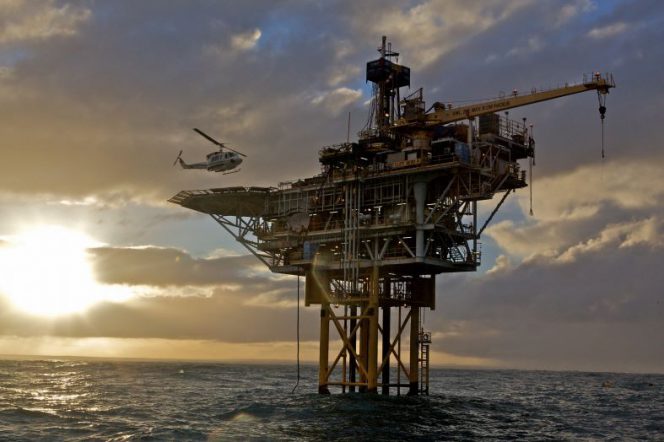
Triangle Energy has asserted that no hydrocarbons were sighted in the marine environment or shoreline following a “low-level spill” and shut in at the Cliff Head Alpha platform in the Perth Basin, 14km offshore Western Australia. Severe weather and rough seas last Tuesday caused a small crack in the flow meter on the CH6 Well, prompting the suspension of production and the launching of an Oil Pollution Emergency Plan (OPEP) to conduct safety and environmental assessments. Triangle Energy said in a statement that the loss of produced fuel comprised zero to 10,000 litres.
Feature Articles
PGS is back in the black
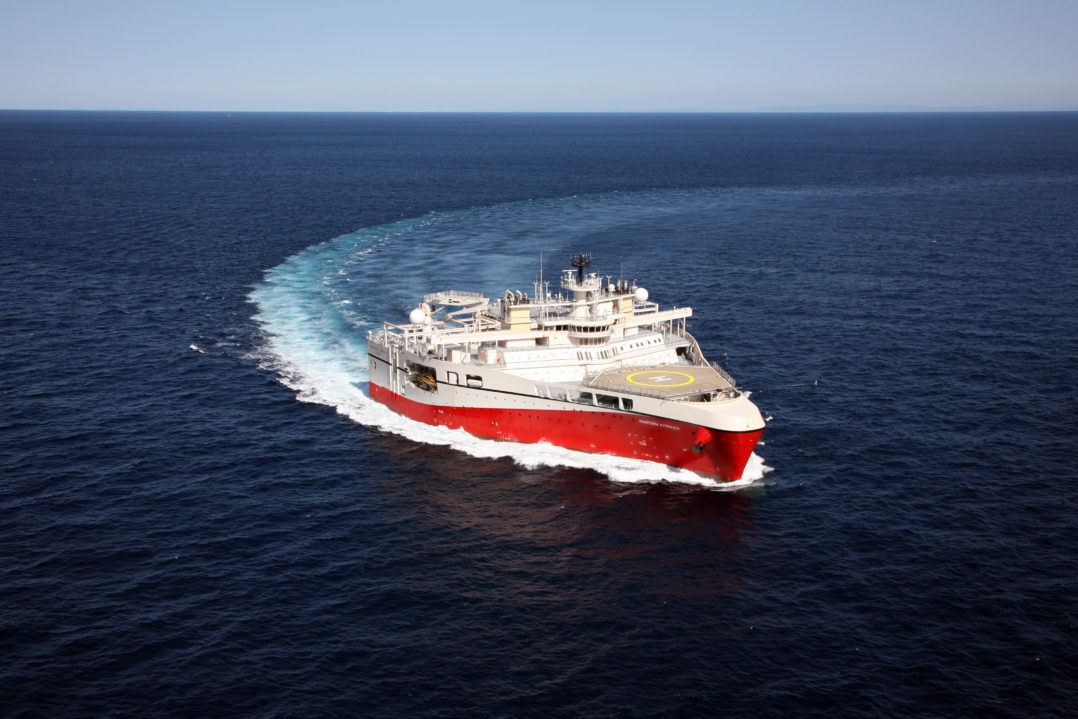
Petroleum Geo Services posted a profit of US$10.4 million for the second quarter of 2018, reversing a loss of US$32.2 million from the same corresponding period a year earlier. The Norwegian seismic services company reported that revenues were flat at US$239.7 million in 2Q 2018, compared to US$240.5 million in the same period in 2017, but had delivered an EBIT of US$30.5 million. PGS said: "Most of our active 3D vessel capacity was allocated to MultiClient in the quarter and pre-funding revenues dominated the sales mix.
ADNOC awards world’s largest combined onshore and offshore 3D seismic survey to CNPC affiliate
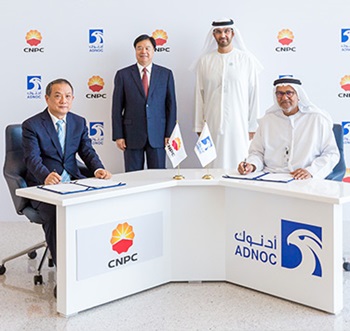
The Abu Dhabi National Oil Company (ADNOC) has awarded contracts worth US$1.6bn, representing the world’s largest continuous 3D onshore and offshore seismic survey, covering an area up to 53,000 square kilometres. ADNOC said the latest award was part of the company’s ongoing strategy to “identify and unlock new opportunities and maximize value from its hydrocarbon resources and deliver on its 2030 smart growth strategy”. Adding to the 2D and 3D seismic data already acquired across Abu Dhabi, the new seismic survey will cover an area of up to 30,000 km2 offshore and 23,000 km2 onshore.

Schlumberger flags accelerated E&P spending
Schlumberger has posted second-quarter revenue of US$8.3 billion, an increase of 11% compared to a year ago, and is flagging an increase in exploration and production spending in a brightening disposition. The company said revenue was primarily lifted by a 43% lift in operations in North America to US$3.1 billion. Schlumberger said offshore activity began to recover during the second quarter with new drilling projects in Eastern Canada, the US Gulf of Mexico, and the Caribbean, resulting in sequential offshore revenue growth of 22%.
OGA offers frontier blocks in 31st offshore licensing round
The Oil and Gas Authority (OGA) has launched the 31st Offshore Licensing Round, offering blocks in frontier areas of the UK Continental Shelf (UKCS), supported by government-funded data to stimulate interest in these under-explored basins and assist companies in their activities. A total of 1766 blocks (370,000 km2) of open acreage is now available across the West of Scotland, the East Shetland Platform, the Mid North Sea High, South West Britain and parts of the English Channel, covered by over 80,000 km of high-quality, publicly-available seismic data generated through the 2015 and 2016 Government seismic programmes.
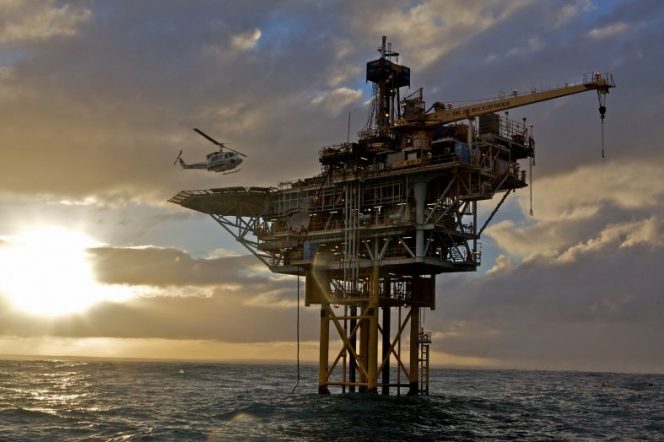
Cliff Head reveals a potential 29-million barrel bounty
Perth-based Triangle Energy has announced that a recently completed static model has unveiled a prospective resource estimate of up to 29 million barrels of oil at its Cliff Head field in the Perth Basin. This represents an 80% increase over previous estimates of 15.7MMbbl in a discovery located 10km offshore in depths of 15-20 metres. The ASX-listed junior explorer said the “near field” prospects are located in close proximity to Cliff Head’s discovered, producing reservoirs where future potential development was well positioned to take advantage of existing pipelines and infrastructure.
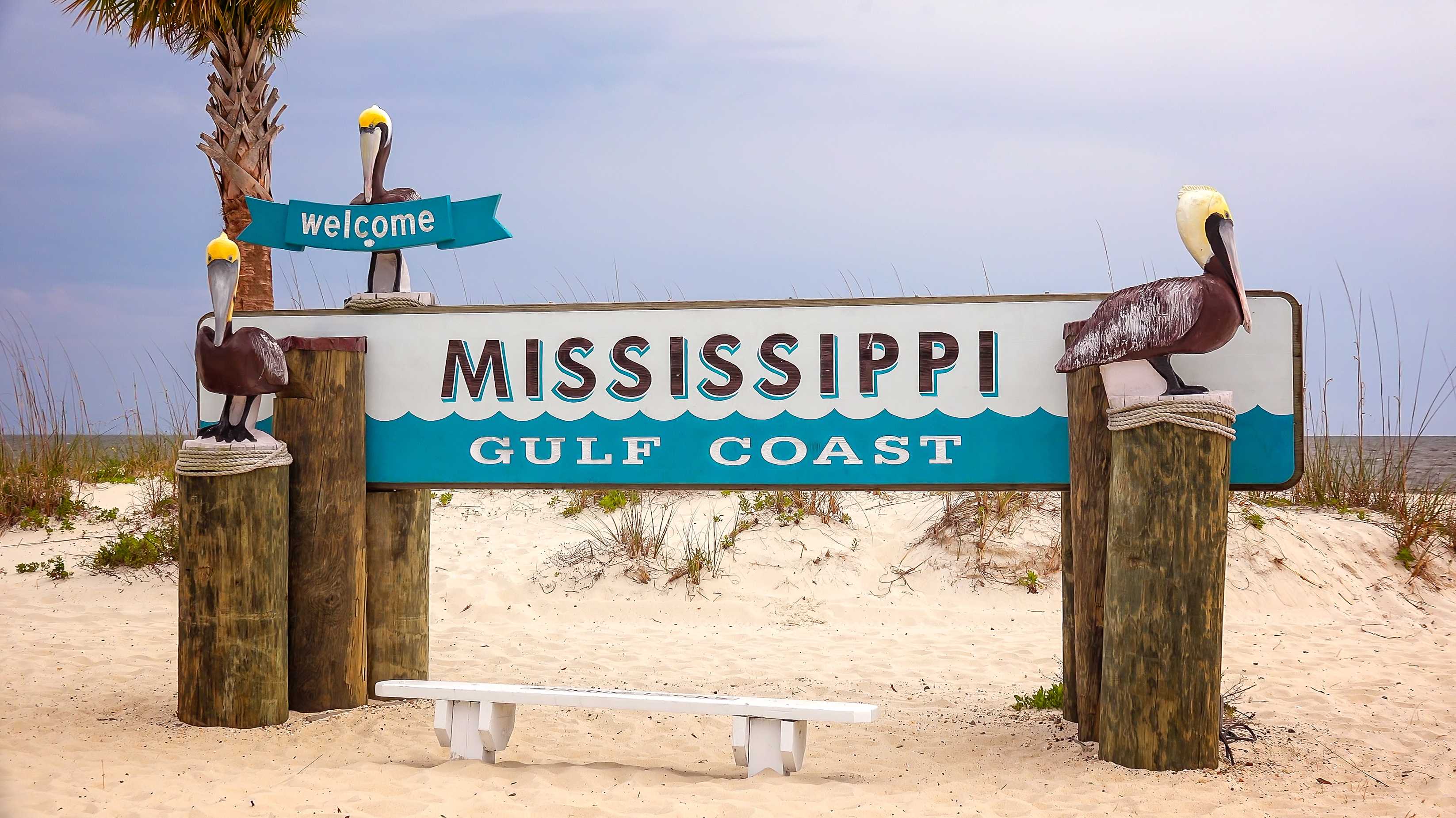
USA flags 78 million acres for offshore exploration
The US Bureau of Ocean Energy Management (BOEM) has put approximately 78 million acres offshore Texas, Louisiana, Mississippi, Alabama and Florida up for offer for oil and gas exploration and development. BOEM said acreage offer was in support of President Donald Trump's America-First Offshore Energy Strategy and the region-wide lease sale, scheduled for Aug. 15, 2018, includes all available unleased areas in federal waters of the Gulf of Mexico. “Responsibly developing our offshore energy resources is a major pillar of this Administration’s energy strategy,” said Deputy Secretary of the Interior, David Bernhardt.
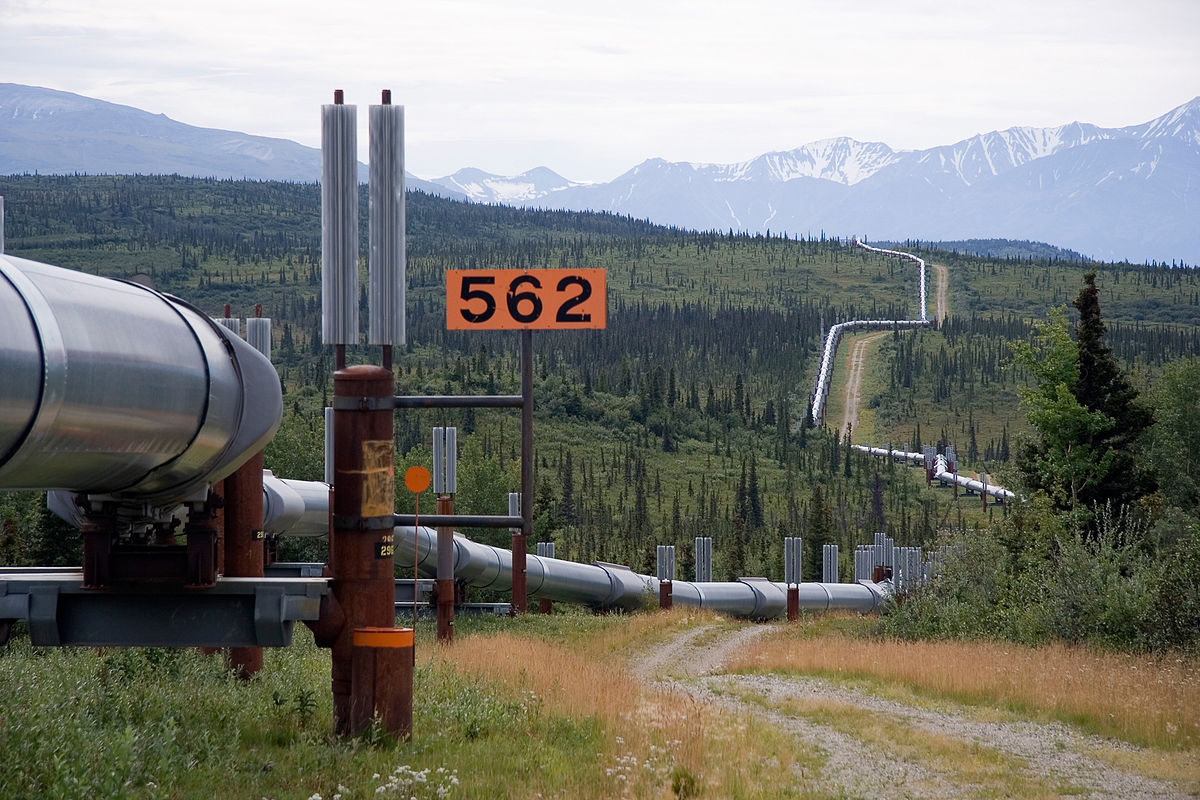
First production from large Alaskan discoveries hamstrung by lack of infrastructure
Since 2015 a few major oil discoveries were announced on the North Slope Alaska basin that together could add at their peak approximately 450 thousand barrels per day (mbd) to the Trans Alaska Pipeline System (TAPS), says GlobalData, a leading data and analytics company. These include Smith Bay, Horseshoe, Pikka, Willow and Liberty oil discoveries. In the short term, boosting the volume of oil transported through the TAPS depends greatly on the fields located within the National Petroleum Reserve-Alaska (NPR-A). Currently, around 544 thousand barrels of oil flows daily through the TAPS.
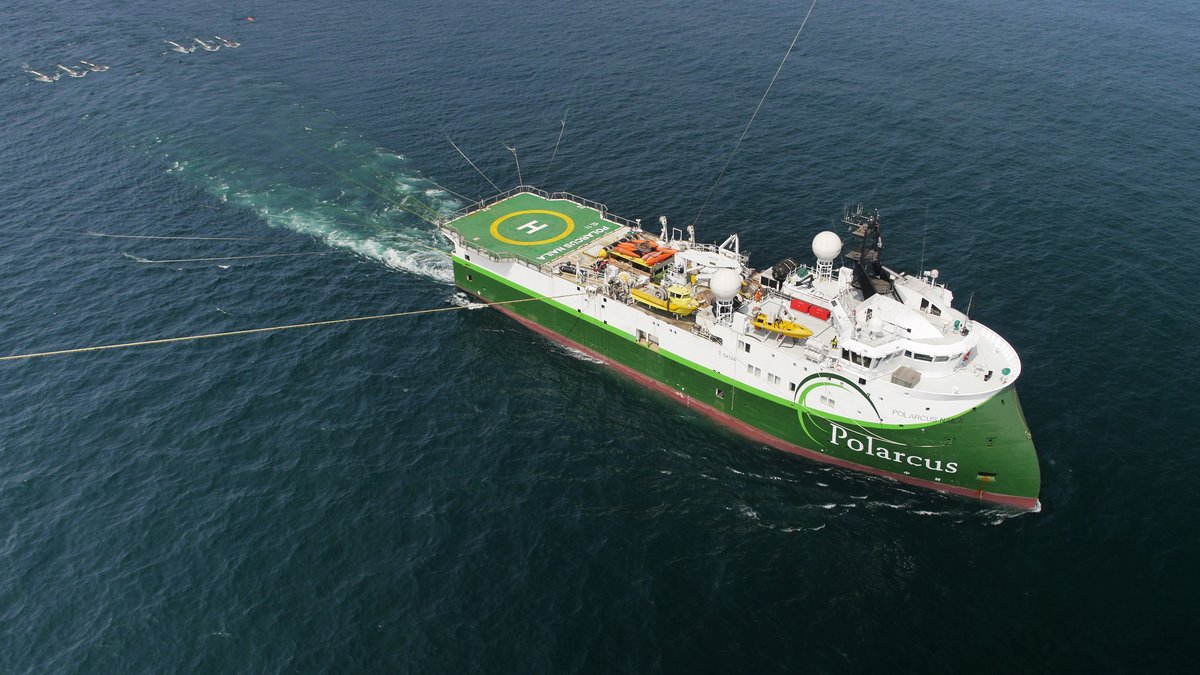
Polarcus divests Capreolus multi-client asset
Polarcus has sold its Capreolus 3D survey offshore Australia. Polarcus said the 22,130sq km Capreolus 3D survey was sold by a company subsidiary in return for a cash consideration of US$6.5 million. Polarcus said the transaction would result in a non-cash gain of approximately $4.9 million and is subject to the execution of ancillary agreements with a target closing date on or before July 31, 2018. Last month Polarcus was awarded an XArray 3D marine seismic acquisition project in northwest Europe. The company said the start of the two-month project was imminent.
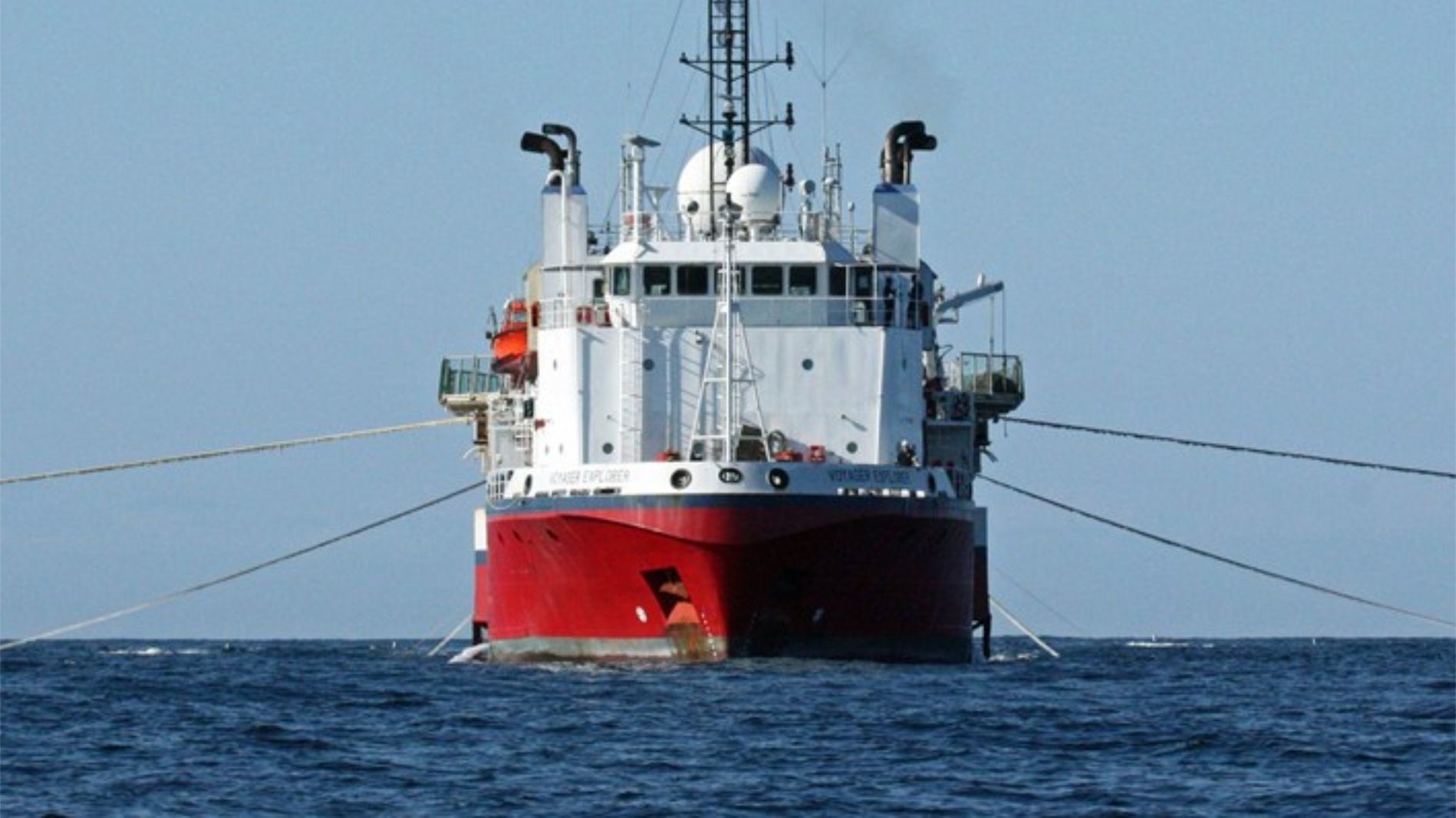
Seabird set for seismic work in Norway and Asia Pacific
SeaBird Exploration has announced a partnership deal with MultiClient Geophysical to conduct a 6000km multi-client 2D Deep Imaging Campaign on the Norwegian Continental Shelf. The company said the acquiring vessel will tow a single 12,000-meter streamer with a powerful source to image the oceanic and continental crust, for new conceptual geological understanding and improved interpretation of large-scale tectonics. “This leads to an enhanced understanding of the regional geology and may reveal new play models. Harrier Explorer will be used for the project, which is estimated to have a duration of approximately two months,” SeaBird said.