
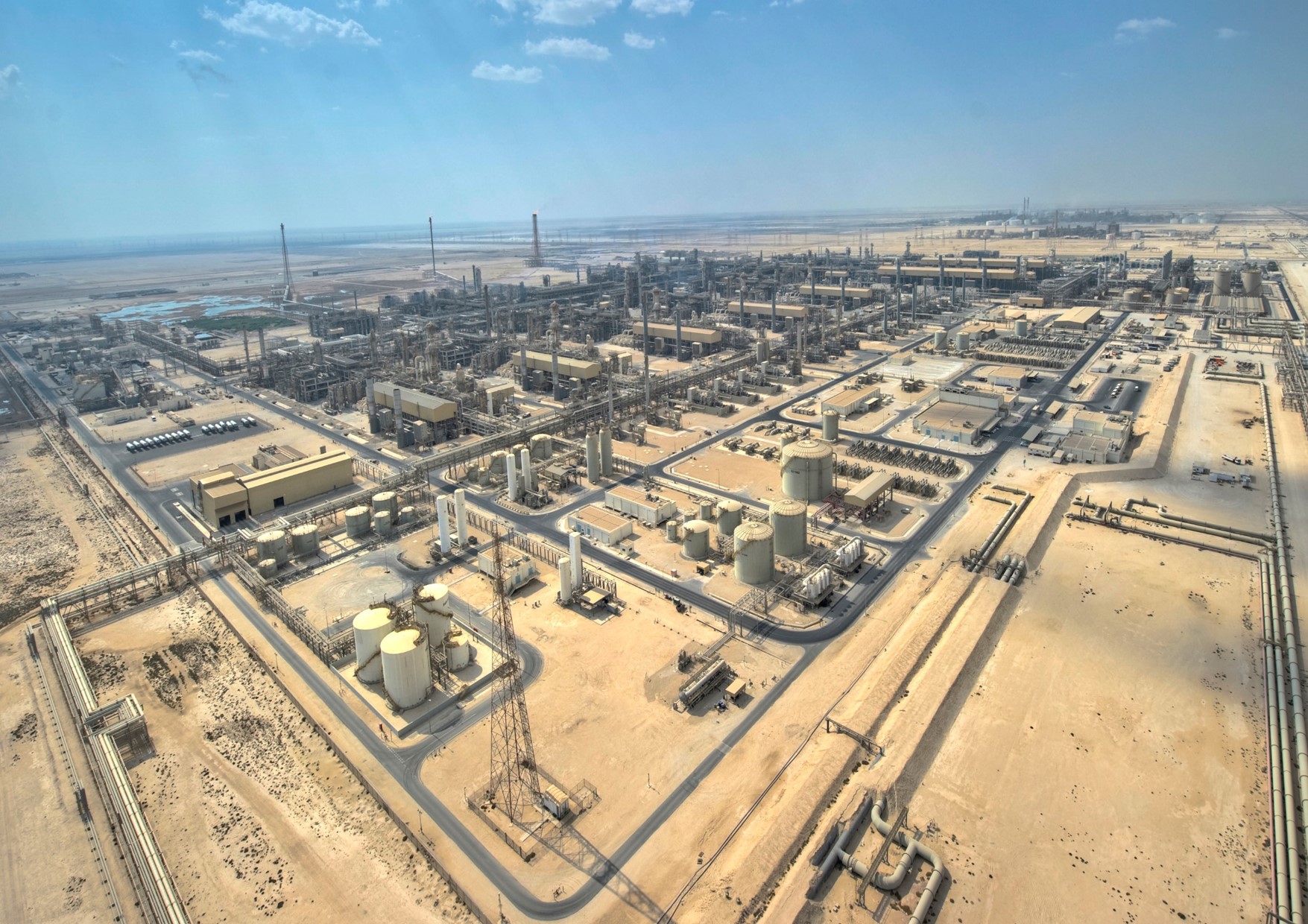
In 2017, Qatar produced 18.1 billion cubic feet of natural gas per day (bcfd). Almost all natural gas comes from various developments on the North Field, which is considered the largest non-associated gas structure in the world. The field has a combined processing and export capacity of 77.4 million tons per annum (mtpa) of liquefied natural gas (LNG), according to data and analytics company, GlobalData. The Qatargas and Rasgas projects are the largest contributors to production on the field and are joint ventures between Qatargas and various major international oil and gas companies, such as ExxonMobil and Total.
Feature Articles
Cooper’s Sole-3 gas well exceeds requirements ahead of production
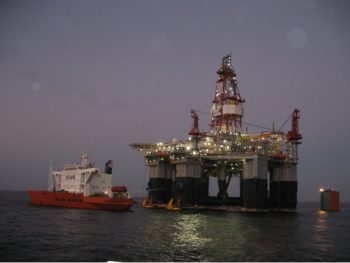
Cooper Energy has announced that Sole-3, the first of two production wells for the Sole Gas Project located offshore Victoria, is being shut-in for future connection after successful performance of clean-up and flow back operations. Cooper, operator with a 100% interest in the Sole-3 well, located in VIC/L32, said the clean-up and flow back test was conducted on the near-horizontal 97 meter completed section of the Top Latrobe Group sandstone reservoir over a 26-hour period. Analysis of the test data has confirmed that well performance and reservoir deliverability are consistent with pre-drill expectations, Cooper said on Friday.
APPEA calls out fake news on Australian wholesale gas prices
The latest international survey of wholesale gas prices confirms that Australian prices are amongst the lowest in the Asia region, according to the Association of Petroleum Production and Exploration Association (APPEA). This follows the International Gas Union’s Wholesale Gas Price Survey 2018 revealing that the average wholesale gas price in Australia last year ($US4.62/MMBTU[1]) was about 40 per cent less than the average wholesale price for the Asia‑Pacific region and around one-third less than the average wholesale price in Asia. Australia’s leading trade partners Japan, South Korea and China all paid average wholesale gas prices between $US7 and over $US8/MMBTU.
Future environmental leaders receive scholarships from Harry Butler Institute
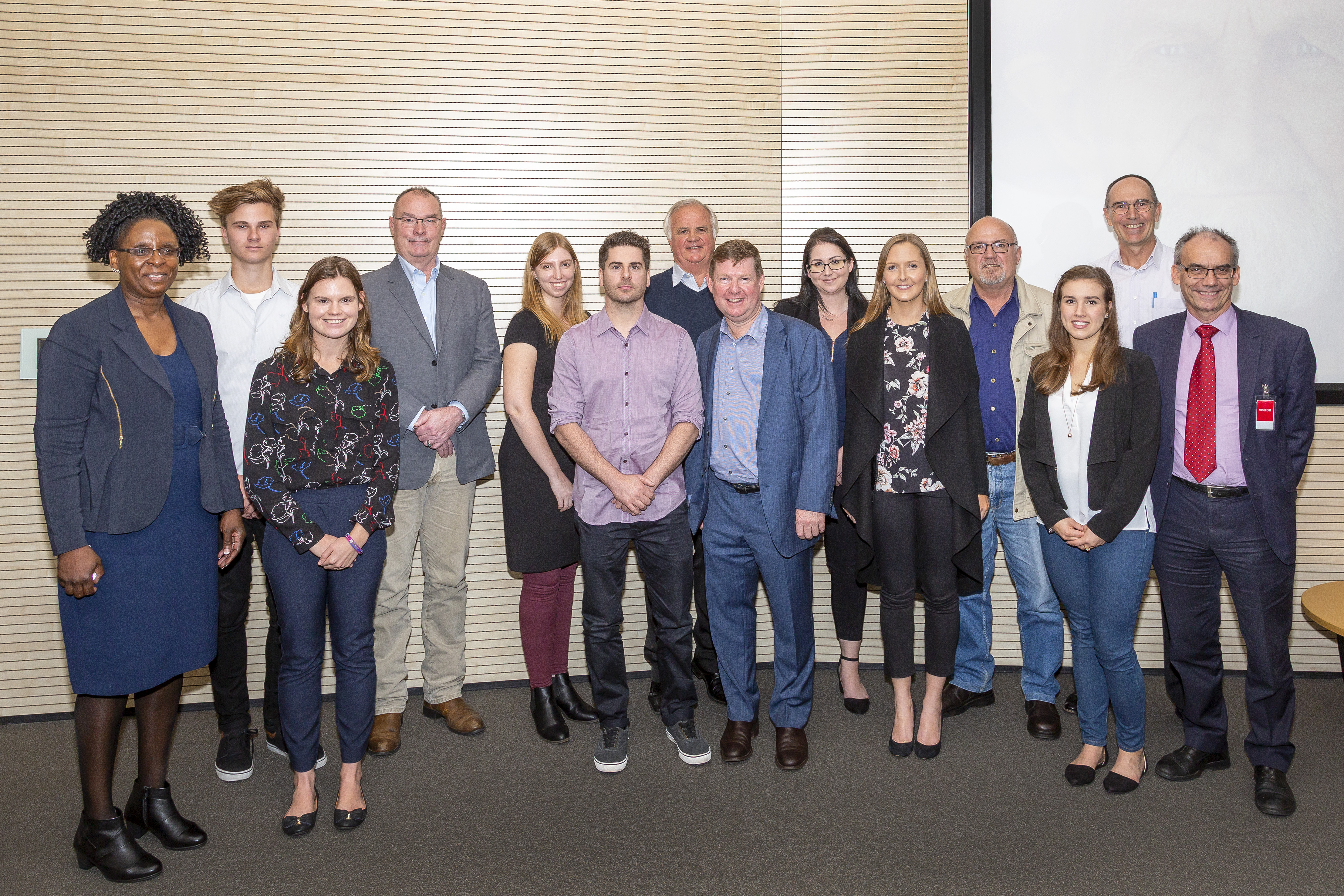
Six future environmental custodians have earned a unique opportunity to protect the wilderness with their Honours studies at Murdoch University. Ebony Cowan, Kyle Stewart, Lauren Peck, Monique Stafford-Smith, Megan Evans and Nicholas Watson received scholarships from the Harry Butler Institute, a research partnership between Murdoch University and global energy producer Chevron, to ensure the co-existence of biodiversity with business and community at different locations in Western Australia.
Bass Oil negotiates extension terms for acquisition of Indonesian oil field
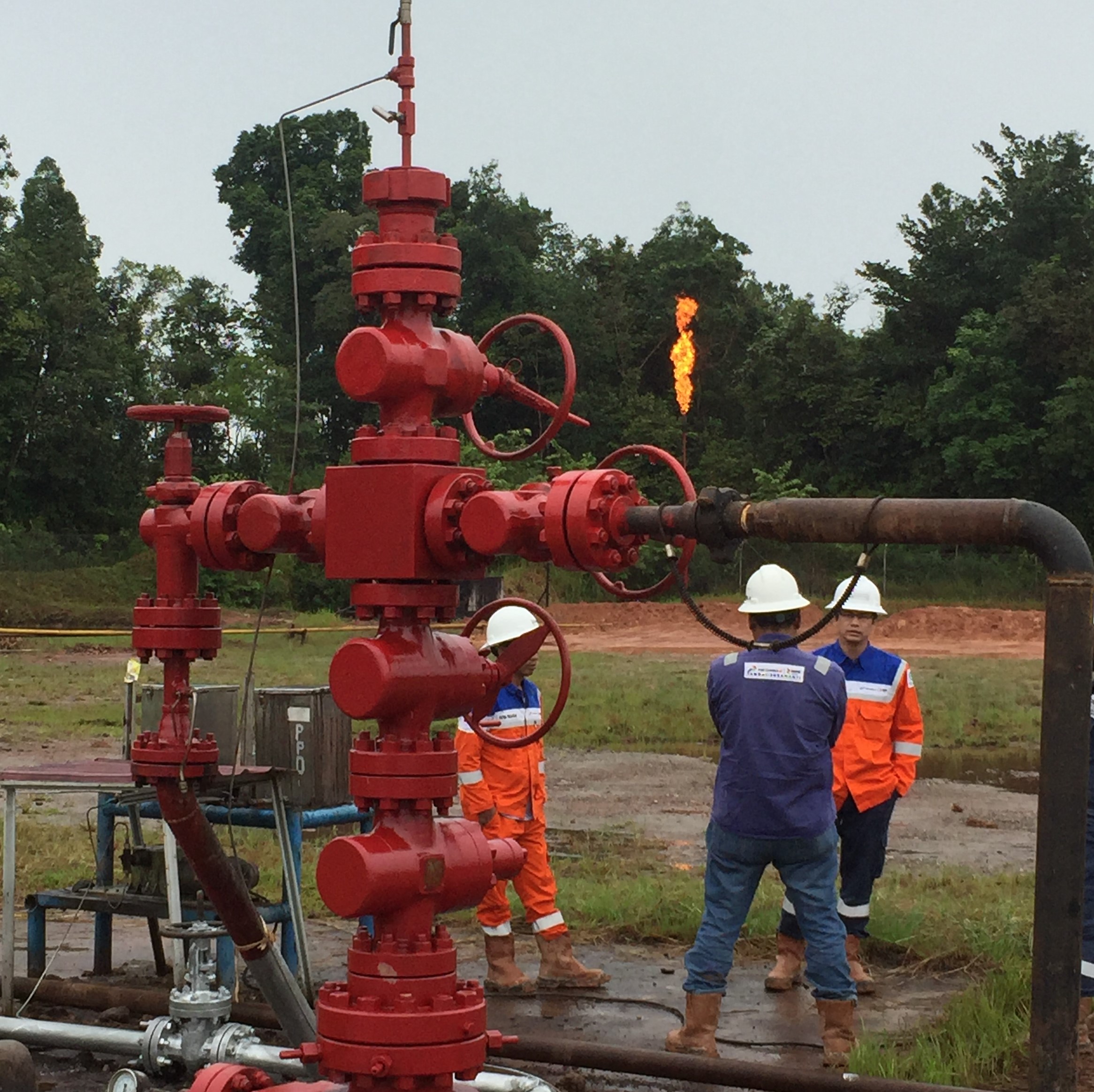
Bass Oil Limited says it has negotiated an extension of its settlement terms with Cooper Energy for the acquisition of its 55% interest in the Tangai-Sukananti KSO in South Sumatra. Under the agreed new payback terms, the timetable for a third payment of $500,000, due 30 September this year, has been deferred until 31 March next year. The fourth and final payment of $770,000, due to be paid by Bass to Cooper Energy by 31 December this year, has now been deferred until 30 June 2019.
Australian Gas Infrastructure Group awarded $170 million N.T. natural gas pipeline contract
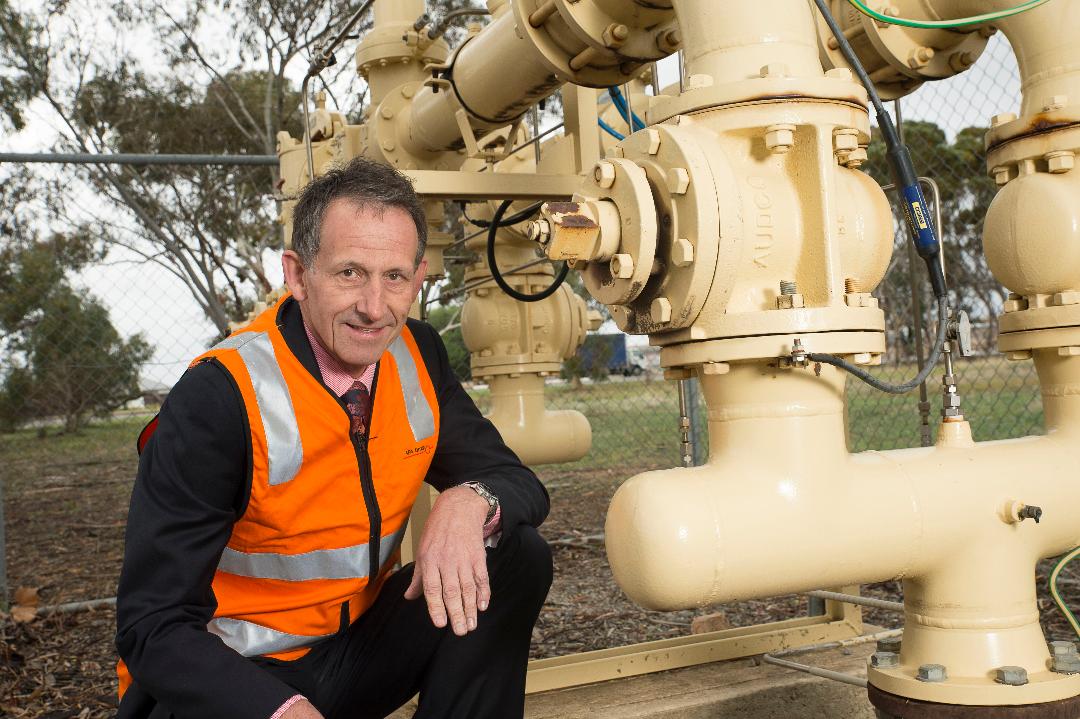
Australian Gas Infrastructure Group (AGIG) has been awarded the contract to build a new $170 million Northern Territory gas pipeline for Newmont Mining Corporation. The contract is for AGIG to build, own and operate the new 440-kilometre pipeline which will transport natural gas to Newmont’s Tanami mine sites, about 540km north-west of Alice Springs, in the Northern Territory. The pipeline – to be called the Tanami Gas Pipeline – will connect to the existing Amadeus Gas Pipeline, about 180km north-west of Alice Springs, and link up with supply of gas to Newmont’s Tanami facilities.
Still ‘plenty of discoveries to be made’ on the Norwegian shelf
The Norwegian Petroleum Directorate (NPD) says new and larger discoveries will have to be made for Norway to maintain production of oil and gas after the mid-2020s. This was revealed in the Norwegian regulator’s 2018 Resource Report for Exploration, published on 21 June. The report concludes that there is much remaining oil and gas on the Norwegian shelf, providing significant opportunities in both mature and less explored areas. Increased knowledge, more and improved data, new work methods and new technology will create new exploration possibilities and can yield more profitable discoveries.
Oil demand tipped to top 2 million barrels a day extra in 2H
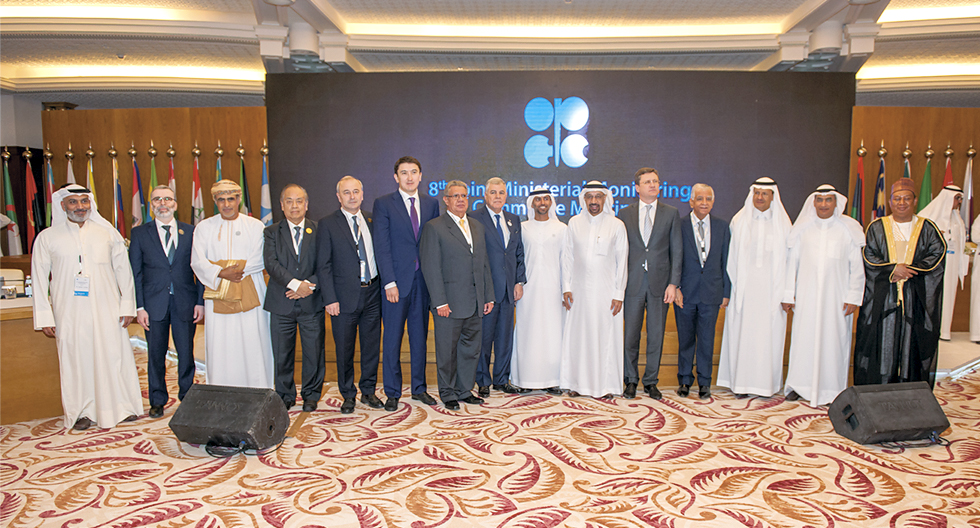
The worst kept secret in the oil world this week is how much Russia and Saudi Arabia plan to increase output to cool rising crude prices in the coming weeks, the popular estimation suggesting that the spigots could open up to about 700,000 barrels a day in the second half of 2018. Brent crude fell over 1.5% to US$74.21 at the start of this week and was 1.8% down on their last close, having initially risen on Friday after the OPEC agreement had failed to meet confirmed expectations of a 1 to 1.
New Harry Butler Science Centre opened on Barrow Island
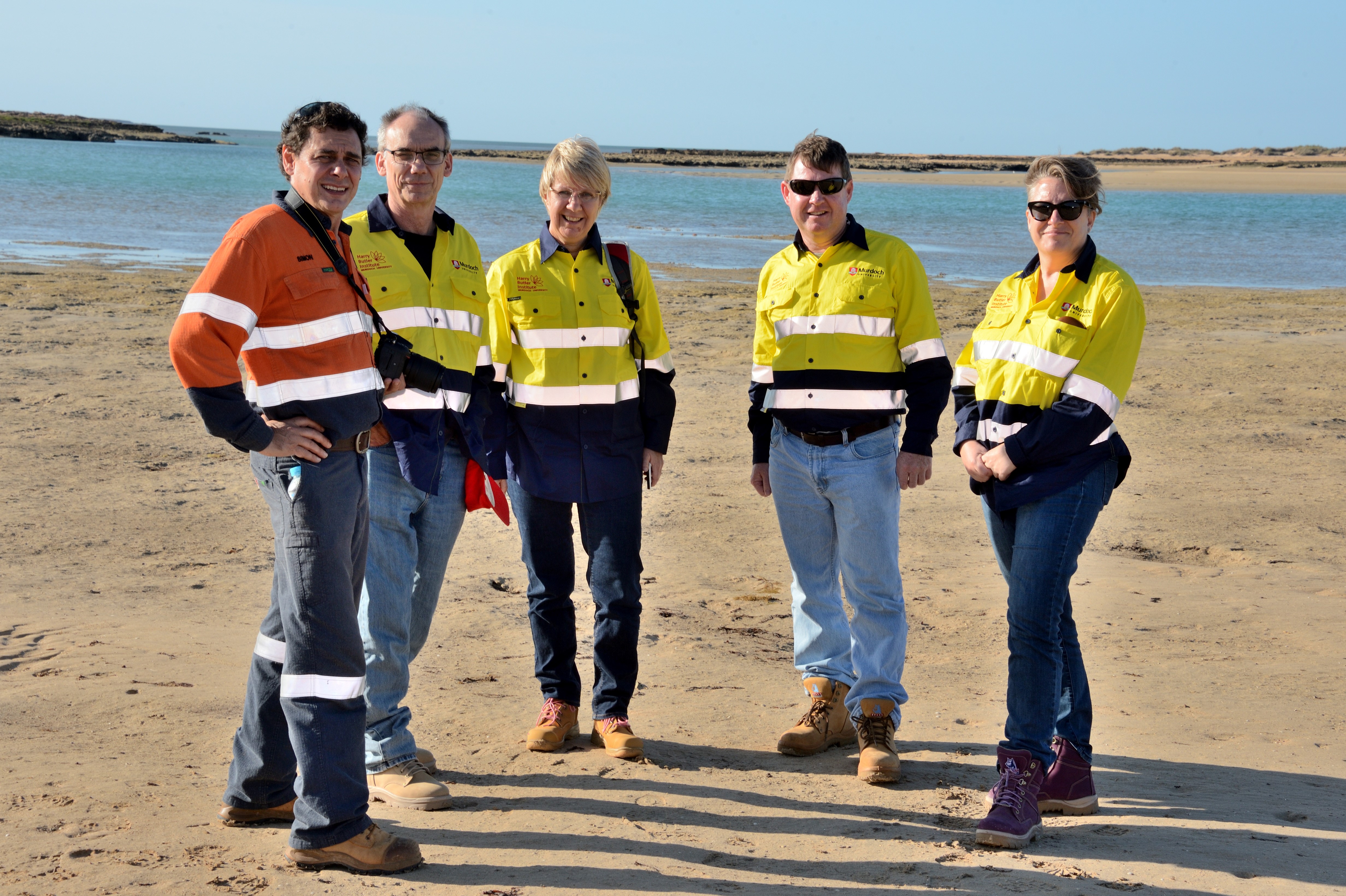
The Harry Butler Science Centre, named in honour of the Australian environmental pioneer, was officially opened on Barrow Island last week by Chevron and Murdoch University as partners of the University’s Harry Butler Institute. Representatives from Murdoch University, Chevron and the Department of Biodiversity, Conservation and Attractions travelled to Barrow Island to launch the Centre and tour both Chevron’s oil and gas production facilities and the ‘Class A’ nature reserve of Bandicoot Bay.
Global LNG capacity is set to soar
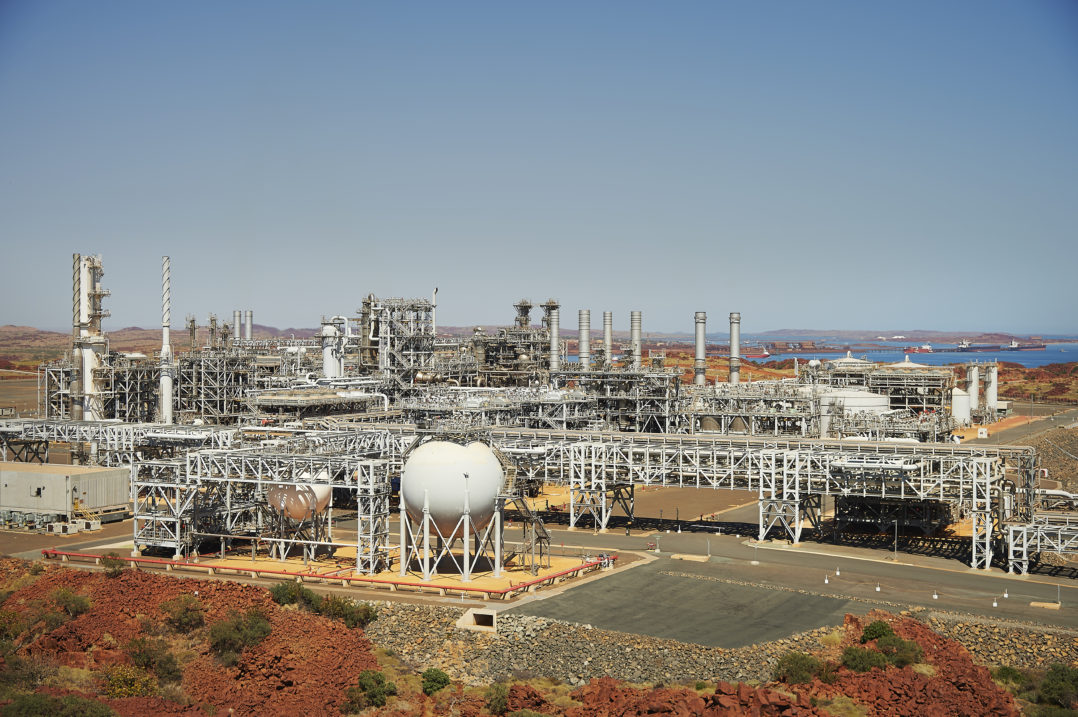
Global liquefied natural gas (LNG) liquefaction capacity is expected grow 117% from 419 million tonnes per annum (mtpa) in 2018 to 907mtpa in 2022, according to data and analytics company, GlobalData. In regional terms, North America continues to lead in terms of planned and announced liquefaction capacity growth, contributing 82% of the total global growth. The region is expected to add 400 mtpa of liquefaction capacity by 2022. Africa and Oceania follow with expected capacity additions of 37 mtpa and 26 mtpa, respectively. From a country perspective, the US leads in terms of planned liquefaction capacity additions with 259 mtpa.