
China’s upstream industry is turning to natural gas as a way to reduce air pollution created by the consumption of coal. However, despite the progress made in the shale gas industry since 2011, China has been facing challenges to develop efficient shale gas extraction, according to data and analytics company GlobalData. With 27 trillion cubic feet (tcf) of proven shale gas reserves China has emerged as the world’s largest shale gas producer outside the U.S. and Canada.
Industry
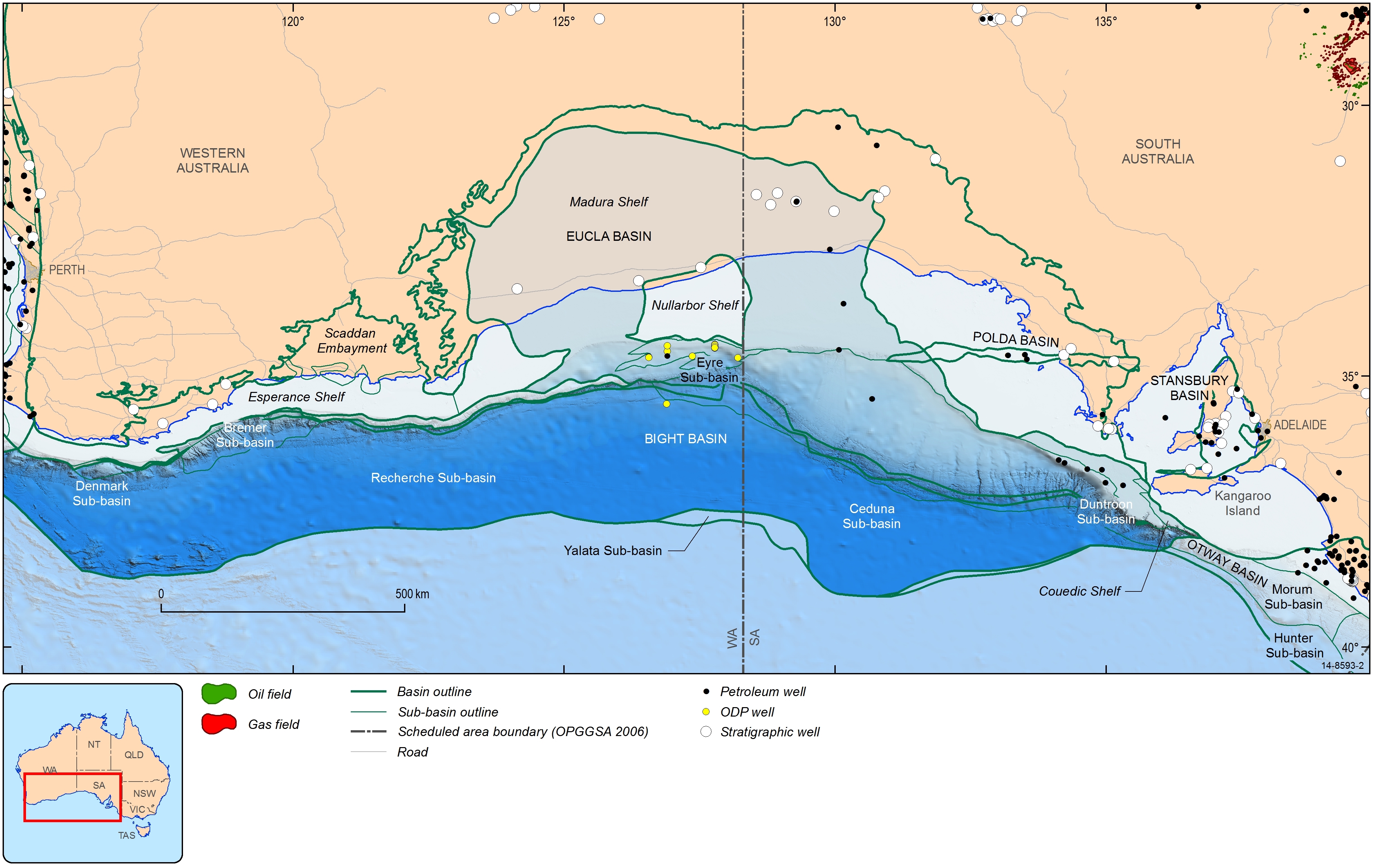
Bight offers huge benefits for State and nation
Potential Bight benefits great for State and nation Successful oil exploration in the Great Australian Bight could see the creation of more than 2,000 jobs in South Australia and generate over $7 billion in average annual tax revenue to Federal and State governments over the next four decades, a new study has found. The indirect benefits of the activity and the associated tax revenue could see almost 5,000 jobs created across Australia in the period between 2020 and 2060.
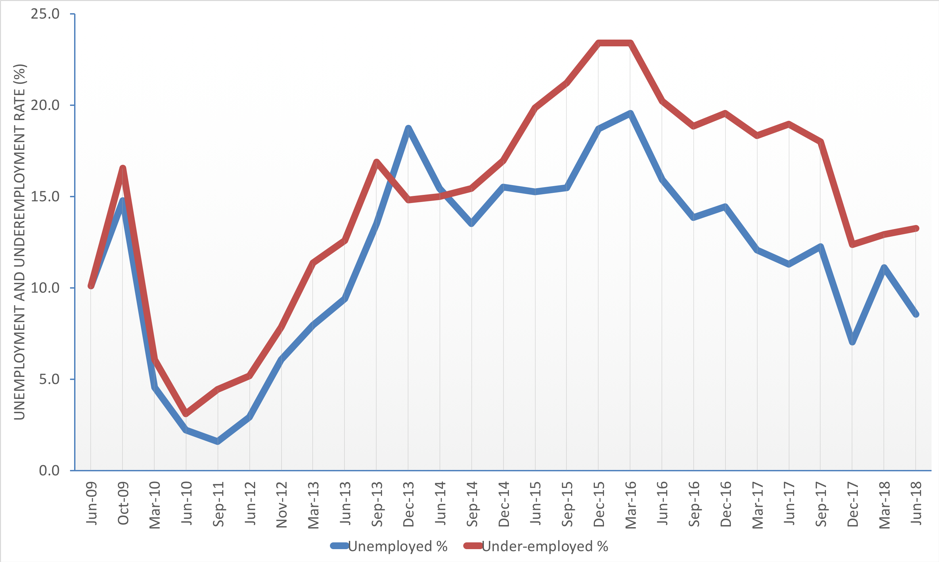
Employment recovery back on track for Geos – but no sign of a boom
The recovery in employment opportunities for Australia’s geoscientists resumed in the June quarter, with the unemployment rate falling to 8.5% from 11.1% in March. A small increase in the underemployment, or skills underutilisation rate was observed, with 12.9% in March coming in at 13.2% in the latest Australian Institute of Geoscientists survey. This survey series experienced continued, strong support from Australian geoscientists with just over 700 responses received from across Australia. The number of responses increased in every state. AIG spokesperson Andrew Waltho welcomed the survey results.
User
[ultimatemember form_id=70559]
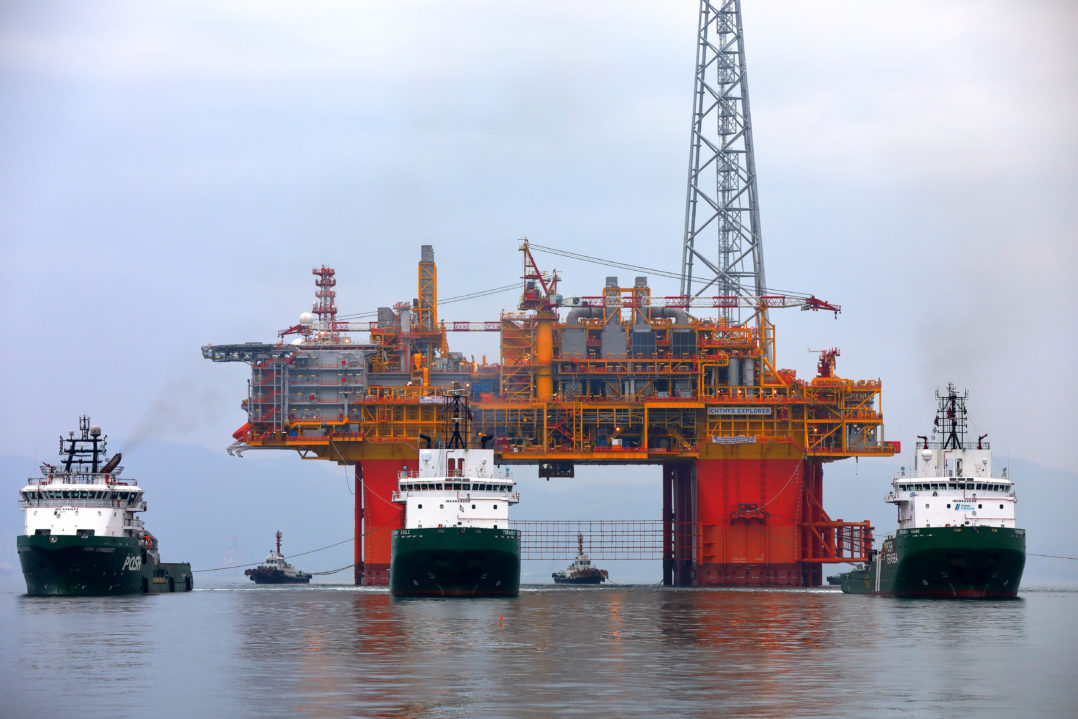
The Ichthys train finally arrives at the station
One cannot be sure what as more audible. The whoosh of hydrocarbons or the sighs of relief in Japan as Inpex’s belated Ichthys LNG project finally delivered first gas to begin an expected 40-years of production. While Tokyo boasts the most punctual trains in the world - marginally superior to the Swiss – at the Ichthys field offshore Western Australia it was a case of better late than never yesterday as Inpex proudly announced the milestone moment from its flagship project.
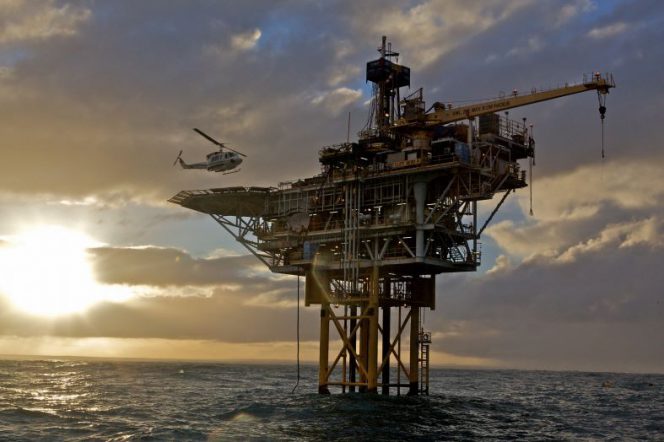
Triangle Energy says no spilled hydrocarbons sighted after Cliff Head Alpha shut-in
Triangle Energy has asserted that no hydrocarbons were sighted in the marine environment or shoreline following a “low-level spill” and shut in at the Cliff Head Alpha platform in the Perth Basin, 14km offshore Western Australia. Severe weather and rough seas last Tuesday caused a small crack in the flow meter on the CH6 Well, prompting the suspension of production and the launching of an Oil Pollution Emergency Plan (OPEP) to conduct safety and environmental assessments. Triangle Energy said in a statement that the loss of produced fuel comprised zero to 10,000 litres.

Schlumberger flags accelerated E&P spending
Schlumberger has posted second-quarter revenue of US$8.3 billion, an increase of 11% compared to a year ago, and is flagging an increase in exploration and production spending in a brightening disposition. The company said revenue was primarily lifted by a 43% lift in operations in North America to US$3.1 billion. Schlumberger said offshore activity began to recover during the second quarter with new drilling projects in Eastern Canada, the US Gulf of Mexico, and the Caribbean, resulting in sequential offshore revenue growth of 22%.

OGA offers frontier blocks in 31st offshore licensing round
The Oil and Gas Authority (OGA) has launched the 31st Offshore Licensing Round, offering blocks in frontier areas of the UK Continental Shelf (UKCS), supported by government-funded data to stimulate interest in these under-explored basins and assist companies in their activities. A total of 1766 blocks (370,000 km2) of open acreage is now available across the West of Scotland, the East Shetland Platform, the Mid North Sea High, South West Britain and parts of the English Channel, covered by over 80,000 km of high-quality, publicly-available seismic data generated through the 2015 and 2016 Government seismic programmes.
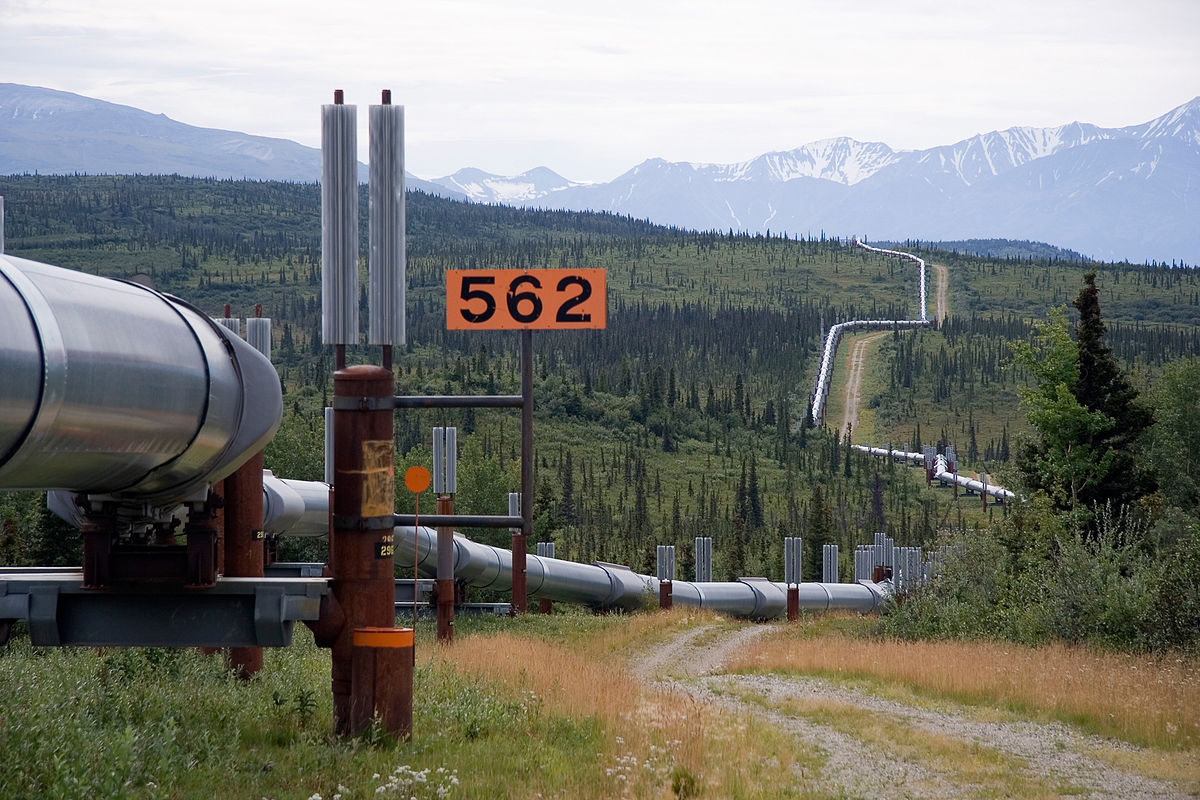
First production from large Alaskan discoveries hamstrung by lack of infrastructure
Since 2015 a few major oil discoveries were announced on the North Slope Alaska basin that together could add at their peak approximately 450 thousand barrels per day (mbd) to the Trans Alaska Pipeline System (TAPS), says GlobalData, a leading data and analytics company. These include Smith Bay, Horseshoe, Pikka, Willow and Liberty oil discoveries. In the short term, boosting the volume of oil transported through the TAPS depends greatly on the fields located within the National Petroleum Reserve-Alaska (NPR-A). Currently, around 544 thousand barrels of oil flows daily through the TAPS.
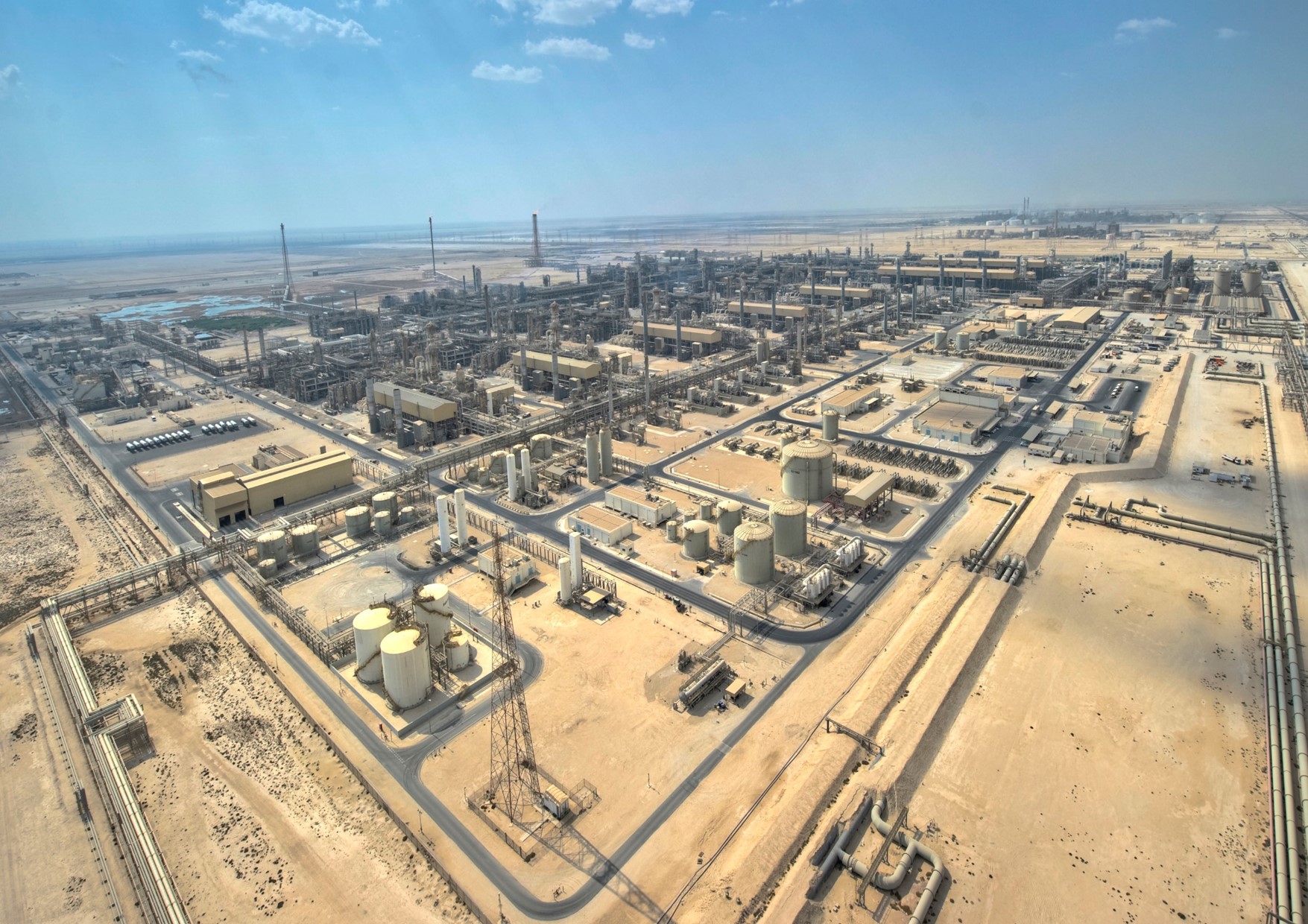
‘Qatar to maintain LNG dominance despite regional embargo’
In 2017, Qatar produced 18.1 billion cubic feet of natural gas per day (bcfd). Almost all natural gas comes from various developments on the North Field, which is considered the largest non-associated gas structure in the world. The field has a combined processing and export capacity of 77.4 million tons per annum (mtpa) of liquefied natural gas (LNG), according to data and analytics company, GlobalData. The Qatargas and Rasgas projects are the largest contributors to production on the field and are joint ventures between Qatargas and various major international oil and gas companies, such as ExxonMobil and Total.