

• Member Login
  • |
  • Join Now
PESA - Energy Geoscience

Promoting Professional and Technical Excellence in Energy Geoscience – Networking, On-going Professional Education, Monthly Technical Meetings

  • Home
  • About
    • About PESA
    • Objectives
    • PESA History
    • PESA Affiliates
    • Constitution and Rules
    • Strategic Plan
  • Events
    • Online
    • NSW / ACT
    • QLD
    • SA / NT
    • VIC / TAS
    • WA
    • Industry
    • Social
    • Past Events
  • Membership
    • Join Us
    • APPEA Conference Discounts
    • AEGC 2025 Travel Bursaries
    • PESA Membership Awards
  • Latest News
    • All News
    • Feature Articles
    • Industry
    • Company Updates
    • Tech Talk (public)
    • PESA Branch Activities
  • Library
    • Technical Library
    • PESA Gazette
    • Webinars
    • PESA News Magazine
    • Knowledgette Recordings
  • Scholarships
  • Employment
    • View Job Opportunities
    • Submit Job
  • Contact

The role of fracture stimulation in the development of the Tirrawarra Field

17/12/1989 by Sharperedge

The role of fracture stimulation in the development of the Tirrawarra Field


Download Section

Please log in to download this file.

Alternatively, you can search for this item and individually purchase it from the PESA collection at AAPG DataPages

PESA collection at AAPG DataPages

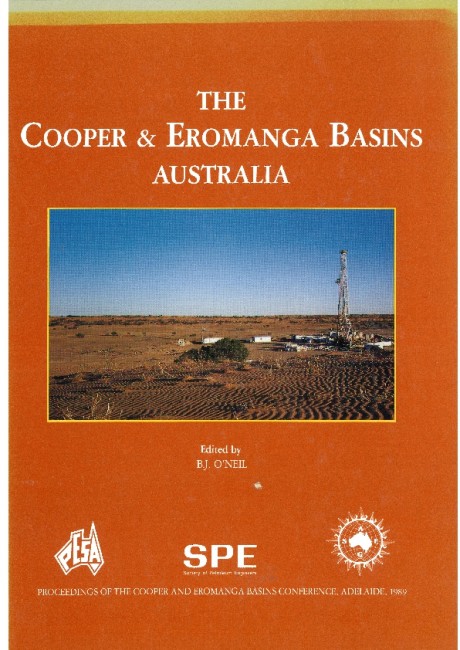
Publication Name: The Cooper & Eromanga Basins Australia

Authors: G. B. Salter

Date Published: June 1989

Number of Pages: 21

Reference Type: Book Section

Abstract:

The Tirrawarra Field is located in the South Australian sector of the Cooper Basin and produces gas from the
Patchawarra Formation and oil and associated gas from the Tirrawarra Sandstone. This paper addresses the role of fracture stimulation in the development of the Tirrawarra oil reservoir only.
Oil production commenced in 1983 and a pilot gas injection scheme was initiated in 1984 to arrest the decline
in production. The success of this scheme led to the implementation of an expanded enhanced oil recovery (EOR) scheme involving a pattern flood of the higher quality areas of the reservoir. Moderate reservoir quality has required some in-fill drilling. However, hydraulic fracture stimulation has been a major factor in attaining
current productivity.
The first fracture stimulation treatment on the Field was performed in 1971 although the majority of treatments
have been performed on development wells since 1981. A total of 39 treatments have been performed to date
including three re-fractures. Typical treatments consist of placing 100 000-180 000 Ibm (45 000-82 000 kg) of sand and/or intermediate strength proppant with 50 000-100 000 gal (190-380 m3) of water-based crosslinked gel.
The results of post-fracture well test analyses indicate reasonable fracture properties are achieved and stabilised productivity/injectivity index increases typically average between two and three times. It is estimated that the number of unstimulated wells required to attain current productivity would render the project uneconomic. Specifically, fracture stimulation has enabled the EOR scheme to go ahead by increasing productivity and injectivity in the EOR pattern and increased economic reserves in the lower permeability areas of the reservoir. The success of fracture stimulation has therefore been fundamental to the development of the Tirrawarra Field.

Tags: development field Fracture stimulation Tirrawarra

PESA - Energy Geoscience

PESA Energy Geoscience is a non-profit association of individuals involved in the exploration of oil and gas.

Connect with us

Subscribe to our newsletter and stay on the loop of what is happening in the field of Energy Geoscience and events near you.

pesa newsletter
* indicates required

PESA Energy Geoscience will use the information you provide on this form to be in touch with you and to provide updates and marketing. Please confirm you give us permission to contact you via your email address:

You can change your mind at any time by clicking the unsubscribe link in the footer of any email you receive from us. We will treat your information with respect. For more information about our privacy practices please visit our website. By clicking below, you agree that we may process your information in accordance with these terms.

We use Mailchimp as our marketing platform. By clicking below to subscribe, you acknowledge that your information will be transferred to Mailchimp for processing. Learn more about Mailchimp's privacy practices.

Copyright © 2025 PESA - Energy Geoscience. All Rights Reserved.

  • Advertise
  • Contact
  • Policies
  • Privacy
  • Terms & Conditions