

• Member Login
  • |
  • Join Now
PESA - Energy Geoscience

Promoting Professional and Technical Excellence in Energy Geoscience – Networking, On-going Professional Education, Monthly Technical Meetings

  • Home
  • About
    • About PESA
    • Objectives
    • PESA History
    • PESA Affiliates
    • Constitution and Rules
    • Strategic Plan
  • Events
    • Online
    • NSW / ACT
    • QLD
    • SA / NT
    • VIC / TAS
    • WA
    • Industry
    • Social
    • Past Events
  • Membership
    • Join Us
    • APPEA Conference Discounts
    • AEGC 2025 Travel Bursaries
    • PESA Membership Awards
  • Latest News
    • All News
    • Feature Articles
    • Industry
    • Company Updates
    • Tech Talk (public)
    • PESA Branch Activities
  • Library
    • Technical Library
    • PESA Gazette
    • Webinars
    • PESA News Magazine
    • Knowledgette Recordings
  • Scholarships
  • Employment
    • View Job Opportunities
    • Submit Job
  • Contact

The Lennard Shelf Revisited

18/12/1998 by Sharperedge

The Lennard Shelf Revisited


Download Section

Please log in to download this file.

Alternatively, you can search for this item and individually purchase it from the PESA collection at AAPG DataPages

PESA collection at AAPG DataPages

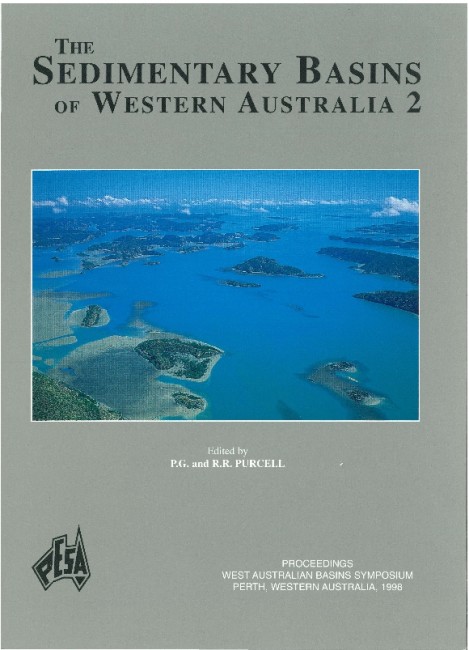
Publication Name: The Sedimentary Basins of WA

Authors: Angelo Crostella

Publication Volume: 2

Date Published: December 1998

Number of Pages: 27

Reference Type: Book Section

Abstract:

Hydrocarbon exploration in the Lennard Shelf was prompted by the occurrence of Devonian reefs, outcropping spectacularly in the region. Following the discovery of accumulations within clastic reservoirs, Permo-Carboniferous rocks became the focus of drilling activities. Carbonates of the Blina Field, however, contain twice the total reserves in clastic reservoirs in all the other fields. A success ratio of onein- seven has been obtained with the discovery of six small oil fields.
Fractures play an important role in both the migration and the accumulation of the hydrocarbons. Migration is interpreted to occur from more deeply buried mature source rocks of the Fitzroy Graben to the Lennard Shelf via transfer faults and into the Nullara Limestone which appears to have good reservoir potential when fractured. The development of structures in the carbonates is related to midCarboniferous tectonism characterised by strike-slip movements. Fractures, and therefore oil accumulations, are to be found in proximity to these
high-angle faults.
Although the discovered oil fields are small and their economic value hampered by the remoteness of the region, there is scope for further and possibly more attractive discoveries of both oil and gas. They, in turn, would result in the upgrading of the present petroleum infrastructure and, by consequence, increase the economic value of any investment.

Tags: Lennard revisited shelf.

PESA - Energy Geoscience

PESA Energy Geoscience is a non-profit association of individuals involved in the exploration of oil and gas.

Connect with us

Subscribe to our newsletter and stay on the loop of what is happening in the field of Energy Geoscience and events near you.

pesa newsletter
* indicates required

PESA Energy Geoscience will use the information you provide on this form to be in touch with you and to provide updates and marketing. Please confirm you give us permission to contact you via your email address:

You can change your mind at any time by clicking the unsubscribe link in the footer of any email you receive from us. We will treat your information with respect. For more information about our privacy practices please visit our website. By clicking below, you agree that we may process your information in accordance with these terms.

We use Mailchimp as our marketing platform. By clicking below to subscribe, you acknowledge that your information will be transferred to Mailchimp for processing. Learn more about Mailchimp's privacy practices.

Copyright © 2025 PESA - Energy Geoscience. All Rights Reserved.

  • Advertise
  • Contact
  • Policies
  • Privacy
  • Terms & Conditions