

• Member Login
  • |
  • Join Now
PESA - Energy Geoscience

Promoting Professional and Technical Excellence in Energy Geoscience – Networking, On-going Professional Education, Monthly Technical Meetings

  • Home
  • About
    • About PESA
    • Objectives
    • PESA History
    • PESA Affiliates
    • Constitution and Rules
    • Strategic Plan
  • Events
    • Online
    • NSW / ACT
    • QLD
    • SA / NT
    • VIC / TAS
    • WA
    • Industry
    • Social
    • Past Events
  • Membership
    • Join Us
    • APPEA Conference Discounts
    • AEGC 2025 Travel Bursaries
    • PESA Membership Awards
  • Latest News
    • All News
    • Feature Articles
    • Industry
    • Company Updates
    • Tech Talk (public)
    • PESA Branch Activities
  • Library
    • Technical Library
    • PESA Gazette
    • Webinars
    • PESA News Magazine
    • Knowledgette Recordings
  • Scholarships
  • Employment
    • View Job Opportunities
    • Submit Job
  • Contact

The Geology and Genesis of the Narlarla Lead-Zinc Deposits, Napier Range, W.A.

17/12/1984 by Sharperedge

The Geology and Genesis of the Narlarla Lead-Zinc Deposits, Napier Range, W.A.


Download Section

Please log in to download this file.

Alternatively, you can search for this item and individually purchase it from the PESA collection at AAPG DataPages

PESA collection at AAPG DataPages

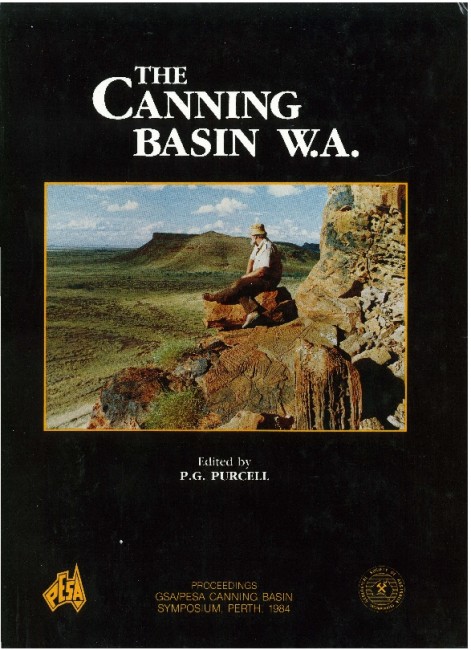
Publication Name: The Canning Basin, W.A.

Authors: C.R. Ringrose

Date Published: December 1984

Number of Pages: 19

Reference Type: Book Section

Abstract:

The ore bodies at Narlarla are located within the marginal-slope facies of a Devonian reef complex. They are situated just below the modern erosion surface which is approximately coincident with the Late Carboniferous
erosion surface.
The main ore body (No. 2) was originally an irregular, lensoidal breccia with elongation and lateral extensions parallel to, and controlled by, structures of the enclosing wallrock. Primary ore is mainly high-grade, composed of up to 80% botryoidal and skeletal, intergrown sphalerite (to 40%) and galena (to 30%) with only minor iron sulphides (to 10%). Textural interpretation indicates that sulphide was precipitated rapidly in open spaces with lesser amounts of ore formed laterally by replacement.
An aureole of green, friable host-rock consisting of chlorite, 'sanded' carbonate grains and detrital siliciclastics is associated with primary ore of the No. 2 deposit. Chloritisation is associated with the No. 1 deposit.
At both deposits significant secondary ore zones containing cerussite, smithsonite, hydrozincite etc. and modern gossanous zones also occur.
Warm, metal-bearing solutions, localised by minor faults and depositional structures, precipitated sulphide
where they intersected porous, fluid-saturated zones and generated penecontemporaneous alteration, brecciation and disruption of chloritised carbonate wallrock. Primary sulphides were later remobilised and metals redistributed by other fluids (?Late Carboniferous or younger, meteoric) and a secondary ore zone formed
in situ and in down-dip cavities.

Tags: Deposits Genesis geology Lead Napier Narlarla Range Zinc

PESA - Energy Geoscience

PESA Energy Geoscience is a non-profit association of individuals involved in the exploration of oil and gas.

Connect with us

Subscribe to our newsletter and stay on the loop of what is happening in the field of Energy Geoscience and events near you.

pesa newsletter
* indicates required

PESA Energy Geoscience will use the information you provide on this form to be in touch with you and to provide updates and marketing. Please confirm you give us permission to contact you via your email address:

You can change your mind at any time by clicking the unsubscribe link in the footer of any email you receive from us. We will treat your information with respect. For more information about our privacy practices please visit our website. By clicking below, you agree that we may process your information in accordance with these terms.

We use Mailchimp as our marketing platform. By clicking below to subscribe, you acknowledge that your information will be transferred to Mailchimp for processing. Learn more about Mailchimp's privacy practices.

Copyright © 2025 PESA - Energy Geoscience. All Rights Reserved.

  • Advertise
  • Contact
  • Policies
  • Privacy
  • Terms & Conditions