

• Member Login
  • |
  • Join Now
PESA - Energy Geoscience

Promoting Professional and Technical Excellence in Energy Geoscience – Networking, On-going Professional Education, Monthly Technical Meetings

  • Home
  • About
    • About PESA
    • Objectives
    • PESA History
    • PESA Affiliates
    • Constitution and Rules
    • Strategic Plan
  • Events
    • Online
    • NSW / ACT
    • QLD
    • SA / NT
    • VIC / TAS
    • WA
    • Industry
    • Social
    • Past Events
  • Membership
    • Join Us
    • APPEA Conference Discounts
    • AEGC 2025 Travel Bursaries
    • PESA Membership Awards
  • Latest News
    • All News
    • Feature Articles
    • Industry
    • Company Updates
    • Tech Talk (public)
    • PESA Branch Activities
  • Library
    • Technical Library
    • PESA Gazette
    • Webinars
    • PESA News Magazine
    • Knowledgette Recordings
  • Scholarships
  • Employment
    • View Job Opportunities
    • Submit Job
  • Contact

Interpretation of Additional Conodont Colour Alteration Data and the Thermal Maturation and Geothermal History of the Canning Basin, Western Australia

17/12/1984 by Sharperedge

Interpretation of Additional Conodont Colour Alteration Data and the Thermal Maturation and Geothermal History of the Canning Basin, Western Australia


Download Section

Please log in to download this file.

Alternatively, you can search for this item and individually purchase it from the PESA collection at AAPG DataPages

PESA collection at AAPG DataPages

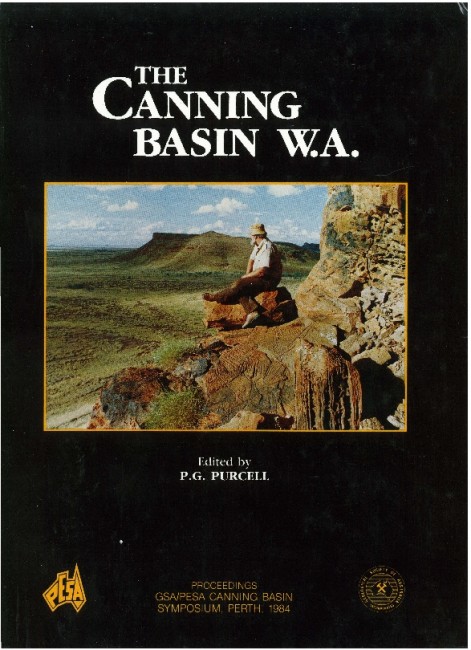
Publication Name: The Canning Basin, W.A.

Authors: Robert S, Nicoll and John D. Gorter

Date Published: December 1984

Number of Pages: 26

Reference Type: Book Section

Abstract:

Examination of conodont colour alteration (CAl) in samples from 59 petroleum exploration wells and extensive
outcrop collections along the northern margin of the Lennard Shelf forms the basis for a study of the thermal maturation and geothermal history of the Canning Basin. The thickness of the CAl intervals is highly variable and appears to show both local variation and regional trends. The CAl 1 interval is consistantly thicker than the CAl 1.5-3 intervals in all wells examined.
A thermal event, probably associated with the Late Devonian-Early Carboniferous aborted rifting episode, may be the source of heat flow which set the pattern of conodont colour alteration over most of the basin. The thermal event of Miocene Age, associated with the intrusion of the Fitzroy Lamproites in the Fitzroy Graben and Lennard Shelf, resulted in the high heat flows in areas adjacent to the lamproite intrusive complex. The Kidson Sub-basin in the southeast is the coolest part of the basin, with thicker CAl intervals than in other areas, and appears to have been outside the influence of either of these thermal events.

Tags: Australia. basin Canning Colour Conodont data geothermal history Interpretation maturation thermal

PESA - Energy Geoscience

PESA Energy Geoscience is a non-profit association of individuals involved in the exploration of oil and gas.

Connect with us

Subscribe to our newsletter and stay on the loop of what is happening in the field of Energy Geoscience and events near you.

pesa newsletter
* indicates required

PESA Energy Geoscience will use the information you provide on this form to be in touch with you and to provide updates and marketing. Please confirm you give us permission to contact you via your email address:

You can change your mind at any time by clicking the unsubscribe link in the footer of any email you receive from us. We will treat your information with respect. For more information about our privacy practices please visit our website. By clicking below, you agree that we may process your information in accordance with these terms.

We use Mailchimp as our marketing platform. By clicking below to subscribe, you acknowledge that your information will be transferred to Mailchimp for processing. Learn more about Mailchimp's privacy practices.

Copyright © 2025 PESA - Energy Geoscience. All Rights Reserved.

  • Advertise
  • Contact
  • Policies
  • Privacy
  • Terms & Conditions