
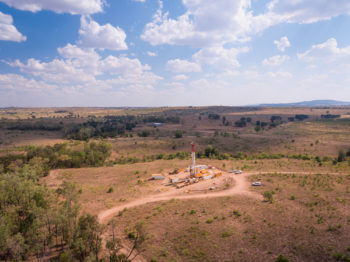
Senex Energy has begun its integrated natural gas drilling campaign, representing a major step towards full-scale production from its Surat Basin development projects. The drilling campaign comprises approximately 110 wells across Roma North and Project Atlas that will deliver natural gas to the 16 TJ/day (~6 PJ / 1 mmboe p.a.) processing facility at Roma North and the 40 TJ/day (~15 PJ / 2.5 mmboe p.a.) processing facility at Project Atlas. Drilling began at Roma North and will continue to the end of Q1 FY20 when the rig will start drilling at Project Atlas.
Latest News
NW of Shetlands insight with new generation of blended seismic
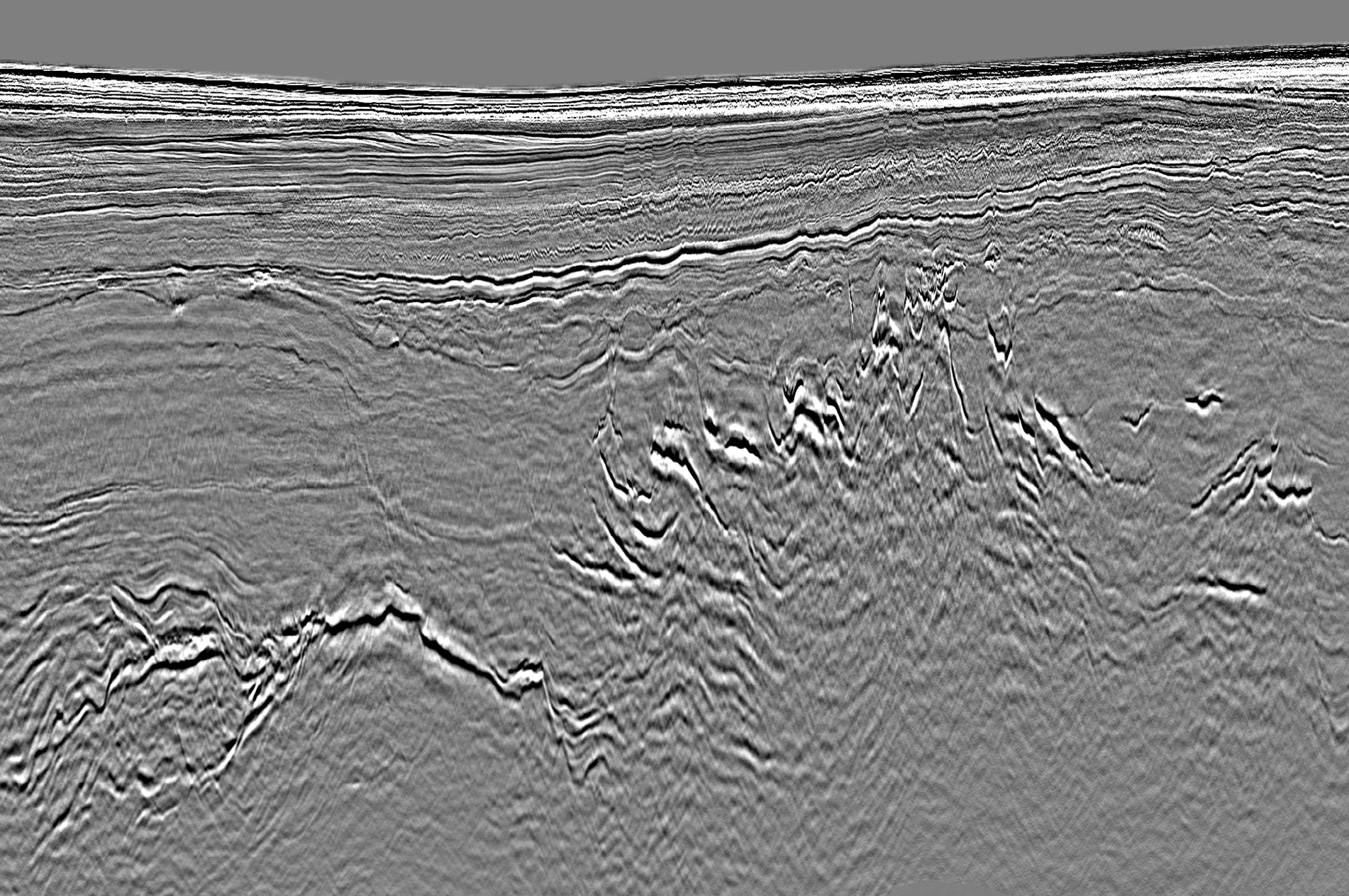
Step-change in source deblending enables bespoke, high-density acquisition designs to address difficult geological scenarios, CGG revealed in a recent release, highlighting advancements in seismic developments and a new world opening up in related spin-offs. Among many recent seismic technology advances, there has been a step-change in source deblending. This has enabled the design of surveys, which use multiple sets of simultaneous sources to provide bespoke imaging solutions for a range of challenging environments. Typically, this includes a dramatic increase in source density and the collection of additional offset-azimuth coverage without losing fold and near offset coverage.
Unemployment down but self-employed geoscientists continue to struggle
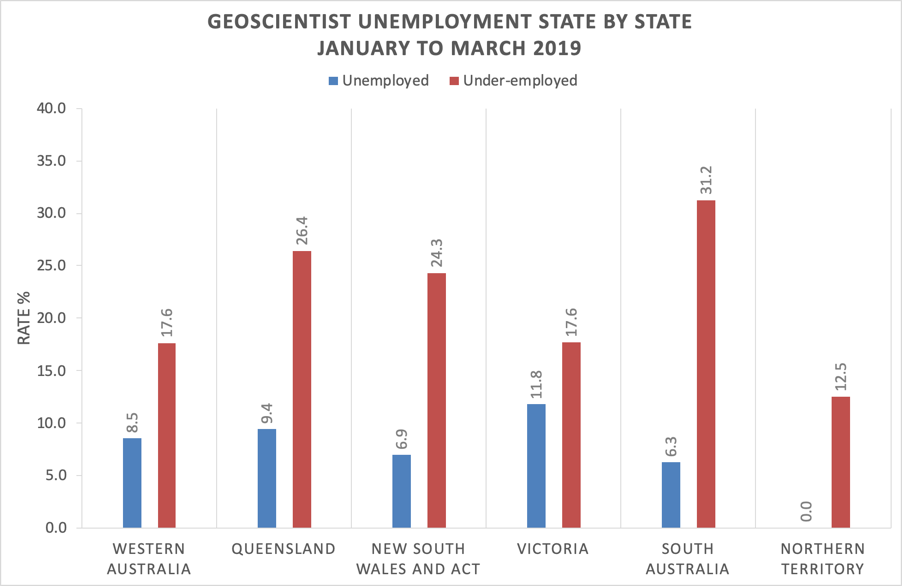
Unemployment amongst Australian geoscientists continued to fall during the first quarter of 2019. At 31 March 2019, the latest Australian Institute of Geoscientist’s (AIG) Employment Survey revealed an average unemployment rate of 7.5%, down from 9.1% recorded three months earlier at the end of December 2018. The underemployment rate amongst self-employed geoscientists, however, increased 2% to 20.5%, continuing an upturn in the self-employed’s unemployment rate evident in the December 2018 survey when a rate of 18.5% was recorded. The fall in geoscientist unemployment continues a gradual, downward trend that became evident in March 2016.
Searcher announced expansion of Argentina Data Library
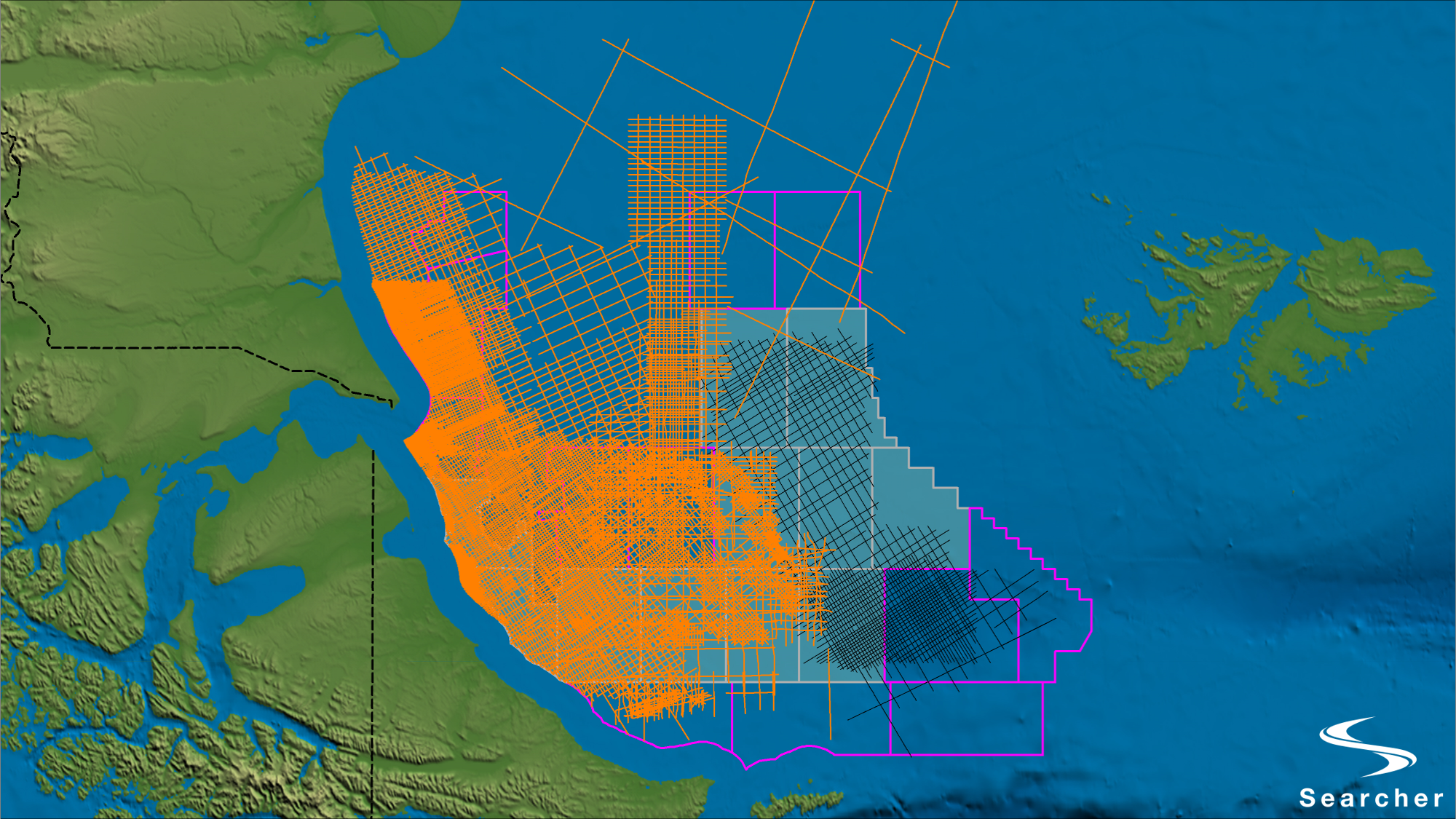
Searcher has announced the expansion of the Argentina Super-Tie 2D Reprocessing Project. Following the success of phase 1 which specifically targeted the recent offshore bid round, the project has now been extended to include all available offshore 2D seismic data in the Malvinas and Austral Basins, Searcher said. The reprocessing effort will utilize a modern broadband and AVO compliant workflow to both improve imaging quality and provide regionally consistent data coverage.
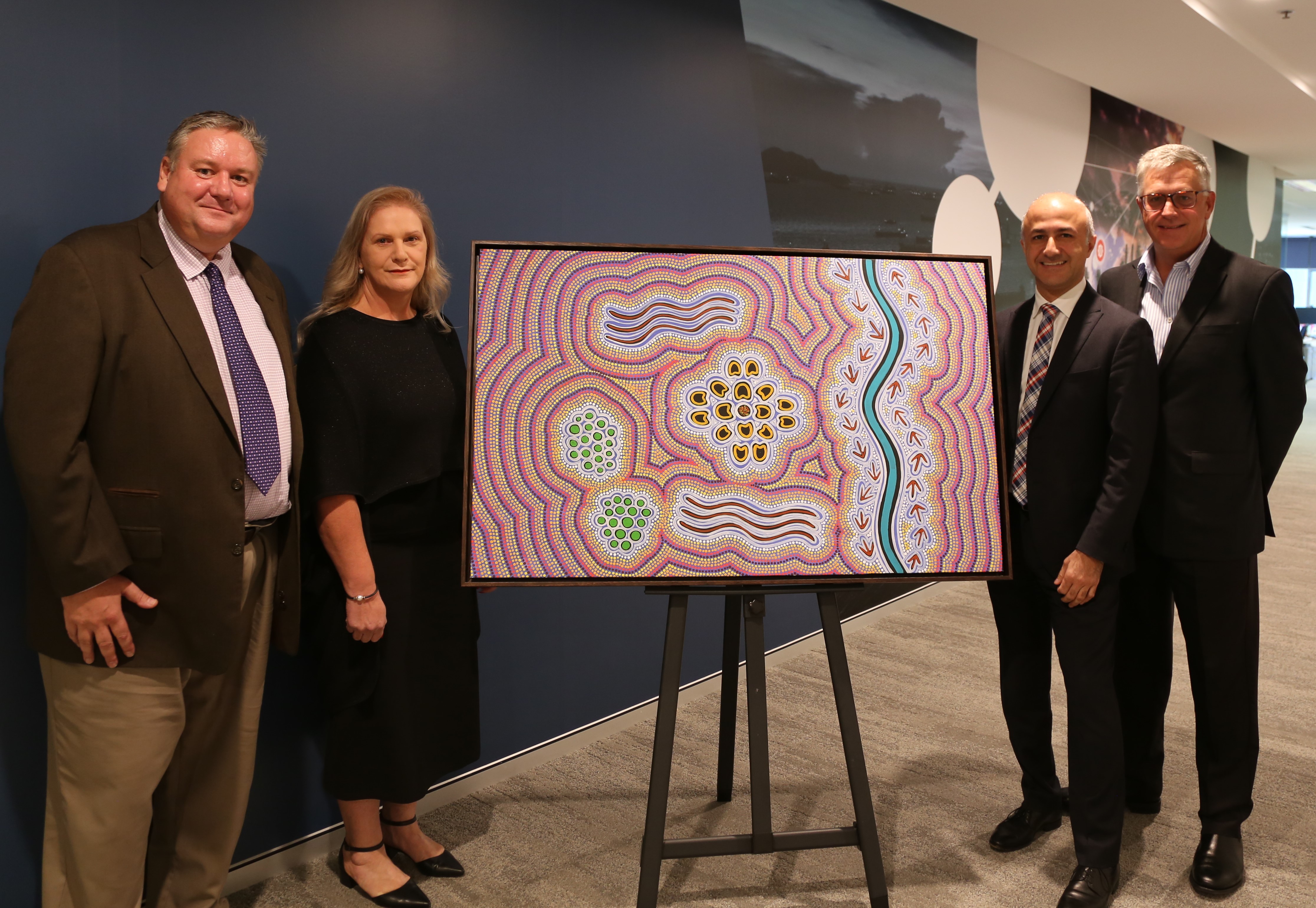
Wood to lead subsea integration and flow assurance for landmark subsea development in Australia
Wood has secured a new contract with Chevron Australia to provide subsea integration and flow assurance front-end engineering design (FEED) services for the Jansz-lo compression project offshore Western Australia. Effective immediately, the one-year contract will be delivered locally by Wood’s team based in Perth, harnessing local expertise and industry capability. The Jansz-lo compression project will maintain gas supply to the existing Gorgon LNG facility. Wood will lead as system integrator of the technology, providing independent flow assurance, subsea design, and construction engineering support during the FEED. This new contract extends Wood’s support of Chevron-operated major capital projects in Australia.
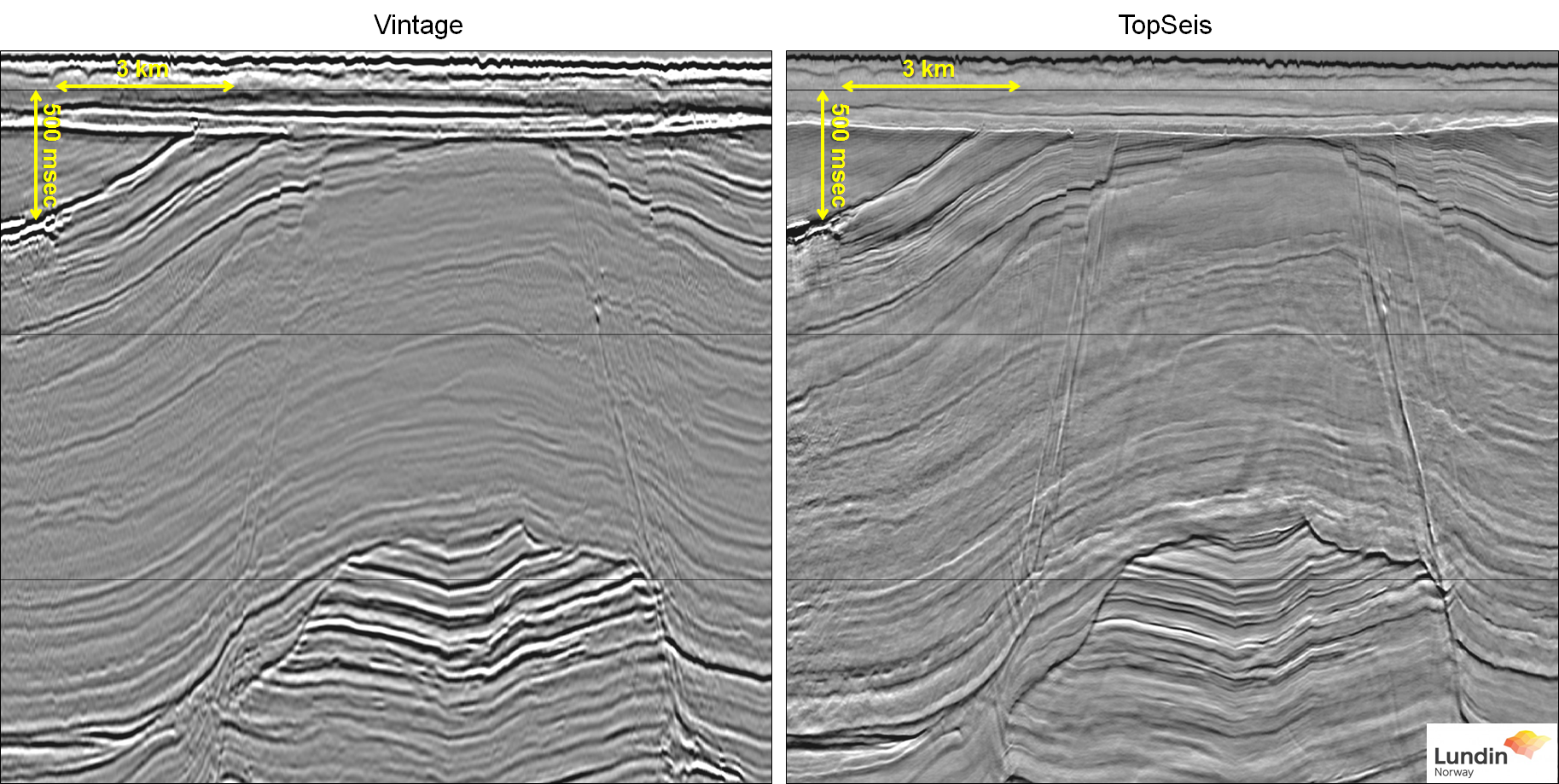
CGG and Lundin Norway win NCS Exploration Innovation Prize 2019 for TopSeis
CGG and Lundin Norway AS have been awarded the NCS Exploration Innovation Prize 2019 for TopSeis™, a next-generation marine source-over-spread acquisition and imaging solution that delivers a step-change in imaging by providing massively increased near-offset coverage from a split spread with zero offsets. The Exploration Innovation Prize is “awarded to a license group, company, team or person who, during the last couple of years, has given a courageous and innovative technological contribution in exploration for oil and gas on the Norwegian continental shelf.
PESA WA May Evening Talk – Laurence Letki
Laurence Letki’s presentation highlighted wave-equation based techniques, such as full waveform inversion (FWI), as an integral addition to the modeling toolbox. The talk demonstrated how modern computing power allows the use of high frequencies in FWI and the resultant resolution of finer details. The presentation was held at “The George” on Tuesday 21st May. Many thanks to Discover Geoscience, our evening talk sponsor.
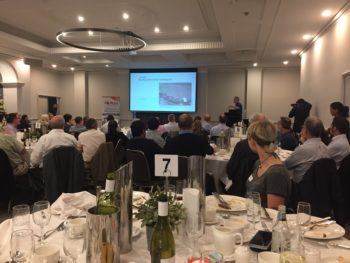
PESA WA May Branch Luncheon
“If you’ve got an unconventionals focused geologist in your company, go talk to them, you might be surprised at the learnings applicable to conventional hydrocarbon accumulations”. That was the takeaway from Avon McIntyre’s WA Branch May luncheon talk - “Bursting Source Rock and Strange Hydrocarbon Occurrences Around the World”. The presentation challenged attendees' thoughts on maturation, migration and charge-timing (all may be later than we think) through analysis of unconventional geology. Photos of explosively delaminated source rocks and abandoned gilsonite mines complimented an excellent talk. Many thanks to Spectrum, Searcher and DownUnder Geophysical for sponsoring the event.
Shell gets NOPSEMA approval for Bratwurst-1 well
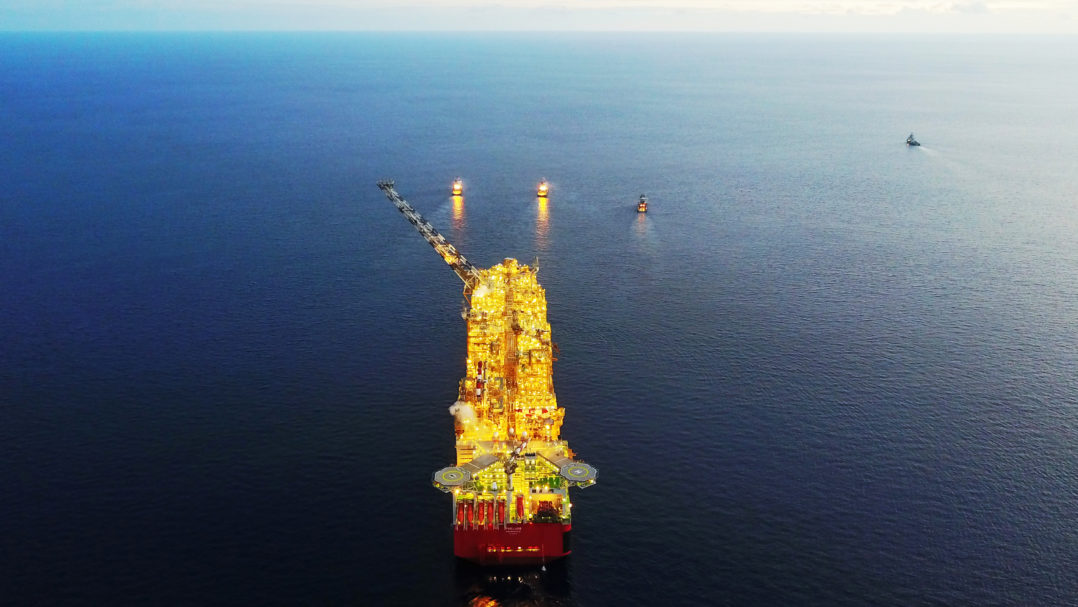
Shell has won approval from NOPSEMA to drill the Bratwurst-1 exploration well in AC/P64 offshore Western Australia. The original plan was submitted by Shell in January this year for a well which is located within the Northern Browse Basin in Commonwealth Waters in water depths of approximately 155 meters. The plan was officially approved by NOPSEMA on May 15. Shell will target gas/condensate and has plans to deploy a semi-submersible rig for the operation.
CGG Begins First Multi-Client Ocean Bottom Node Survey in Mississippi Canyon, Gulf of Mexico
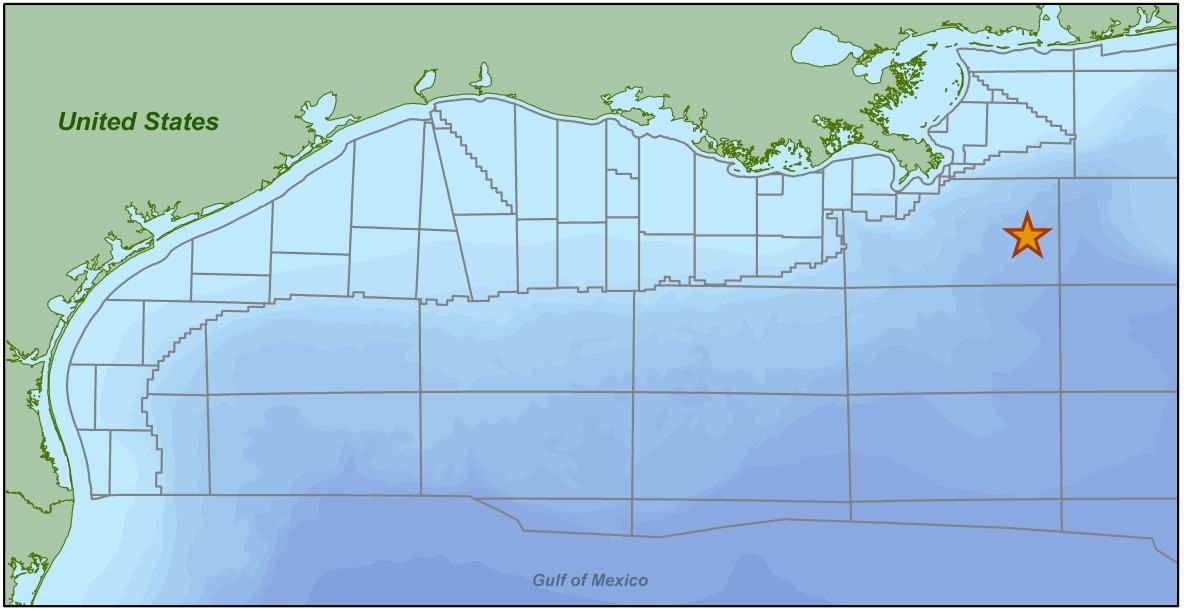
CGG has announced commencement of its first multi-client ocean bottom node (OBN) survey, taking CGG’s offshore data library to the “next level of excellence”. Located in the north-central region of the Gulf of Mexico, this dense OBN survey will provide well-sampled, full azimuthal coverage with long offsets, to deliver exceptional data for imaging the geologically complex structures in Mississippi Canyon, CGG said. Acquisition services are being provided by Seabed Geosolutions and the data will be processed by CGG Geoscience’s Subsurface Imaging in Houston.