
INDIA’s Oil & Natural Gas Corporation (ONGC) has surfaced as the star oil and gas performer at the Bentley Be Inspired Awards Ceremony in London, scooping the Innovation in Offshore award for enterprising software and performance modelling that enabled the production and exploration company to extend the lifecycle of its critically ageing assets.
Company Updates

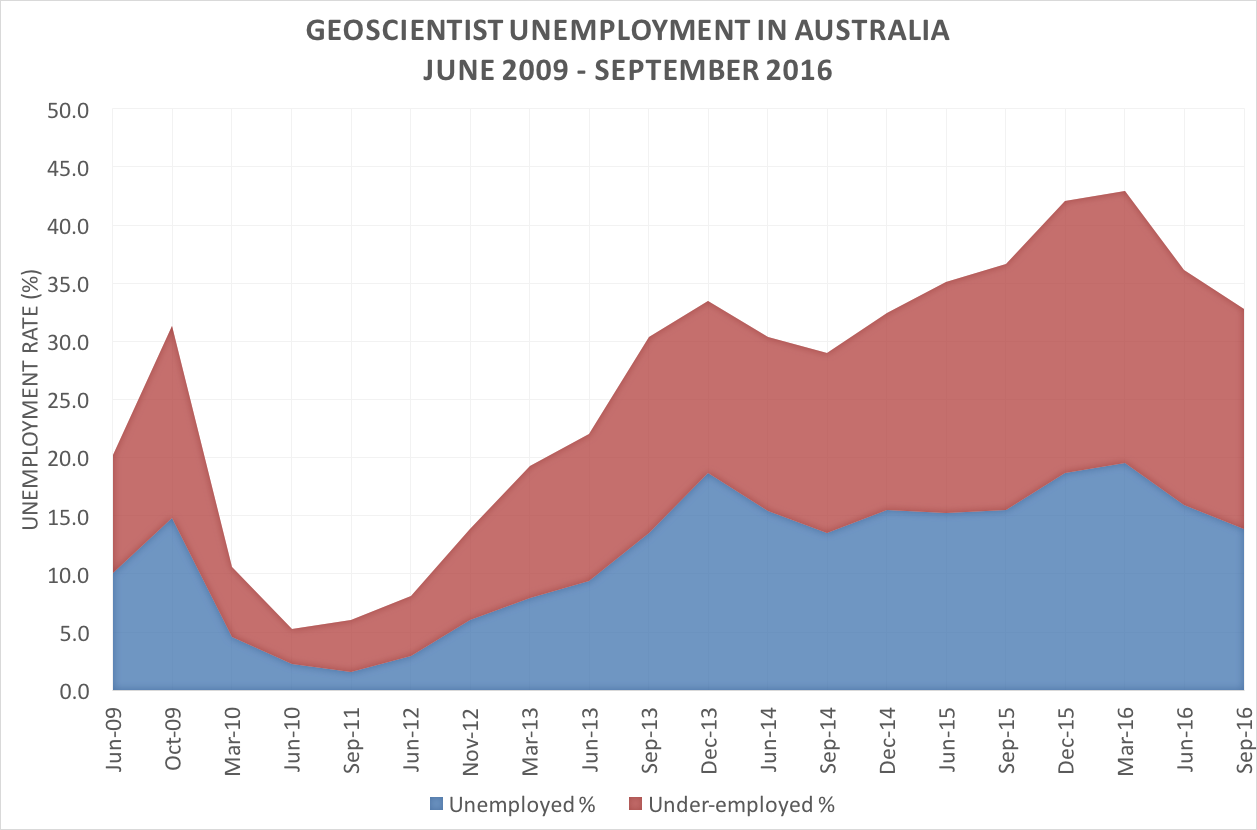
Geo job prospects begin to brighten
Employment prospects for Australian geoscientists continue to improve, albeit slowly Employment prospects for Australia’s professional geoscientists continued to improve gradually in the three months between 30th June and 30th September 2016. The picture emerged in results of the latest quarterly survey by the Australian Institute of Geoscientists (AIG) in which respondents provided information about their employment prospects during the September quarter of 2016. At 30th September 2016, the unemployment rate amongst Australian geoscientists was 13.9% and the under-employment rate was 18.9%. The unemployment rate fell 2%, from 15.
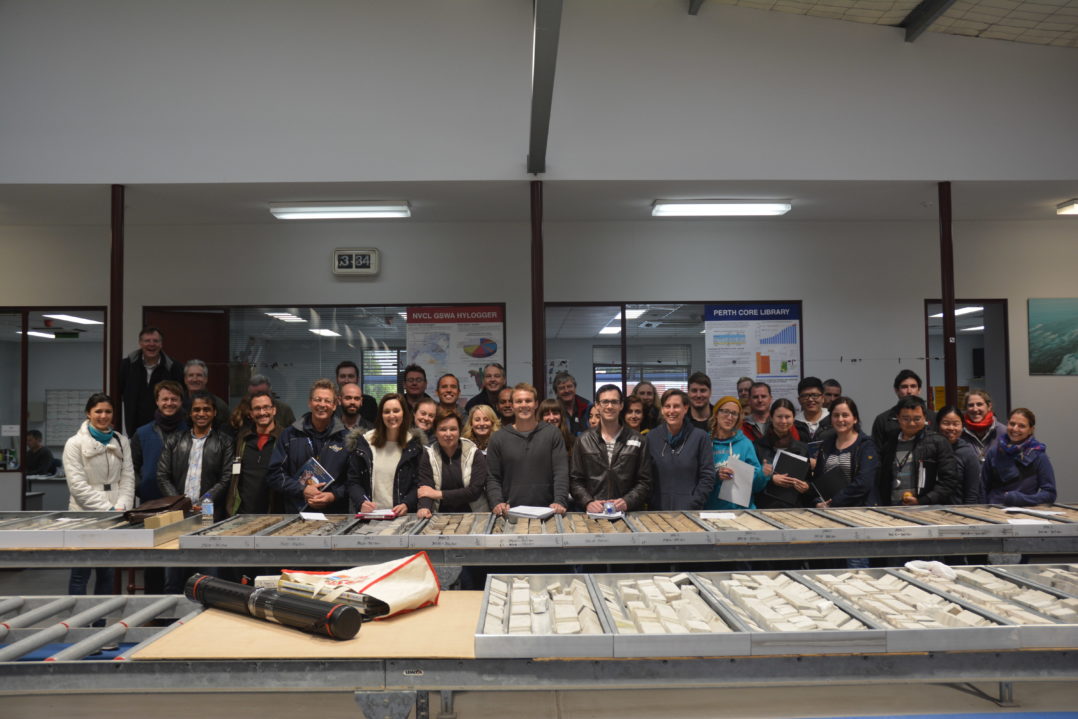
WA workshop gets to the Core of the matter
[caption id="attachment_50789" align="alignnone" width="200"] Tidal deposits, the red bar corresponds to one lunar cycle.[/caption] THE WA Branch dug to the Core with a popular and well received annual workshop which took place at the Department of Mining and Petroleum’s Core Library in Perth. The two-day workshop, conducted on September 29-30, was presented by Robert Seggie (Woodside), Dr. Simon Lang (Chevron), Bruce Ainsworth (Chevron), Prof. Peter McCab (University of Adelaide) and Dr. Amely Allgoewe (MGPalaeo). A total of 38 people had registered to follow the course, comprising a majority of geologists and geophysicists, and a few reservoir engineers.
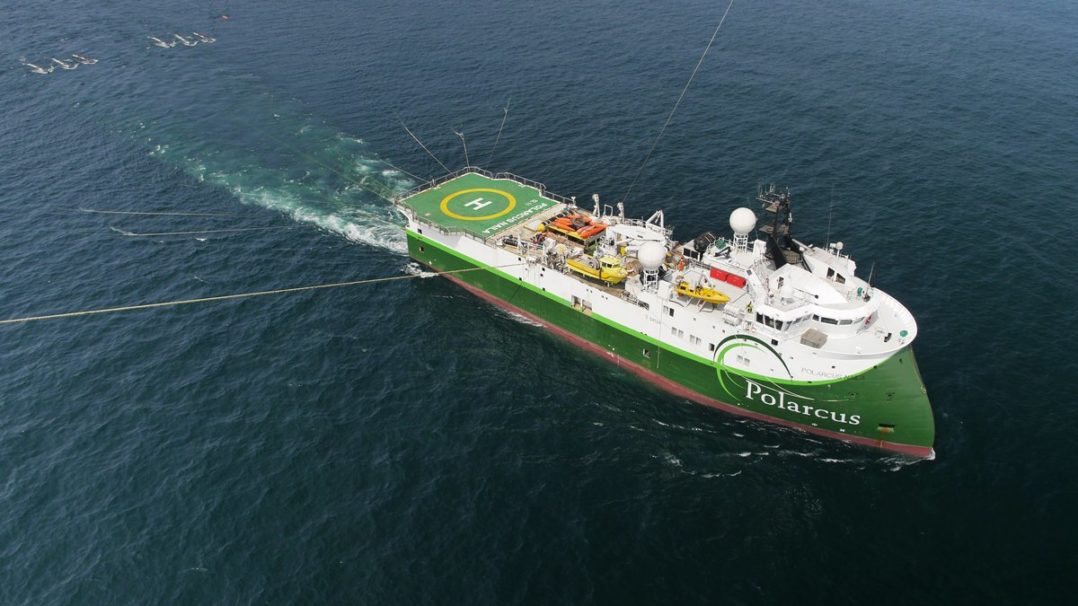
Polarcus announces broadband 3D project in Australia
Marine seismic acquisition company Polarcus has announced that it received a letter of award for a 3D marine seismic acquisition project offshore Australia. The company revealed that to deliver the broadband dataset it will be utilizing its XArray acquisition technique - developed to deliver high quality data optimizing larger streamer spreads and which the company claims improves in-line shots by 100-250% and cross-line bin density as much as 400% on any streamer separation. It can be set up to provide higher fold data, increase crossline sampling and improve acquisition efficiency.
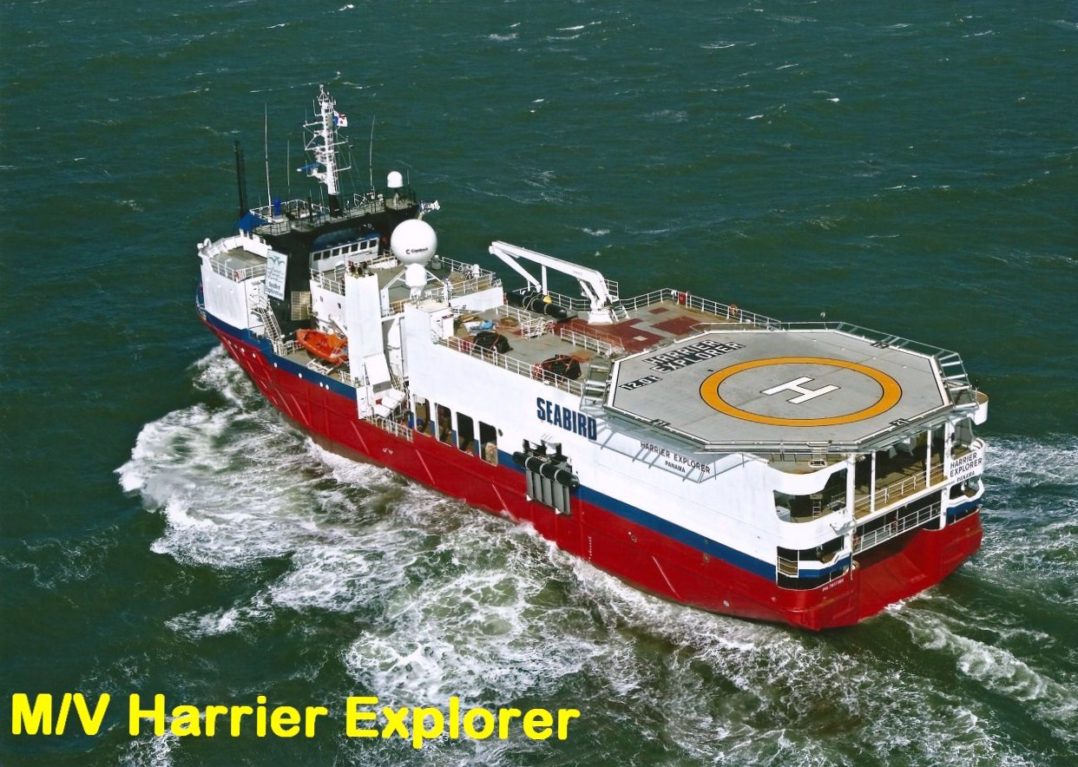
2D long offset multi-client survey in Barents Sea
SeaBird Exploration has announced that the company will acquire a long offset 2D multi-client survey in the Barents Sea. SeaBird and Lundin Norway have jointly designed this survey of deep seismic profiles to be acquired in the Barents Sea during September-October 2016. The survey objective is to acquire long-offset profiles that image large scale deep seated crustal structures beneath the Norwegian Barents Sea. Lundin Norway will be supervising the processing of this unique dataset. Seabird said in a statement that the program is fully supported with industry funding and SeaBird will be using the Harrier Explorer for the work.
UKOG awards seismic reprocessing contract
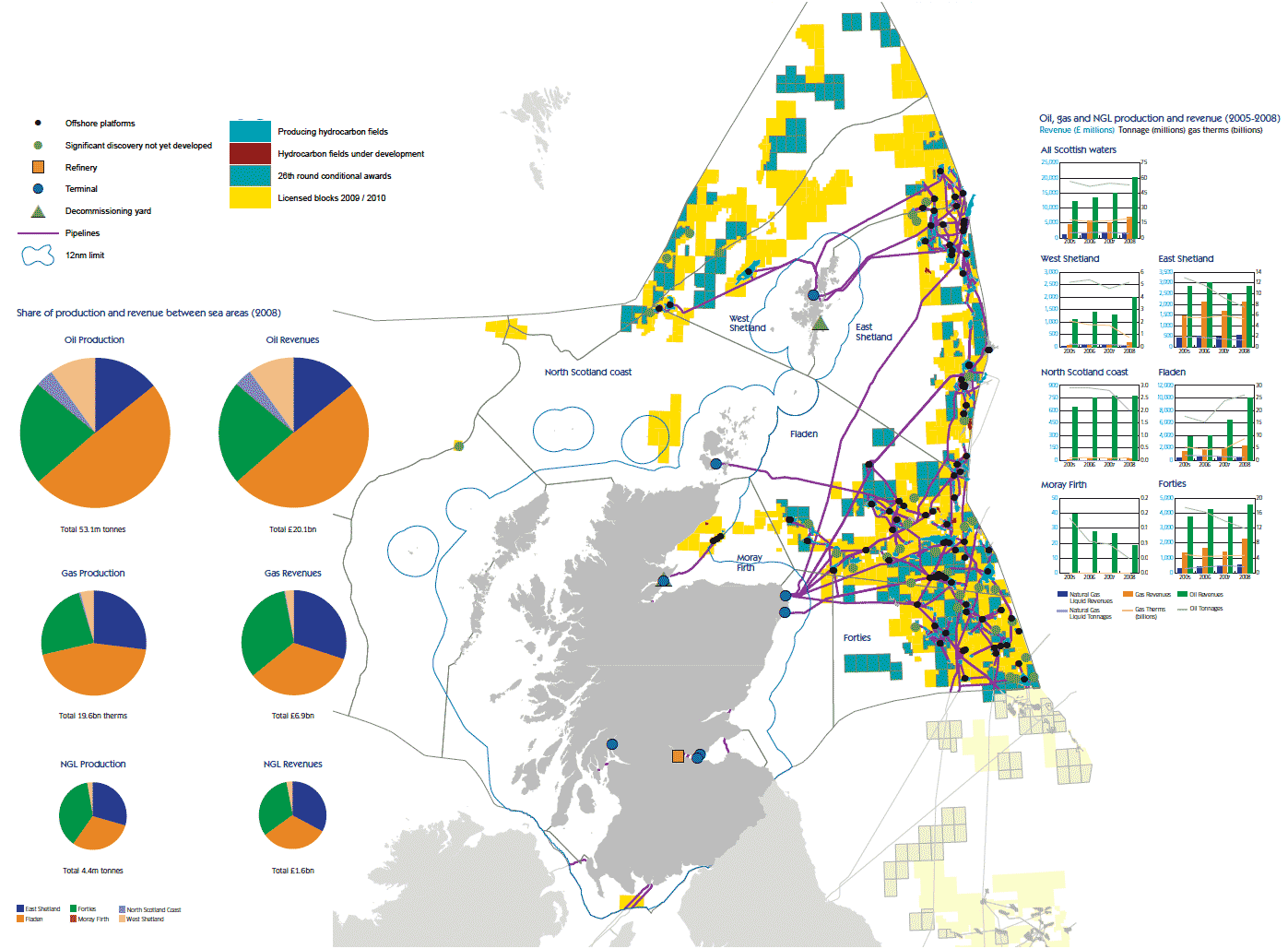
Schlumberger, WesternGeco and DownUnder Geosolutions, in collaboration with GeoPartners Ltd, have been jointly awarded two contracts worth $4.5 million for 15,000km of reprocessed multi-client 2D seismic data in six areas around the UK Continental Shelf (UKCS). The areas to be surveyed include the Southwest Approaches, Northern Approaches and Bristol Channel, Cardigan Bay and the Celtic Sea, Morecambe Bay and East Irish Sea, the East Shetland Platform and North Western Britain, encompassing the Minches and the Firth of Clyde.

TopSeis, solution for imaging shallow reservoirs, launched
CGG has announced the launch of TopSeis™, touted by the company as the “latest evolution in offshore broadband seismic, specifically designed to overcome the intrinsic lack of near offsets inherent in 3D towed-streamer seismic”. CGG said that, exacerbated by the use of progressively wider spreads to meet the industry’s quest for greater efficiency, the lack of near offsets leads to an inability to image shallow geological features, such as faults, gas pockets, channels and stratigraphic pinch-outs, effectively.
Past reflects promise of exciting exploration future
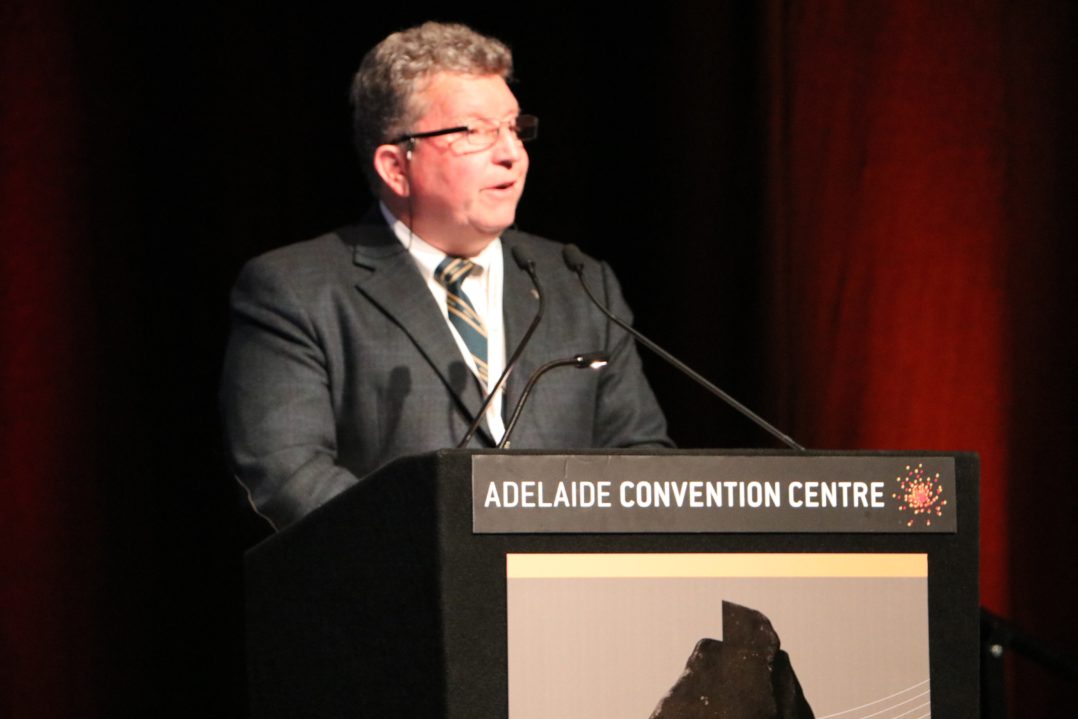
PESA President Steve Mackie drew on the archives of exploration history in Australia to strike a note of optimism in sobering times at the opening of the ASEG-PESA-AIG Conference in Adelaide. Addressing delegates at the opening of the 25th conference at the Adelaide Convention Centre, Dr Mackie said the event theme, Interpreting the Past, Understanding the Future, was appropriate when it came to reflecting previous legacies of discoveries in Australia.

MEO sets spud target date for Cuba
MEO Australia is targeting early 2017 as a spud date for Cuba’s Block 9, taking its cue from Canada’s Sherritt International’s identifications in adjacent Bock 10, as it ponders a high impact exploration well in New Zealand and seeks to complete farm out processes in Australia. The Melbourne-based explorer said following assessment of the Lower Sheet play, continuing assessment of the remaining two plays, the Upper Sheet and Shallow Tertiary plays, was progressing as planned. Preliminary assessment was expected to be completed in the fourth quarter.
BP wins deadlines extension for big Bight plan
NOPSEMA has granted BP an extension to lodge a third and final environmental plan to drill the Stromlo-1 well in the Great Australian Bight. The submission is now expected to be lodged by August 31 and BP now faces a race against time to begin drilling the Stromlo-1 well in the calmer seas of summer following assessment of the supermajor’s game plan and safeguards by the offshore regulator.