
The Oil and Gas Authority (OGA) has launched the 31st Offshore Licensing Round, offering blocks in frontier areas of the UK Continental Shelf (UKCS), supported by government-funded data to stimulate interest in these under-explored basins and assist companies in their activities. A total of 1766 blocks (370,000 km2) of open acreage is now available across the West of Scotland, the East Shetland Platform, the Mid North Sea High, South West Britain and parts of the English Channel, covered by over 80,000 km of high-quality, publicly-available seismic data generated through the 2015 and 2016 Government seismic programmes.
Dale
Cliff Head reveals a potential 29-million barrel bounty
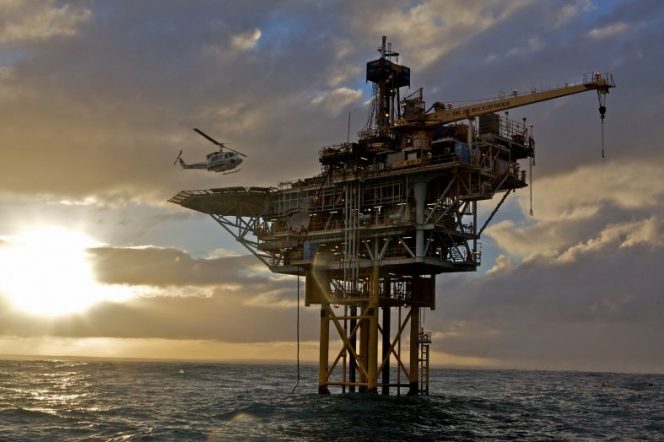
Perth-based Triangle Energy has announced that a recently completed static model has unveiled a prospective resource estimate of up to 29 million barrels of oil at its Cliff Head field in the Perth Basin. This represents an 80% increase over previous estimates of 15.7MMbbl in a discovery located 10km offshore in depths of 15-20 metres. The ASX-listed junior explorer said the “near field” prospects are located in close proximity to Cliff Head’s discovered, producing reservoirs where future potential development was well positioned to take advantage of existing pipelines and infrastructure.
USA flags 78 million acres for offshore exploration
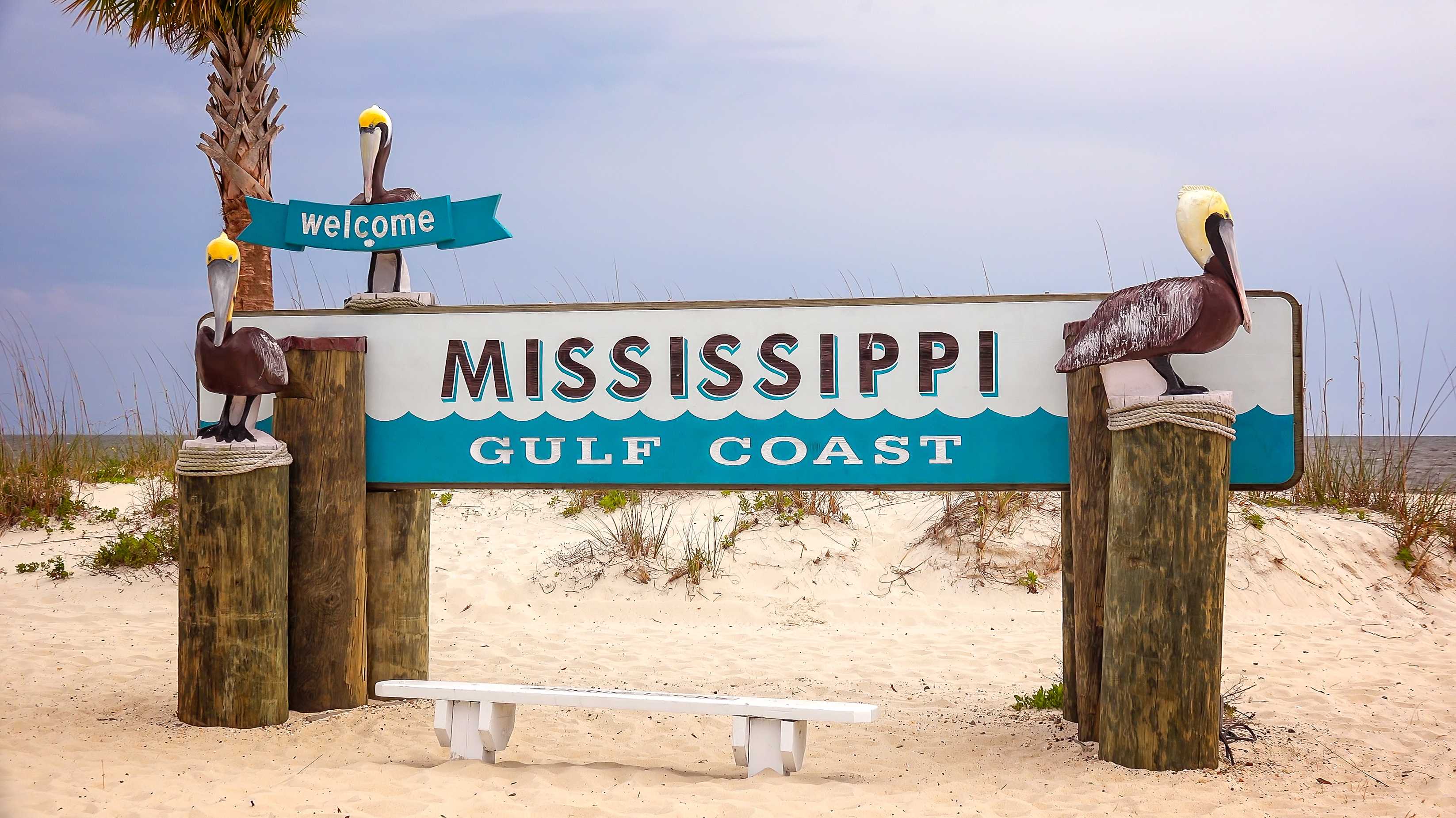
The US Bureau of Ocean Energy Management (BOEM) has put approximately 78 million acres offshore Texas, Louisiana, Mississippi, Alabama and Florida up for offer for oil and gas exploration and development. BOEM said acreage offer was in support of President Donald Trump's America-First Offshore Energy Strategy and the region-wide lease sale, scheduled for Aug. 15, 2018, includes all available unleased areas in federal waters of the Gulf of Mexico. “Responsibly developing our offshore energy resources is a major pillar of this Administration’s energy strategy,” said Deputy Secretary of the Interior, David Bernhardt.
First production from large Alaskan discoveries hamstrung by lack of infrastructure
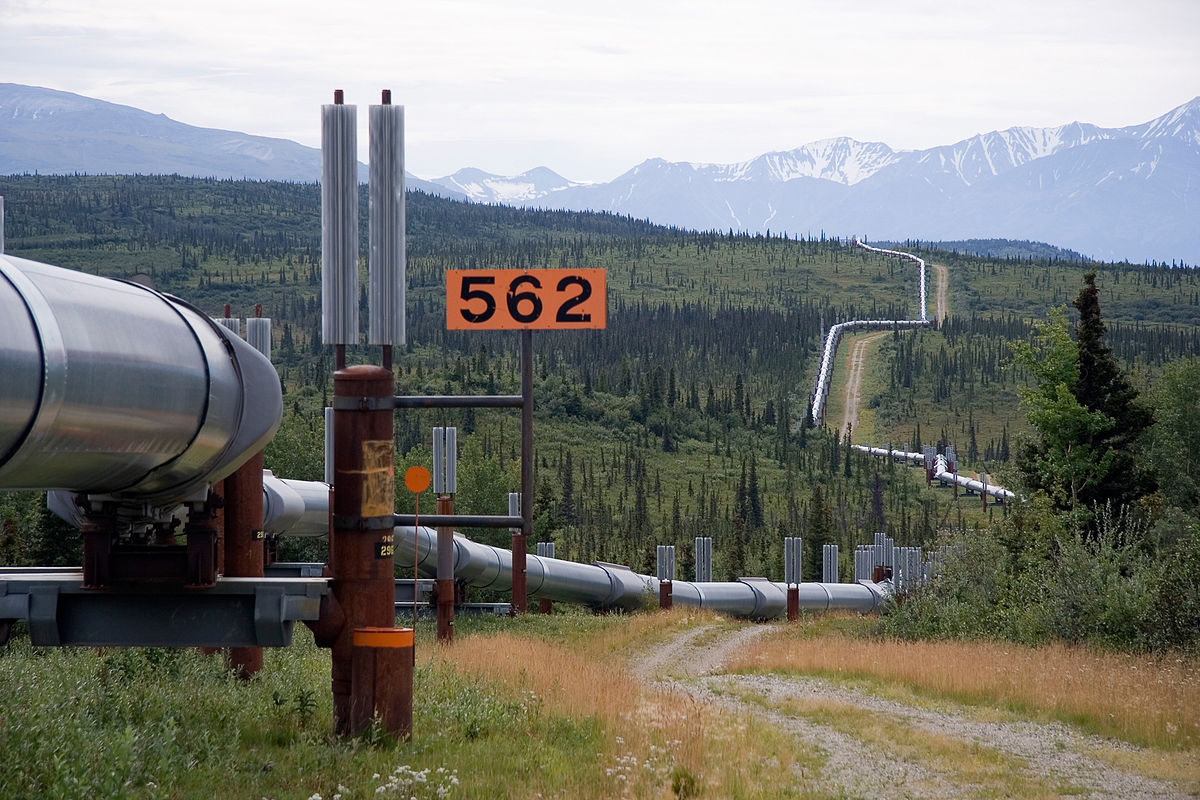
Since 2015 a few major oil discoveries were announced on the North Slope Alaska basin that together could add at their peak approximately 450 thousand barrels per day (mbd) to the Trans Alaska Pipeline System (TAPS), says GlobalData, a leading data and analytics company. These include Smith Bay, Horseshoe, Pikka, Willow and Liberty oil discoveries. In the short term, boosting the volume of oil transported through the TAPS depends greatly on the fields located within the National Petroleum Reserve-Alaska (NPR-A). Currently, around 544 thousand barrels of oil flows daily through the TAPS.
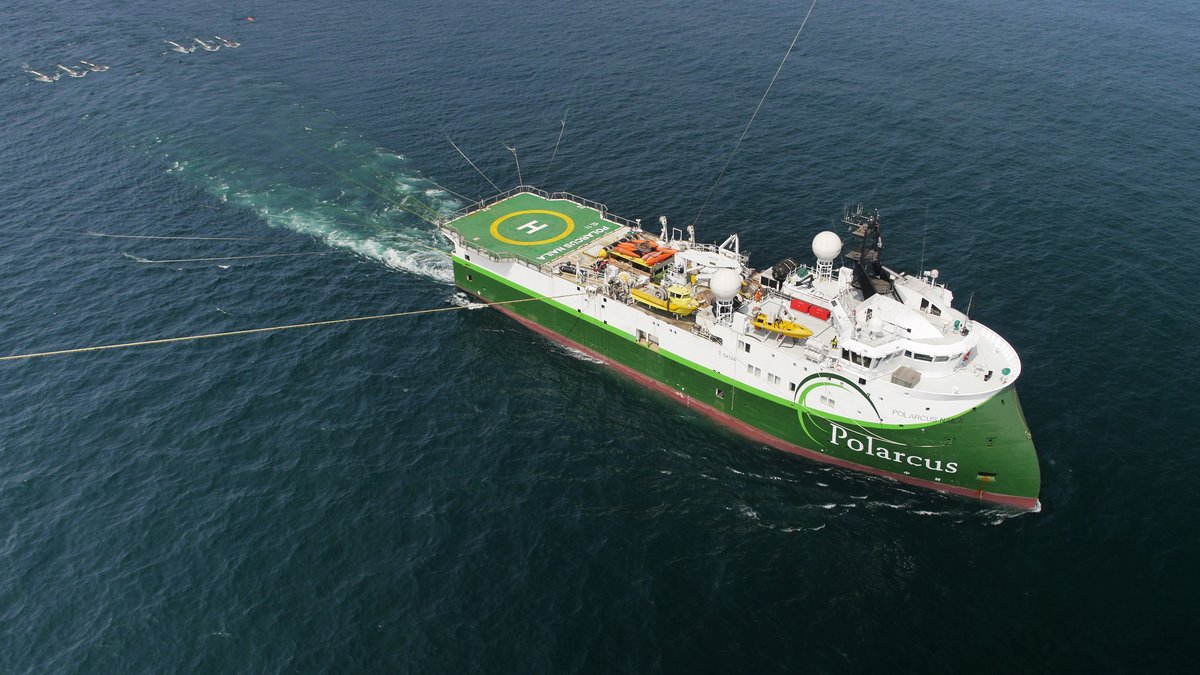
Polarcus divests Capreolus multi-client asset
Polarcus has sold its Capreolus 3D survey offshore Australia. Polarcus said the 22,130sq km Capreolus 3D survey was sold by a company subsidiary in return for a cash consideration of US$6.5 million. Polarcus said the transaction would result in a non-cash gain of approximately $4.9 million and is subject to the execution of ancillary agreements with a target closing date on or before July 31, 2018. Last month Polarcus was awarded an XArray 3D marine seismic acquisition project in northwest Europe. The company said the start of the two-month project was imminent.
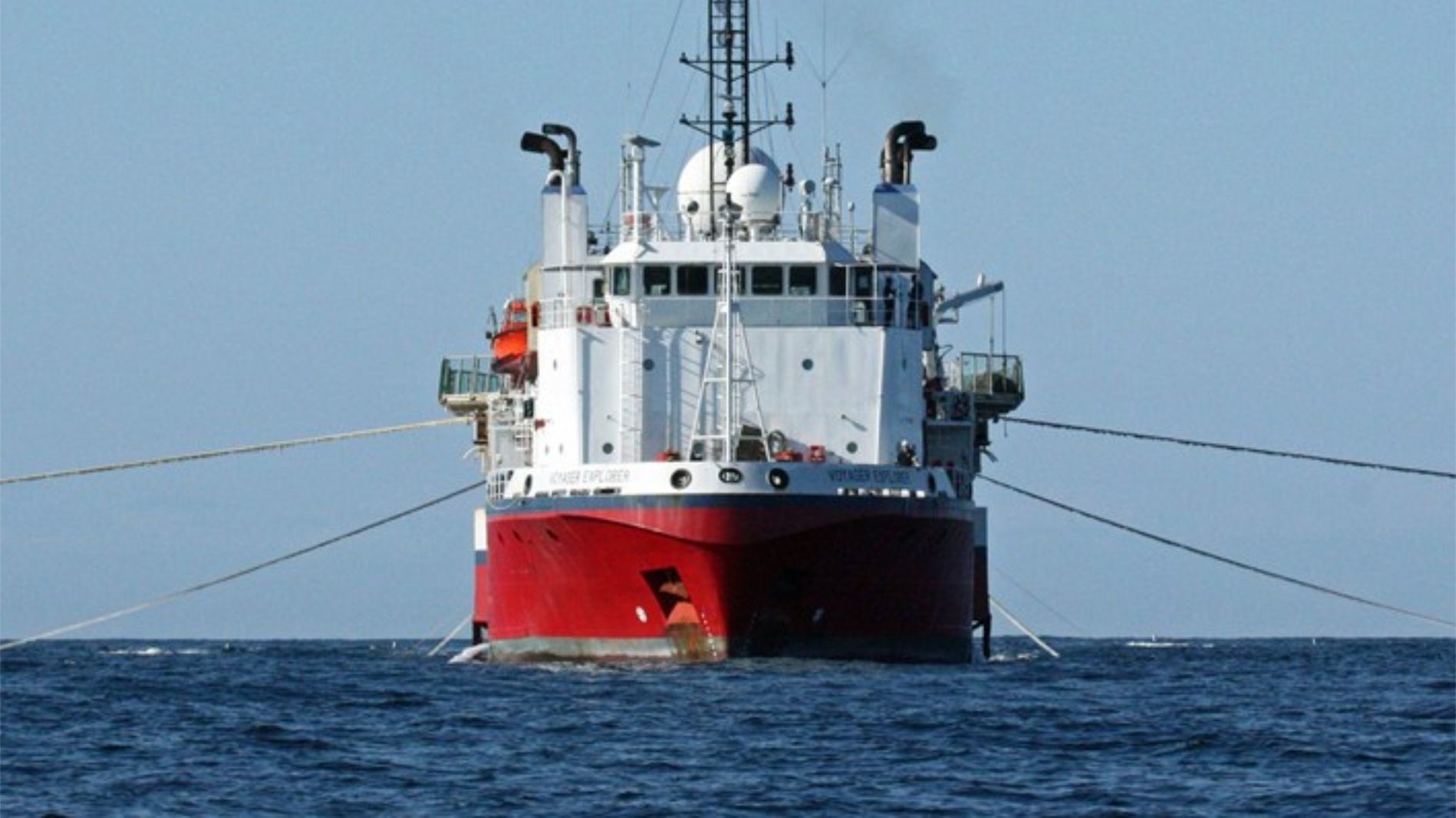
Seabird set for seismic work in Norway and Asia Pacific
SeaBird Exploration has announced a partnership deal with MultiClient Geophysical to conduct a 6000km multi-client 2D Deep Imaging Campaign on the Norwegian Continental Shelf. The company said the acquiring vessel will tow a single 12,000-meter streamer with a powerful source to image the oceanic and continental crust, for new conceptual geological understanding and improved interpretation of large-scale tectonics. “This leads to an enhanced understanding of the regional geology and may reveal new play models. Harrier Explorer will be used for the project, which is estimated to have a duration of approximately two months,” SeaBird said.
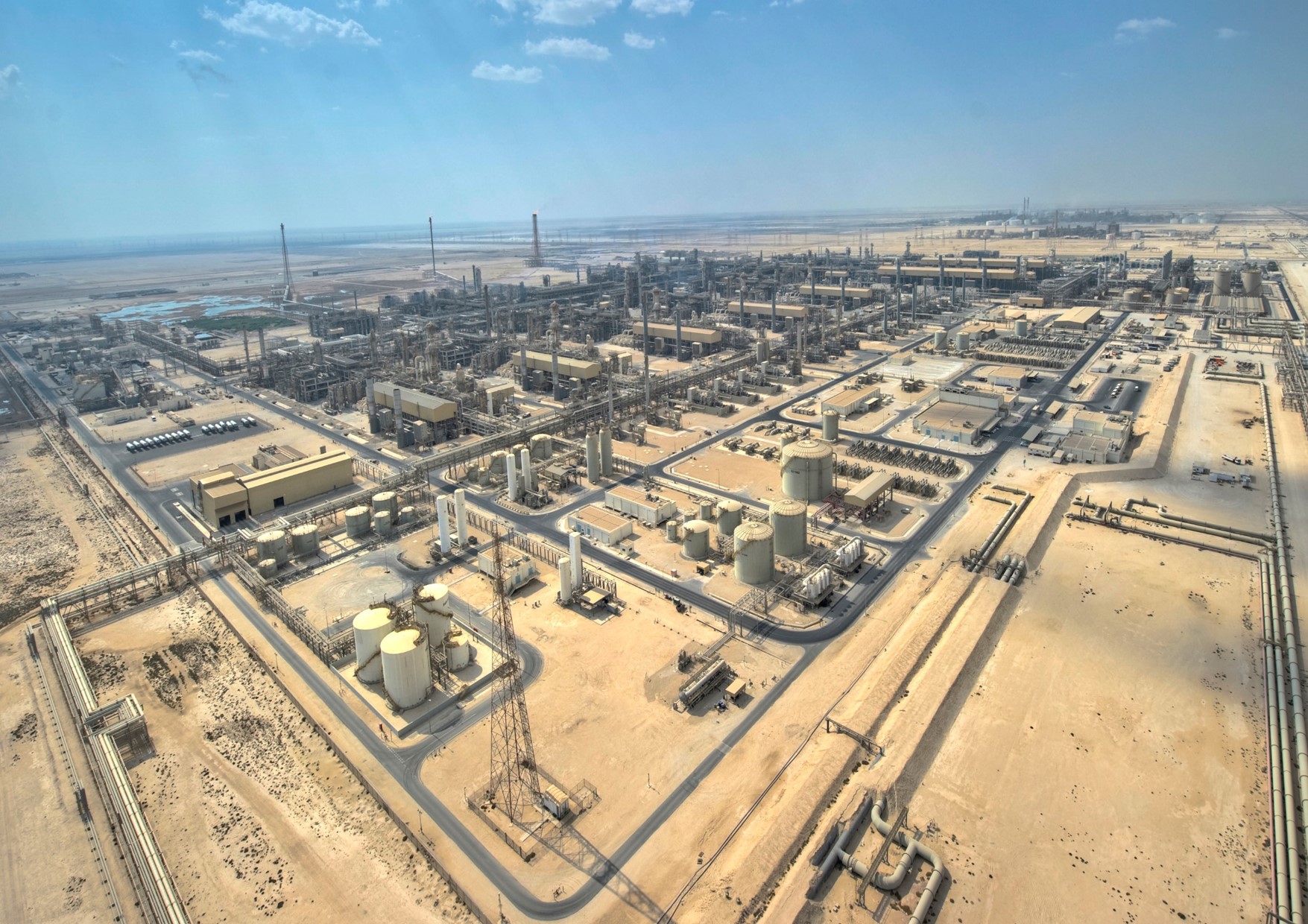
‘Qatar to maintain LNG dominance despite regional embargo’
In 2017, Qatar produced 18.1 billion cubic feet of natural gas per day (bcfd). Almost all natural gas comes from various developments on the North Field, which is considered the largest non-associated gas structure in the world. The field has a combined processing and export capacity of 77.4 million tons per annum (mtpa) of liquefied natural gas (LNG), according to data and analytics company, GlobalData. The Qatargas and Rasgas projects are the largest contributors to production on the field and are joint ventures between Qatargas and various major international oil and gas companies, such as ExxonMobil and Total.
Cooper’s Sole-3 gas well exceeds requirements ahead of production
Cooper Energy has announced that Sole-3, the first of two production wells for the Sole Gas Project located offshore Victoria, is being shut-in for future connection after successful performance of clean-up and flow back operations. Cooper, operator with a 100% interest in the Sole-3 well, located in VIC/L32, said the clean-up and flow back test was conducted on the near-horizontal 97 meter completed section of the Top Latrobe Group sandstone reservoir over a 26-hour period. Analysis of the test data has confirmed that well performance and reservoir deliverability are consistent with pre-drill expectations, Cooper said on Friday.
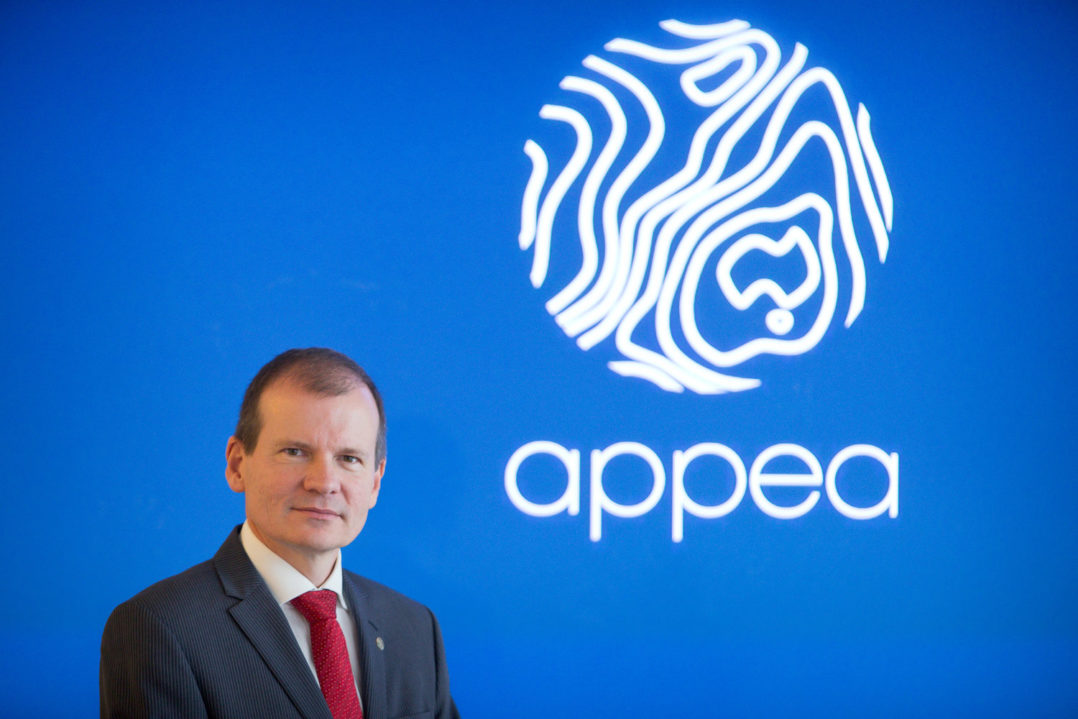
APPEA calls out fake news on Australian wholesale gas prices
The latest international survey of wholesale gas prices confirms that Australian prices are amongst the lowest in the Asia region, according to the Association of Petroleum Production and Exploration Association (APPEA). This follows the International Gas Union’s Wholesale Gas Price Survey 2018 revealing that the average wholesale gas price in Australia last year ($US4.62/MMBTU[1]) was about 40 per cent less than the average wholesale price for the Asia‑Pacific region and around one-third less than the average wholesale price in Asia. Australia’s leading trade partners Japan, South Korea and China all paid average wholesale gas prices between $US7 and over $US8/MMBTU.
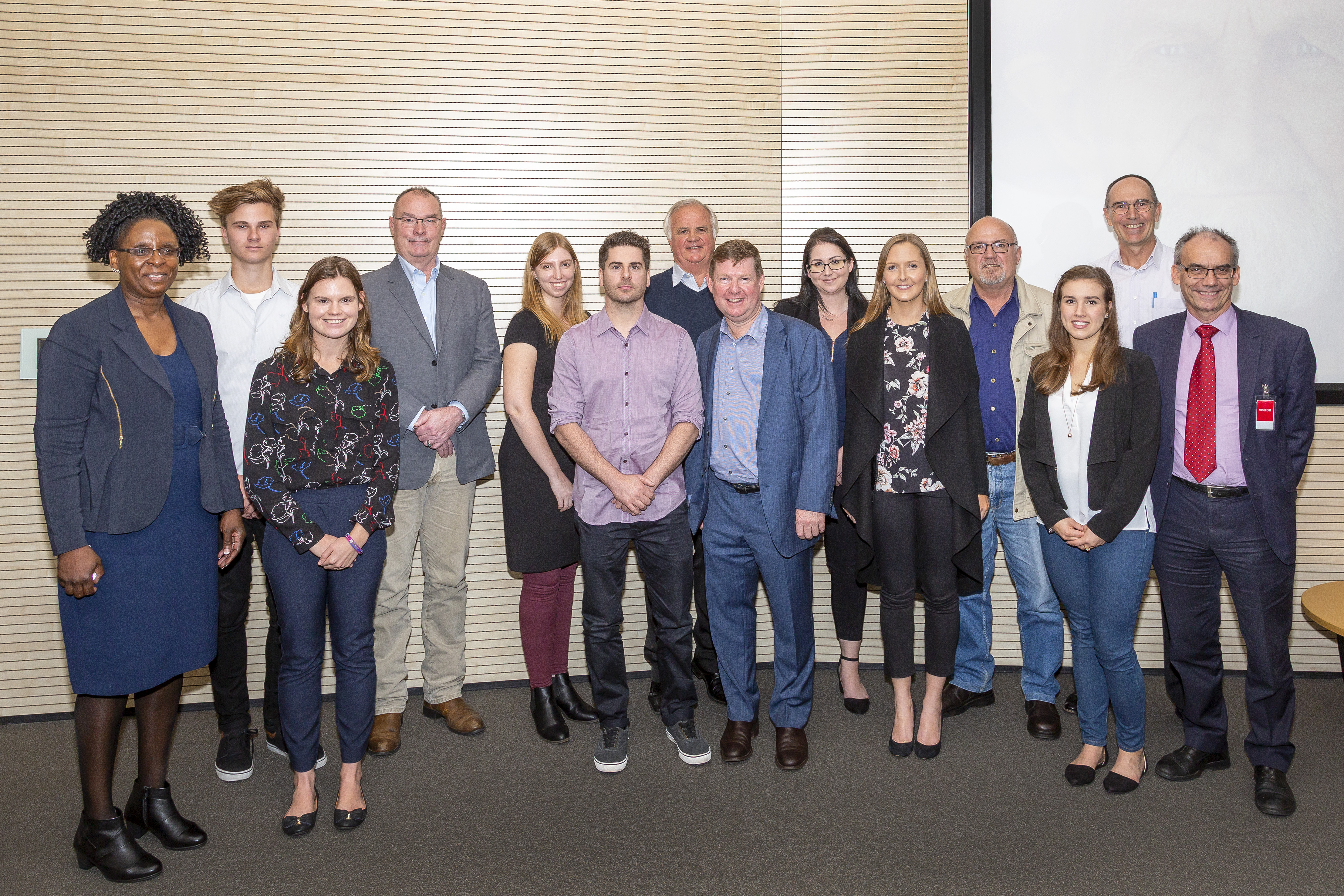
Future environmental leaders receive scholarships from Harry Butler Institute
Six future environmental custodians have earned a unique opportunity to protect the wilderness with their Honours studies at Murdoch University. Ebony Cowan, Kyle Stewart, Lauren Peck, Monique Stafford-Smith, Megan Evans and Nicholas Watson received scholarships from the Harry Butler Institute, a research partnership between Murdoch University and global energy producer Chevron, to ensure the co-existence of biodiversity with business and community at different locations in Western Australia.