

• Member Login
  • |
  • Join Now
PESA - Energy Geoscience

Promoting Professional and Technical Excellence in Energy Geoscience – Networking, On-going Professional Education, Monthly Technical Meetings

  • Home
  • About
    • About PESA
    • Objectives
    • PESA History
    • PESA Affiliates
    • Constitution and Rules
    • Strategic Plan
  • Events
    • Online
    • NSW / ACT
    • QLD
    • SA / NT
    • VIC / TAS
    • WA
    • Industry
    • Social
    • Past Events
  • Membership
    • Join Us
    • APPEA Conference Discounts
    • AEGC 2025 Travel Bursaries
    • PESA Membership Awards
  • Latest News
    • All News
    • Feature Articles
    • Industry
    • Company Updates
    • Tech Talk (public)
    • PESA Branch Activities
  • Library
    • Technical Library
    • PESA Gazette
    • Webinars
    • PESA News Magazine
    • Knowledgette Recordings
  • Scholarships
  • Employment
    • View Job Opportunities
    • Submit Job
  • Contact

The Potential Role of Gas for Electricity Generation in New South Wales

11/12/1993 by Sharperedge

The Potential Role of Gas for Electricity Generation in New South Wales


Download Section

Please log in to download this file.

Alternatively, you can search for this item and individually purchase it from the PESA collection at AAPG DataPages

PESA collection at AAPG DataPages

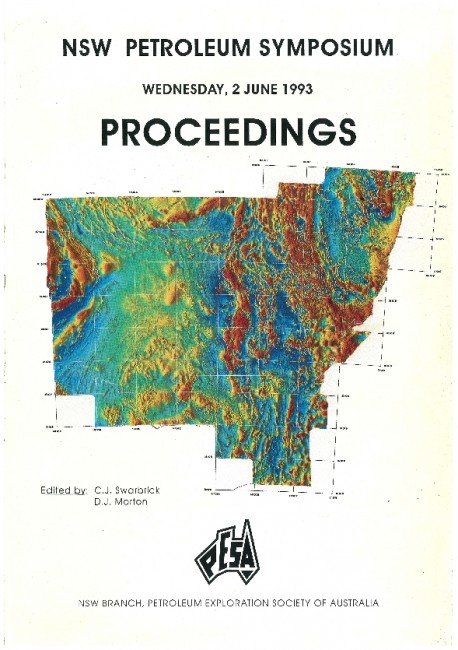
Publication Name: New Petroleum Symposium 1993

Authors: Lindsay Oates

Date Published: December 1993

Number of Pages: 13

Reference Type: Magazine Article

Abstract:

The role of gas for electricity generation has been significantly enhanced in recent years through advances in gas turbine technology. Gas turbines are larger and more efficient and this has resulted in improved economics of gas turbine generation, particularly for combined cycle plants for base load generation.
Pacific Power has been evaluating the potential of gas fired generation since natural gas became available in New South Wales. Pacific Power forecasts for future generating requirements in New South Wales indicate that up to lOOOMW of peaking/reserve duty gas turbines are likely to be required from around 2000 onwards under a high load growth scenario. These gas turbines would operate infrequently and would use around 5PJ/year of
fuel which could be gas, LPG, methanol or distillate.
New baseload capacity to meet the New South Wales needs is likely to be required from around 2005 or later and gas fired combined cycle plant could be a competitor for this supply. A lOOOMW combined cycle plant would require 50PJ/year of gas.
The National Grid Protocol for sourcing new capacity will alter the traditional method of sourcing new generation capacity on a state by state basis. No longer will the new electricity requirements of a state be necessarily met from new generation plant constructed in that state. Further, new capacity requirements will be sourced on a competitive basis.
In the short to medium term the use of gas for co-generation is the most likely market opportunity for gas. In the longer term, the successful commercialisation of fuel cells could further enhance the role of gas in electricity generation.
The role of gas for electricity generation will ultimately be determined by the competitive sourcing process.

Tags: Electricity gas Generation potential Role

PESA - Energy Geoscience

PESA Energy Geoscience is a non-profit association of individuals involved in the exploration of oil and gas.

Connect with us

Subscribe to our newsletter and stay on the loop of what is happening in the field of Energy Geoscience and events near you.

pesa newsletter
* indicates required

PESA Energy Geoscience will use the information you provide on this form to be in touch with you and to provide updates and marketing. Please confirm you give us permission to contact you via your email address:

You can change your mind at any time by clicking the unsubscribe link in the footer of any email you receive from us. We will treat your information with respect. For more information about our privacy practices please visit our website. By clicking below, you agree that we may process your information in accordance with these terms.

We use Mailchimp as our marketing platform. By clicking below to subscribe, you acknowledge that your information will be transferred to Mailchimp for processing. Learn more about Mailchimp's privacy practices.

Copyright © 2025 PESA - Energy Geoscience. All Rights Reserved.

  • Advertise
  • Contact
  • Policies
  • Privacy
  • Terms & Conditions